
Quick answer. Buying affiliate software is a setup task; using it is a weekly routine. For a small business the routine is short — recruit, support, review, pay — and the businesses that keep it are the ones whose programmes survive past the second quarter.
Independent analysis. This page may contain affiliate links.
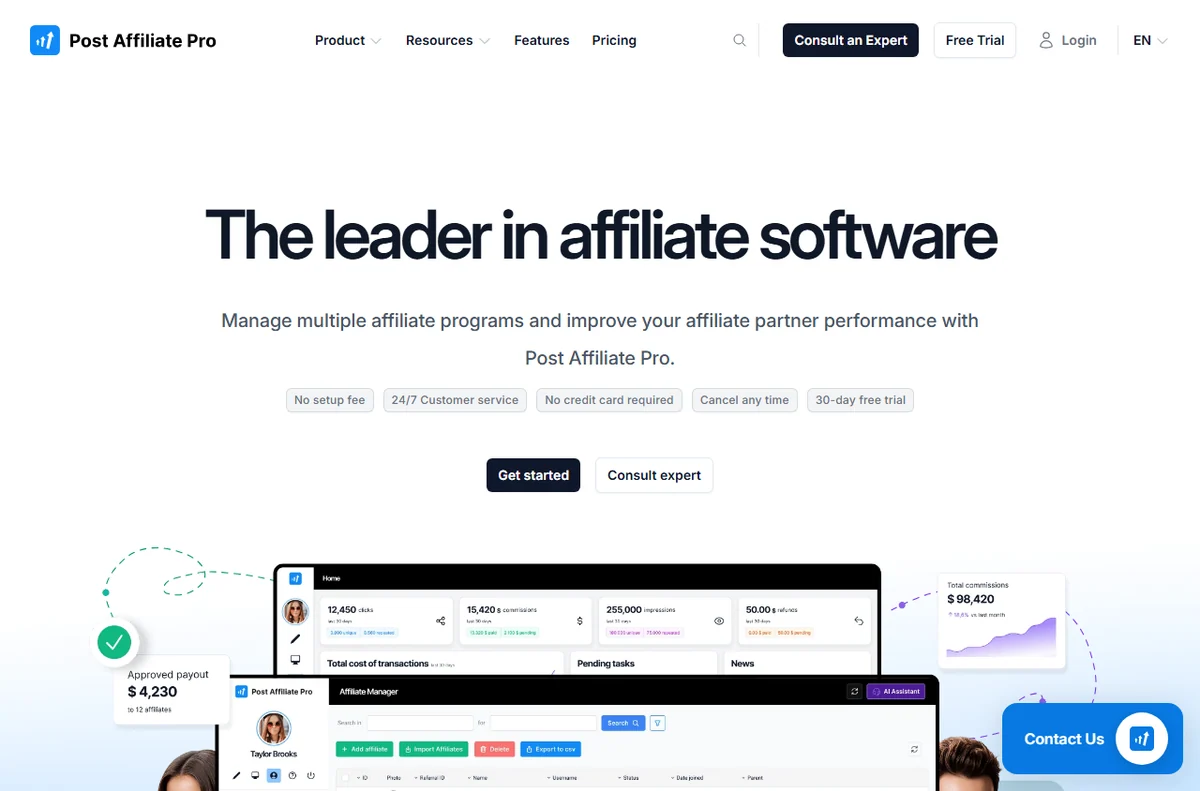
Recruit deliberately
The best first affiliates are usually customers who already recommend you, not professional marketers. Identify five people who send you business informally, offer them a link and a clear rate, and help them share it. A programme with five active advocates outperforms one with a hundred dormant accounts, and it is far easier to support with a small team.
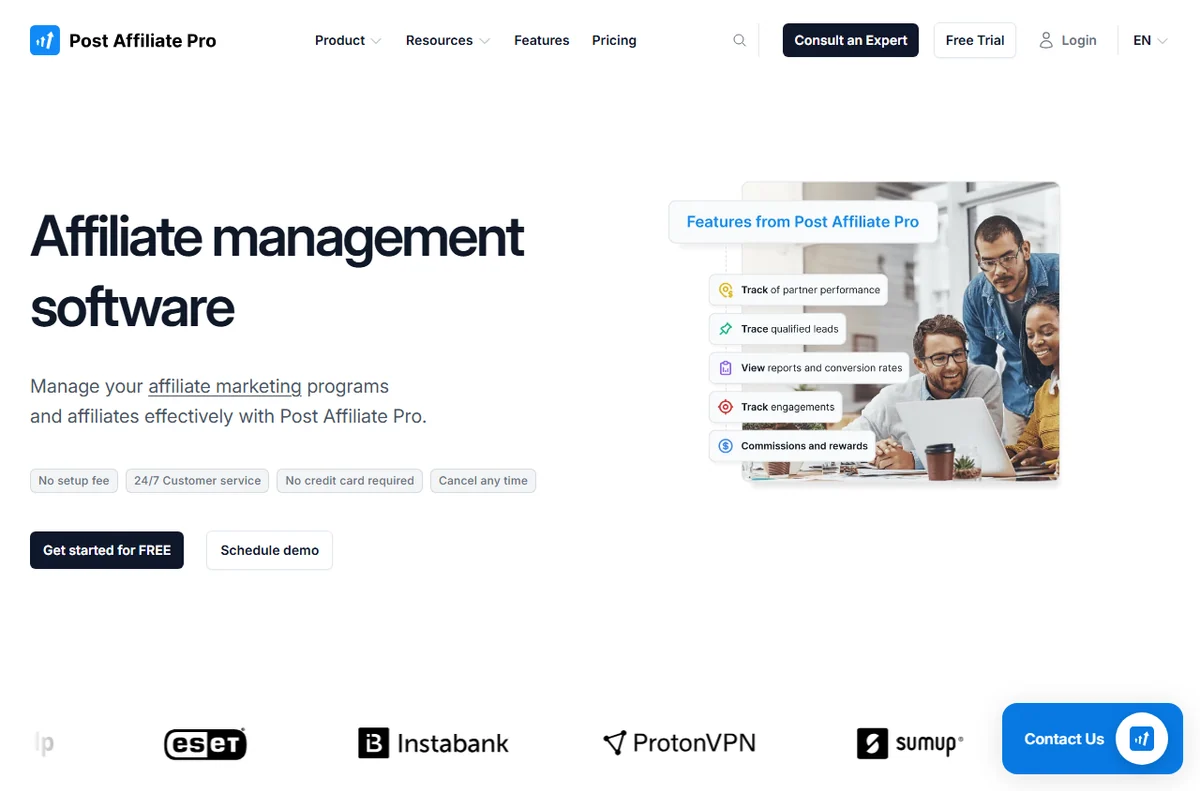
Support in one place
Give partners a single contact address and answer within a working day. Keep a short FAQ covering links, cookies, payout timing and refunds, and paste from it rather than writing fresh answers each time. Most partner frustration is not about the rate; it is about not knowing what happens next.
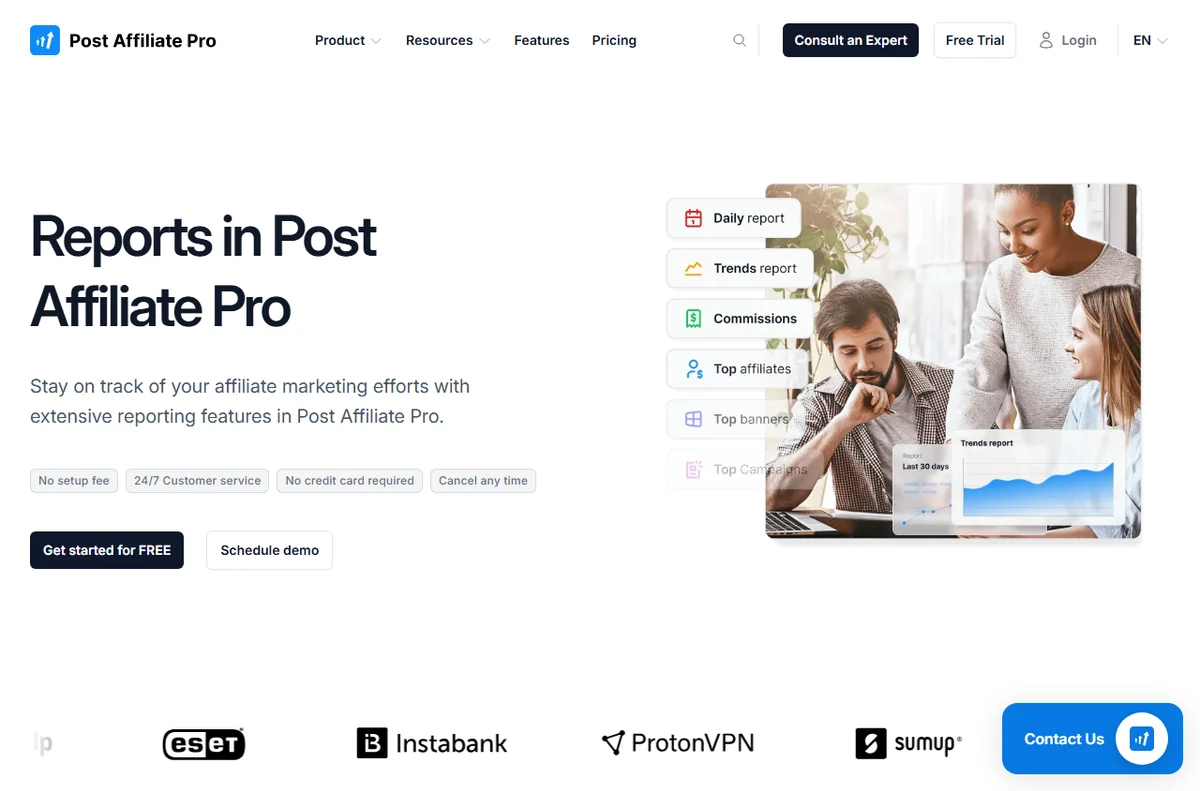
Review monthly, in fifteen minutes
Once a month, look at three things: which partners produced, which links were clicked but did not convert, and what commission is pending. The second item is the useful one — a partner sending traffic that never buys is either mismatched or misinformed, and both are fixable with a conversation.
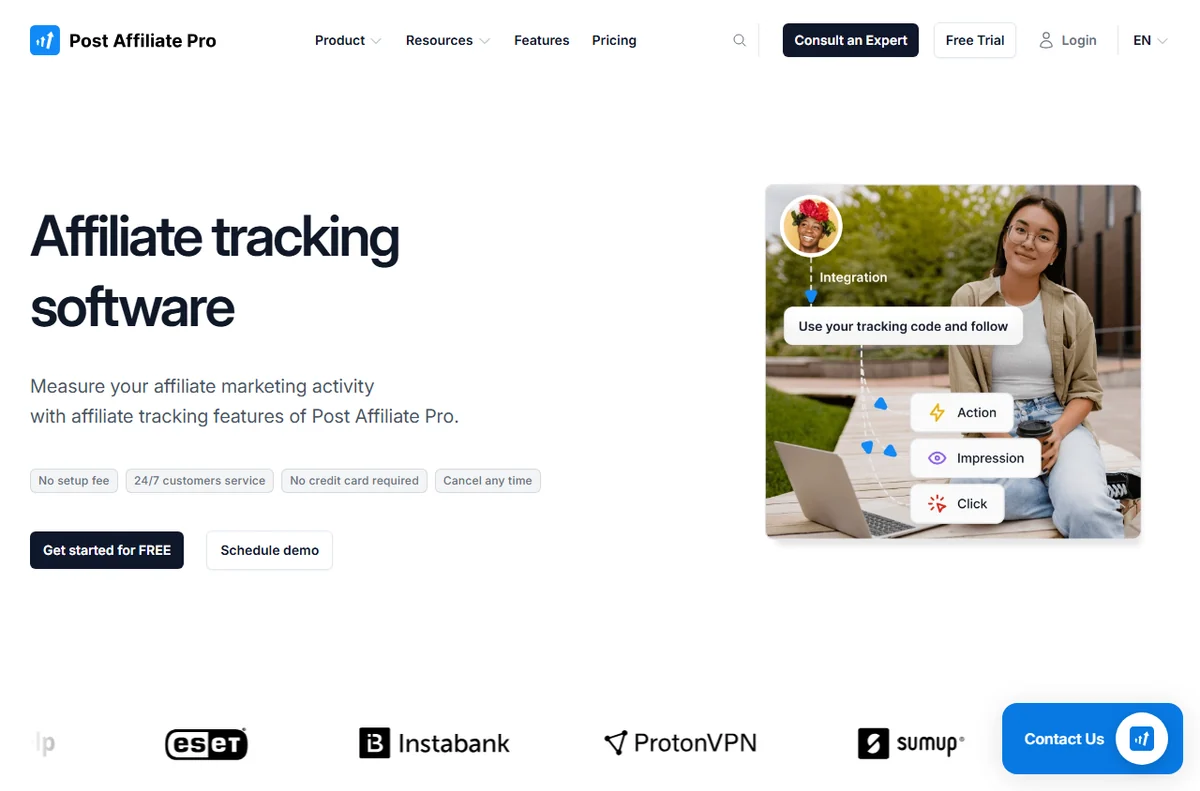
Pay on a fixed date
Choose a payout day and keep it. Partners plan around it, and a missed date costs more trust than a lower rate would. Approve commissions before the cut-off, and publish the cut-off so nobody has to ask. Predictability is the cheapest retention tool available.
Know when to change the terms
Rates that were generous at launch may not fit a year later, and that is normal. Change terms for new partners first, give existing partners notice, and explain the reason. Silent changes are what turn an advocate into someone who warns others about you.
Keeping the programme small on purpose
A small business does not need a hundred affiliates. It needs a handful who reliably send the right customers. Resist the urge to open registration just because the software allows it. Every additional partner adds support load, reporting noise and the risk of brand-damaging promotion. Grow the roster when the current roster is well supported, not when the dashboard looks empty.
What to automate and what to keep manual
Automate the ledger, the link generation and the payout calculation. Keep recruitment, rate decisions and disputes manual. Those three require judgement, and automating them produces policies nobody intended. A useful rule: if a decision would be hard to explain to a partner in one sentence, a human should make it. The software should record the outcome, not invent the rule.

Frequently asked questions
How many partners can a small team support?
It depends on how much hand-holding each needs, not on a fixed number. Start with a handful and add as support time allows.
Should I pay per sale or per lead?
Per sale is simpler to audit for most small businesses. Lead-based commissions need a definition of a qualified lead in writing.
What reporting do I need?
One monthly view: active partners, attributed orders, commission owed. More detail is optional until a decision depends on it.
Costs, integrations and trade-offs are covered in the full review. Full breakdown: Post Affiliate Pro review.
Bottom line for small teams
The routine matters more than the feature set. Recruit a handful of advocates, support them in one place, review once a month, pay on a fixed date, and change terms visibly when you must. A programme run that way on a modest plan will outperform a larger programme nobody tends. Software records the relationship; the small business still has to have one.
One more habit worth building early: keep a single running note of every decision you make about the programme, with the date. Why the rate is what it is, why one partner was declined, why a commission was adjusted. A small business rarely has a second person who remembers these things, and the note is what lets you answer a partner or an accountant a year later without reconstructing the reasoning from memory. It takes a minute to write and saves an hour of argument.
Related guides
Explore more software guides.
\n
Leave a Reply