Quick answer. Elementor is a good fit for freelancers because it collapses design, build and handover into one interface you can teach a client in twenty minutes. The catch is discipline: reusable templates, a staging copy for every client, and a handover document that stops the site becoming your unpaid maintenance job.
Independent analysis. This page may contain affiliate links.
The freelancer’s real constraint
You are selling time. Anything that shortens the gap between a client conversation and a live page is worth paying for. A visual builder does that, especially when the client wants to change a headline two days before launch.
The second constraint is credibility. Client sites that look considered, load quickly and survive a year without breaking are how you get the next three clients.
A repeatable build process
- Agree the page map and copy before you open the builder.
- Set global colours, fonts and spacing once, at the start.
- Build one page fully, then reuse it as a template for the rest.
- Test mobile and page speed before the client sees anything.
- Hand over with a short video walkthrough, not a PDF nobody reads.
Freelancers who skip step two end up rebuilding a site in month three because the client changed brand colours and every page had hard-coded hex values.
Pricing your work
Charge for the outcome, not the widget count. A five-page service site with copy and setup is a different engagement from a sixty-page catalogue, even if both use the same builder. Keep the builder licence as a line item or absorb it, but decide before you quote.
Be explicit about what happens after launch. Two revision rounds included, then hourly. A client who knows the boundary asks better questions.
Handover that protects you
Give the client editor access, not administrator access, and record a five-minute walkthrough of how to change text and images. Write down which plugins exist and why. This sounds bureaucratic until the first “the site is broken” email at 11pm that turns out to be a deactivated plugin.
Keep a staging copy. When an update breaks something, you restore, diagnose, then push. Without staging you are debugging on a live site with a client watching.
Templates as an asset
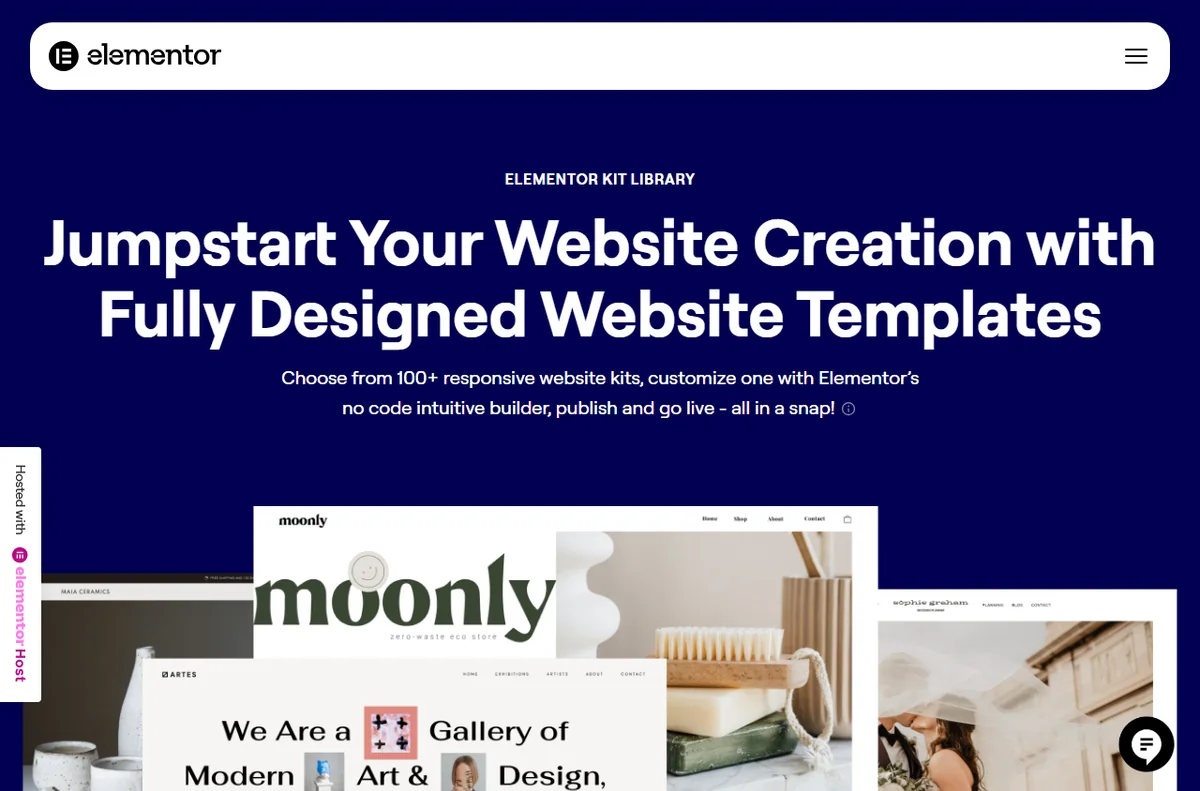
Save your best sections: a testimonial block, a pricing band, a service grid, a footer call to action. Over a year, those templates become your actual competitive advantage, because they cut build time on every new project.
Do not reuse a client’s brand-specific layout for another client without changing type and colour. It reads as recycling, and clients notice.

Costs to plan for
Builder subscription, hosting per client, a domain, and an hour a month per site for updates if you offer maintenance. Price maintenance as a recurring line item; it is real work and clients accept it more readily than a surprise invoice.
Where it stops scaling
At some point a client needs a store with complex rules, a membership system, or a multilingual build. Elementor can host those, but the maintenance burden grows faster than the fee. Learn to say no, or quote the real number.
Contracts, scope and the awkward conversation
Write the page count into the proposal, plus what counts as a revision. “Up to five pages, two rounds of revisions, content supplied by client” prevents most disputes. If the client adds a page mid-build, that is a change order, quoted separately. The conversation feels uncomfortable once; the alternative is three weeks of unpaid work and a client who thinks scope is elastic. Put the same terms in the handover email so nothing depends on memory.
A practical habit: keep one licence in your own name and charge hosting to the client directly. If the relationship ends, the site and the bill stay with them and you are not chasing reimbursement for a subscription you no longer control. It also makes your invoices simpler, which clients appreciate more than they say.
Our full Elementor review covers plan tiers, template libraries and the maintenance trade-offs.
Build client sites faster One builder, reusable templates, handover a client can follow. Get Elementor
This link does not change the price.
Based on the vendor’s public product pages as of October 2026. Plan features change; confirm current terms.
\n
Leave a Reply