
Quick answer. Elementor is a visual builder that runs inside WordPress, so you own the site and can design almost anything. ClickFunnels is a hosted platform built around sales funnels, with order forms, upsells and membership areas already wired together. Choose Elementor when design control and ownership matter; choose ClickFunnels when speed to a working funnel matters more than flexibility.
Independent analysis. This page may contain affiliate links.
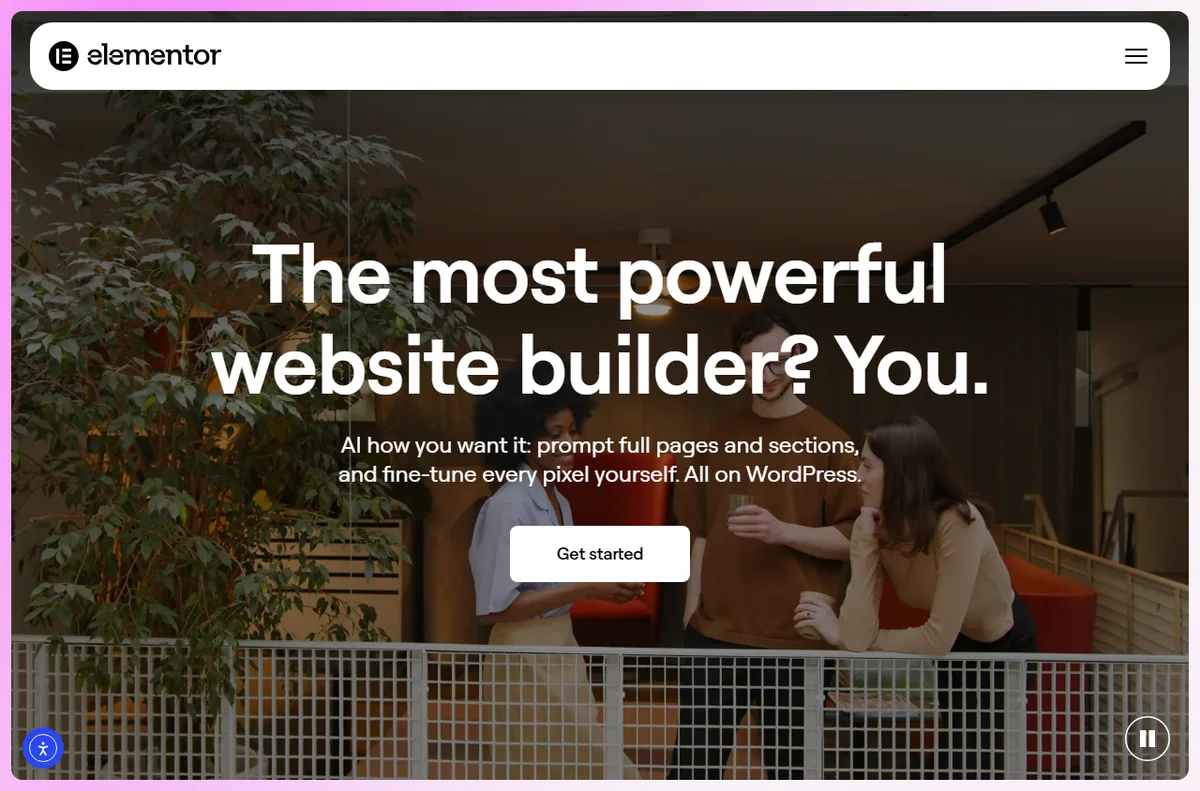
Two different starting points
Elementor starts from a blank canvas on your own WordPress installation. You bring hosting, a theme and whatever plugins you need, then design pages. Nothing is pre-decided for you, which is freedom and homework at the same time.
ClickFunnels starts from a funnel template. Pages arrive in a sequence with the checkout step already connected. You edit copy and images and publish. The trade-off is that you work inside its structure rather than defining it.
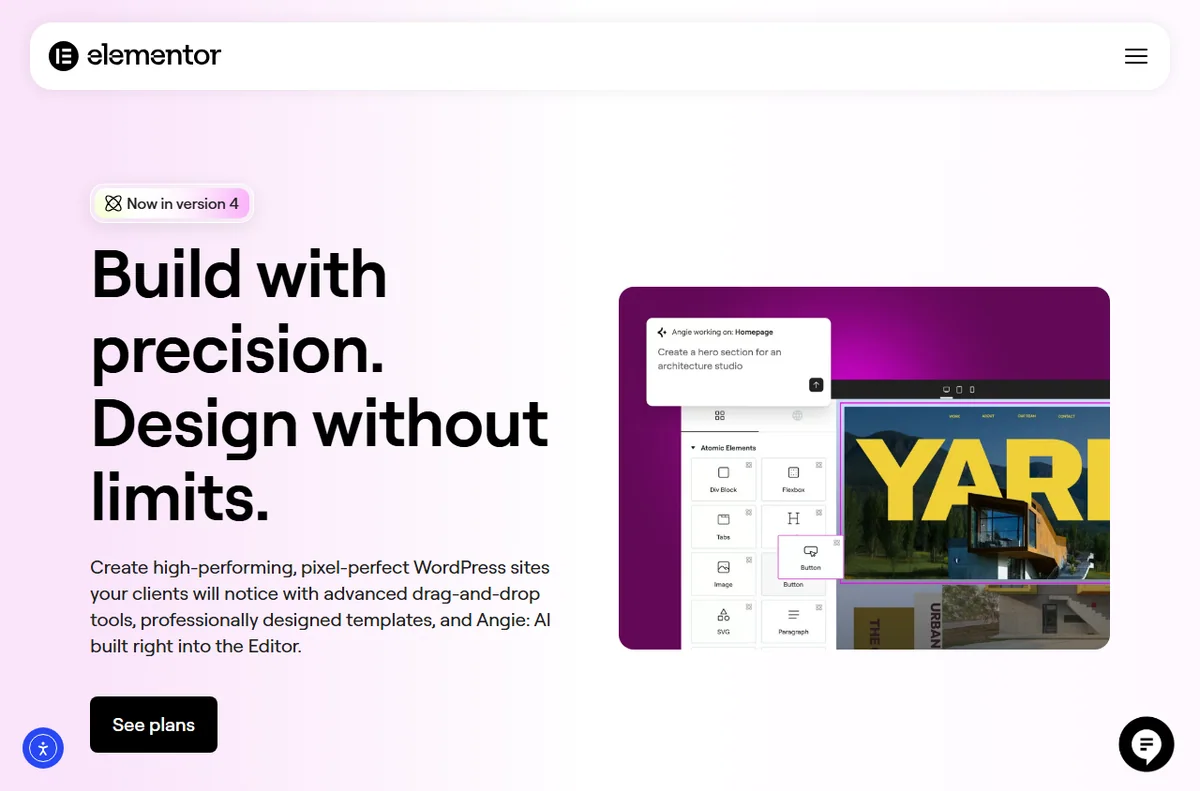
Design control
This is Elementor’s clearest advantage. Containers, flexbox and grid controls, responsive breakpoints, global styles, custom CSS when you need it. If a design exists as a mockup, Elementor can usually reproduce it closely.
ClickFunnels has improved its editor considerably, but it remains optimised for funnel-shaped pages: opt-ins, sales letters, order forms. Complex editorial layouts or unusual navigation are possible but awkward.

Funnels, payments and upsells
ClickFunnels wins on out-of-the-box funnel mechanics: one-click upsells, order bumps, subscription products, A/B splits between funnel steps. You still connect a payment processor, but the plumbing is native.
Elementor handles the page layer and leaves commerce to WooCommerce or a checkout service. That is more flexible and more work. You will assemble the cart, the upsell logic and the thank-you flow from separate pieces.
Ownership and lock-in
With Elementor, the site lives on your hosting, under your domain, in your database. If you stop paying for the builder, pages mostly survive, though advanced widgets may degrade.
With ClickFunnels, funnels live on their platform. Export options exist for some data, but a full funnel does not pack itself into a WordPress site. Leaving means rebuilding.
That is not automatically bad. A hosted platform removes maintenance, patching and server worries. It is a rent-versus-own decision, and both are legitimate.

Cost comparison, honestly framed
Elementor’s paid tiers are a fraction of a full funnel platform’s subscription, but they are not the whole cost: hosting, a domain, and possibly WooCommerce extensions add up. ClickFunnels bundles hosting and funnel tooling into one bill, which is simpler to predict and easier to outgrow.
The fair comparison is total monthly cost at your expected traffic and feature needs, not the sticker price of either plan. Both vendors change pricing regularly, so confirm current figures before committing.
Speed to launch
If your goal is a webinar registration funnel live this week, ClickFunnels is faster. Templates are funnel-specific, and the checkout step is not an integration project.
If your goal is a site that will grow for three years, with blog content, service pages and a brand that does not look like a template, Elementor’s slower start pays back.

Who each one fits
- Elementor: service businesses, agencies, content-led sites, WordPress teams that want design control.
- ClickFunnels: course sellers, coaches running paid traffic, info-product launches, anyone whose revenue depends on funnel conversion.
A middle path
Some teams run both: ClickFunnels for paid-traffic funnels, Elementor for the main site and content. It is more expensive and more to maintain, but it puts each tool where it is strongest. Only do this if the funnel revenue justifies a second subscription.
Bottom line
Pick ClickFunnels if the funnel is the business and you want it live fast. Pick Elementor if the website is the business and design control, ownership and long-term cost matter more than a head start.
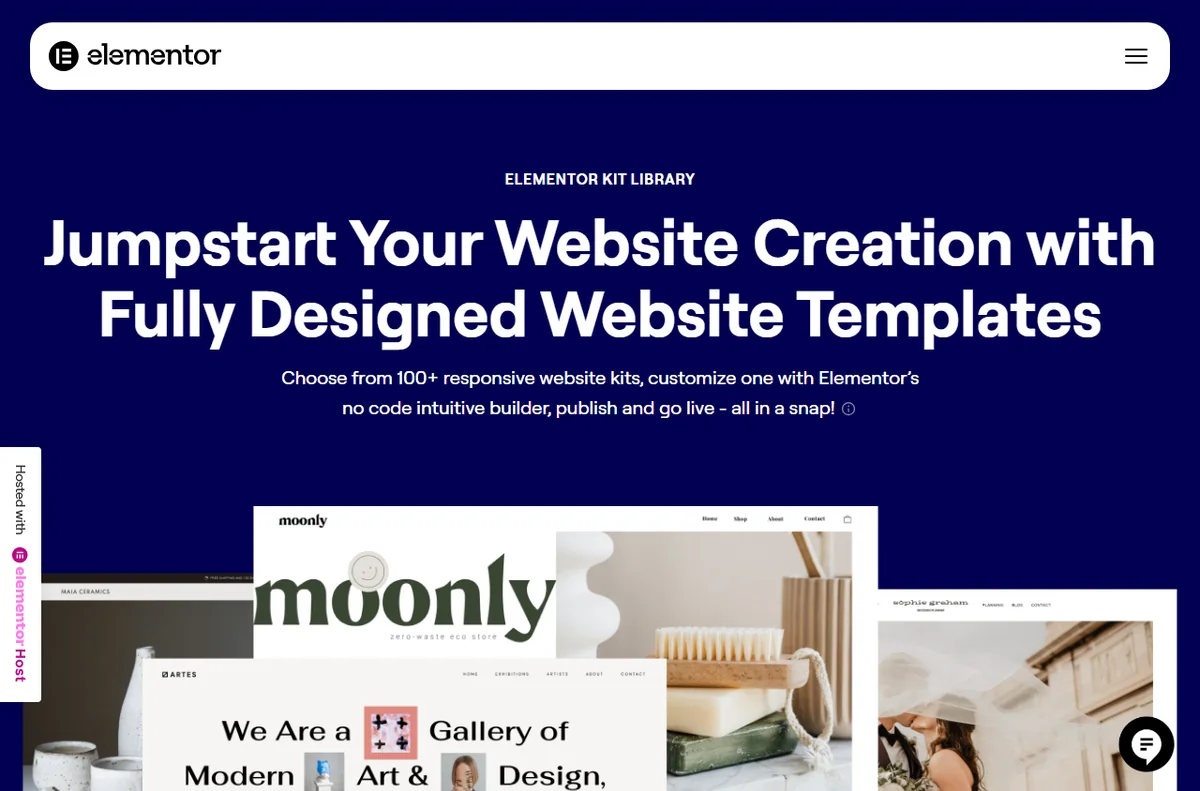
Template traps worth knowing
Both tools make templates easy to apply, and both make them easy to over-apply. A funnel template copied across four steps starts to look repetitive to anyone who sees two of them, and a page-builder template applied to every service page flattens your brand. Pick one visual idea per page and vary the layout between steps. Whichever platform you choose, edit the template rather than shipping it unchanged.
Our full Elementor review covers the free versus paid split, template quality and the maintenance load in more detail.
Try Elementor Build on WordPress with full design control. Get Elementor
This link does not change the price.
Written from the vendors’ public pages as of October 2026. Pricing and feature tiers change; verify current terms before you buy.
\n
Leave a Reply