Home / Developer tools & cloud
DEVELOPER TOOLS & CLOUD
Developer tools & cloud for small teams — build, ship and run software without a platform team
Quick answer. In short: the best developer tools for a small business balance price, ease of use and support. For most teams the right stack is a solid starting point, but a second option often fits specific workflows better. Compare two or three options below before you commit.
A small team shipping software needs the same building blocks as a large one, just without the headcount. This hub covers the categories worth adopting early, and the ones you can safely delay until the pain is real.
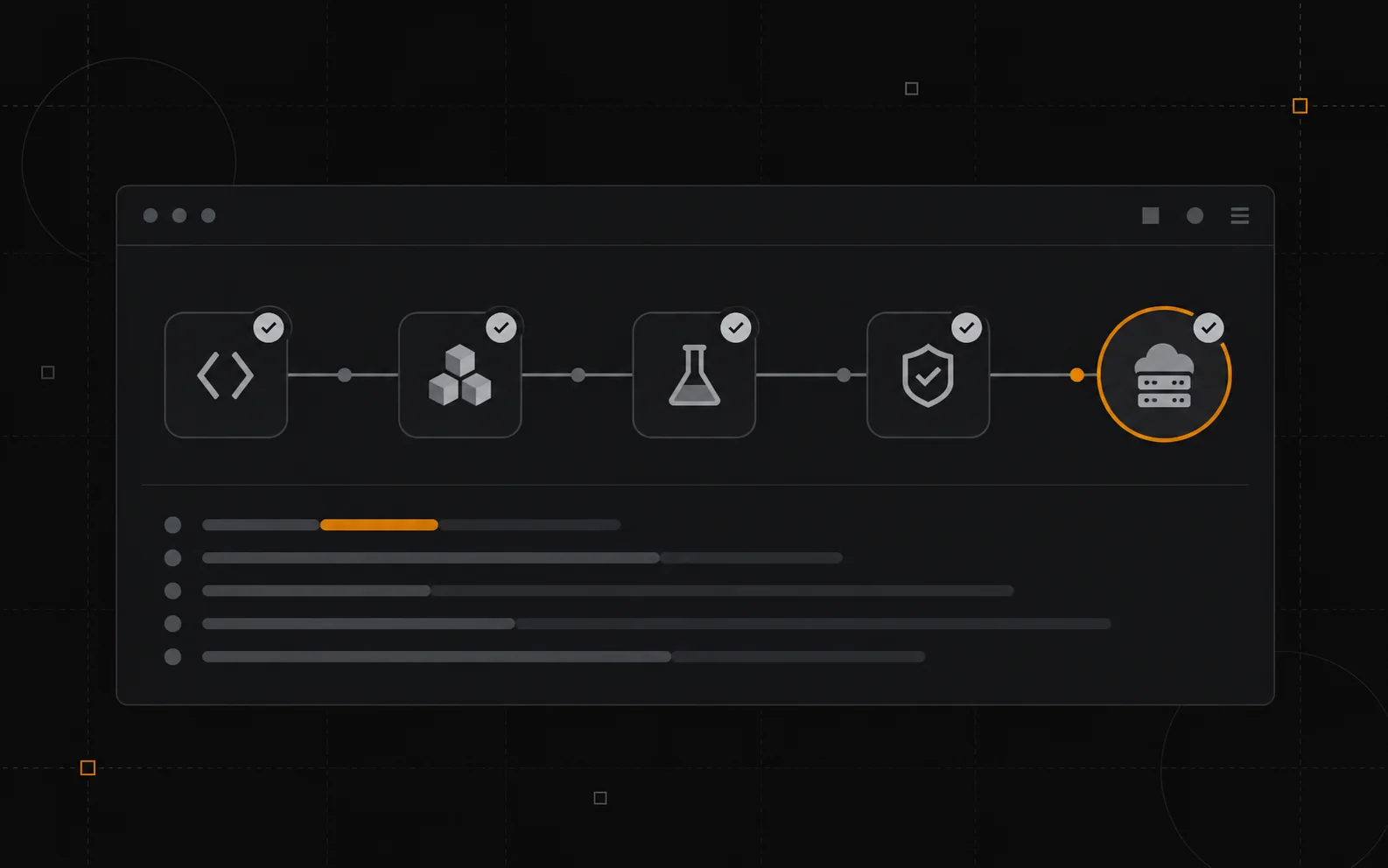
What this hub covers

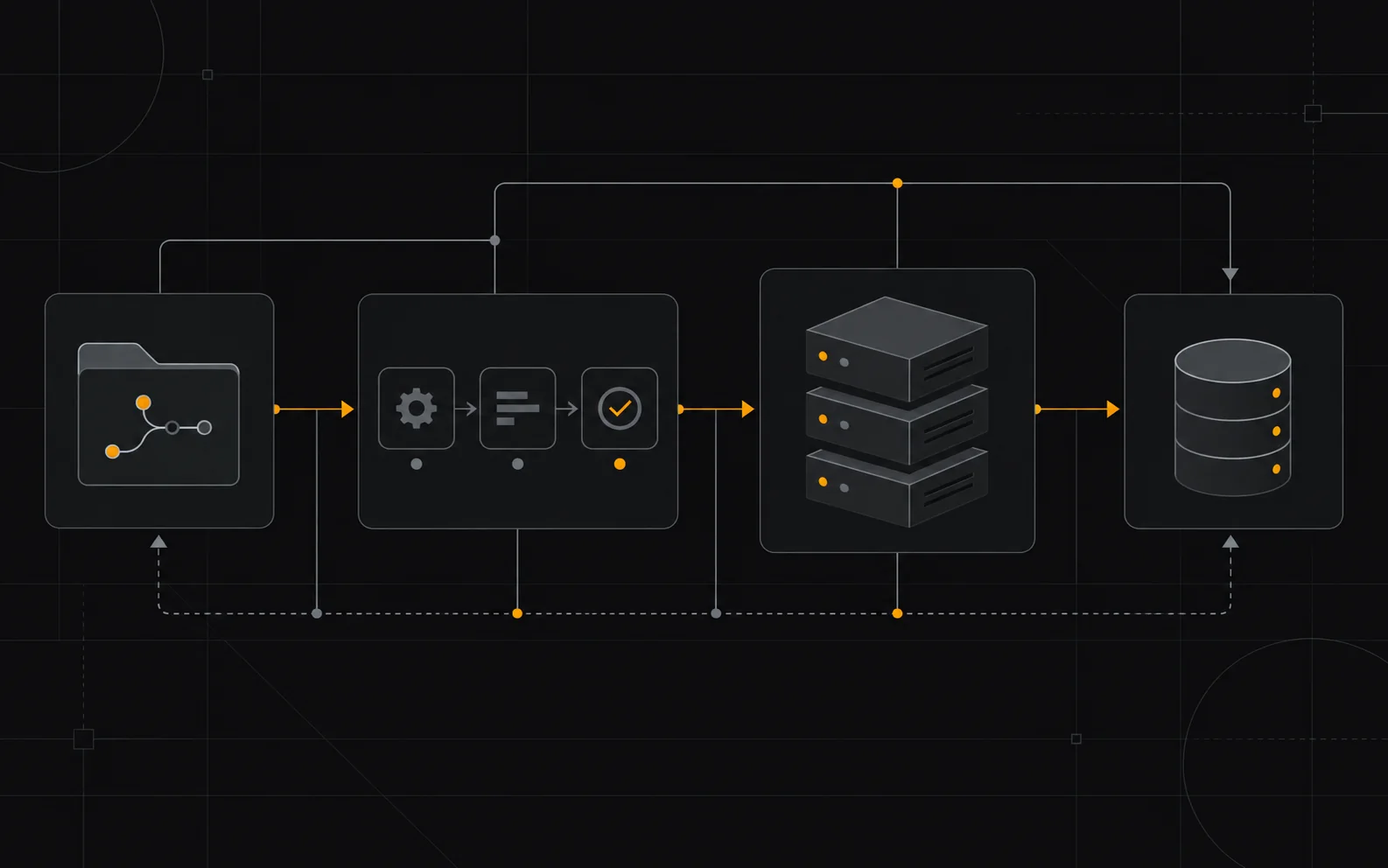
Cloud hosting & PaaS
Deploy without managing servers. Choose per environment, not per feature list.
Repositories & code hosting
Version control plus a review workflow. Non-negotiable even for a team of two.
CI/CD
Automated tests and deploys catch the mistakes humans make at 6pm on a Friday.
Monitoring & logs
Know when something breaks before a customer tells you, and be able to find why.
Databases & storage
Managed first; self-hosted only when a specific cost or compliance reason justifies the ops load.
API & integration tooling
Where your own systems meet vendors and automation platforms.
A decision path you can follow before you pay
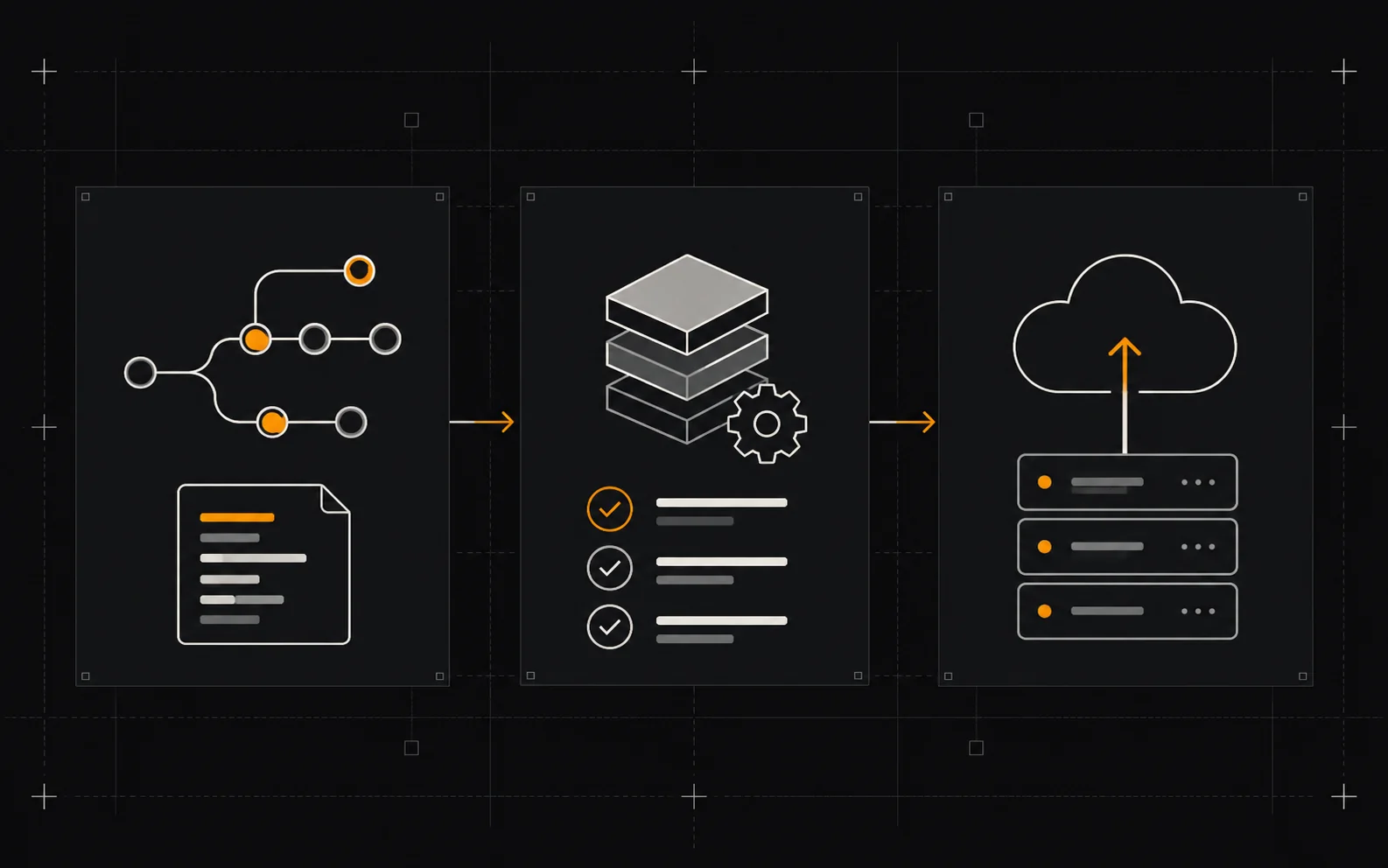
01 — Start with version control and a deployment path before adding anything else.
02 — Add automated tests to the deploy pipeline early — they get harder to retrofit.
03 — Turn on error monitoring and basic uptime checks from day one.
04 — Use managed databases until the bill or a constraint forces otherwise.
05 — Introduce observability depth only when you have real incidents to investigate.
Work through these in order. Most wasted spend happens when a team starts at the last step and works backwards.
When you do not need these tools
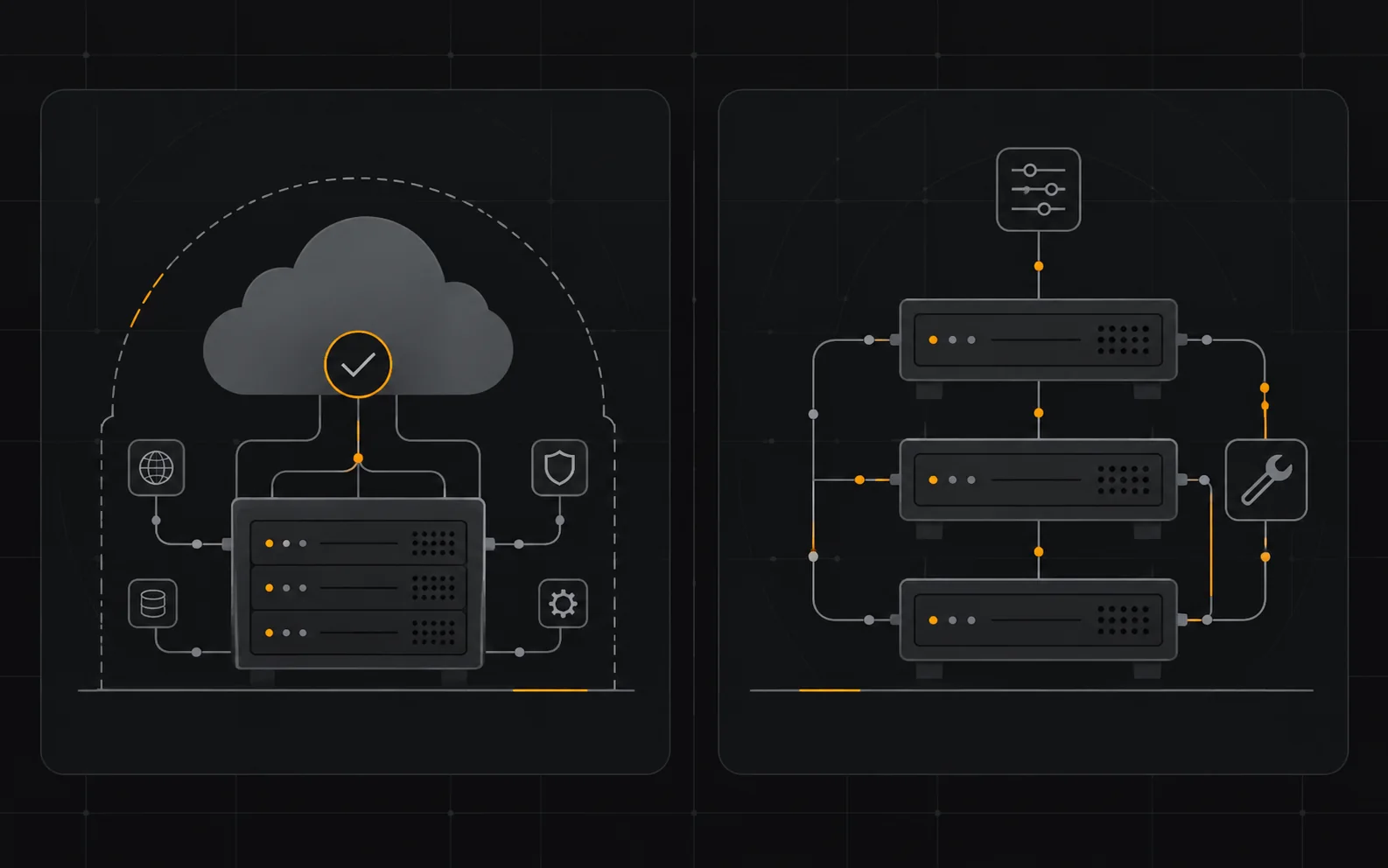
If you are buying software rather than building it, most of this category is not for you — the automation and hosting hubs will serve you better. Do not stand up infrastructure to avoid a subscription you can afford.
Where to go next
Related ICODE hubs and reviews: hosting hub, automation hub, business software hub.
How we cover this category

We explain the categories and the decision logic using vendors’ own documentation and pricing pages as the primary source. We do not accept payment for placement, and a commission never changes a ranking. We label vendor-reported numbers as vendor-reported. Confirmed links to software may be affiliate links; see our affiliate disclosure.
Frequently asked

What developer and cloud tools does a small team need?
Typically version control, a hosting or cloud platform, monitoring and a way to manage secrets; the goal is a simple stack that is easy to operate.
How is cloud hosting priced?
Most clouds charge for usage – compute, storage and bandwidth – so costs can grow silently; set budgets and alerts from day one.
Do small teams need platform-as-a-service?
A platform service is often simpler and cheaper for small teams than raw infrastructure, but check limits and vendor lock-in as you scale.
How does ICode compare developer tools?
We apply the same criteria – setup effort, pricing model, limits and reliability.
People also ask
What are the best developer tools?
In short: the best developer tools for a small business balance price, ease of use and support. For most teams the right stack is a solid starting point, but a second option often fits specific workflows better. Compare two or three options below before you commit.
What are the best developer tools for small business?
The best developer tools for a small business are usually the ones with predictable pricing and a clear free or low-cost entry point. For most teams the right stack is a good starting point; compare two or three options before you commit.
How do I choose developer tools?
Start from your workflow and budget, not the feature list. List your must-have jobs, test the top two tools on a free plan, and check how pricing scales as you grow. Our hub pages break each option down by use case.
Are there free options?
Several developer tools offer a free tier or a trial. Free plans usually cap usage or seats, so use them to validate fit, then upgrade when a limit starts to cost you time.