Home / Analytics
ANALYTICS & CRO
Web & product analytics for small business — measure what actually drives revenue
Quick answer. In short: the best web analytics tools for a small business balance price, ease of use and support. For most teams a privacy-friendly analytics tool is a solid starting point, but a second option often fits specific workflows better. Compare two or three options below before you commit.
Most small businesses collect plenty of data and act on almost none of it. This hub covers the categories that turn traffic into decisions, and the ones you can defer until you have real traffic to analyse.

What this hub covers

Web analytics
Traffic, sources and conversions for your public site. Get definitions of a conversion right before trusting any chart.
Product analytics
How people actually use your app or logged-in area, by cohort and feature.
Tag management
Deploy and audit tracking without editing the site on every change.
Session replay & heatmaps
See where people get stuck, with privacy settings treated as a requirement, not an afterthought.
A/B testing & CRO
Test one meaningful change at a time, with enough traffic for the result to mean anything.
Dashboards & reporting
One page that answers whether last month was better, shared with whoever needs it.
A decision path you can follow before you pay
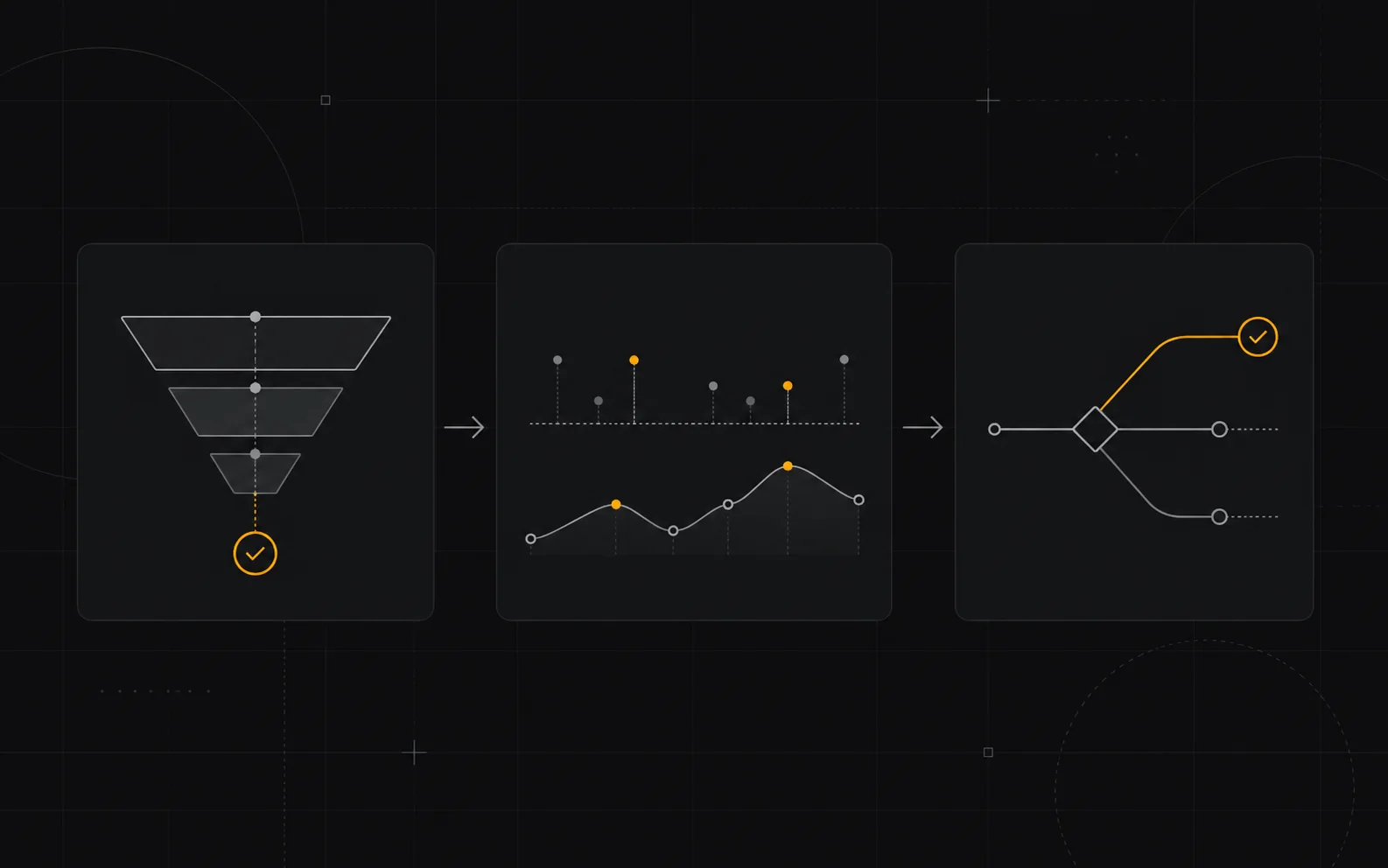
01 — Define what a conversion is and record it consistently before adding tools.
02 — Attach your traffic sources to revenue where you can, not just sessions.
03 — Use one analytics stack — double-counting is worse than under-measuring.
04 — Add replay or heatmaps only when you have a specific question to answer.
05 — Run one test at a time and record the outcome so knowledge accumulates.
Work through these in order. Most wasted spend happens when a team starts at the last step and works backwards.
When you do not need these tools
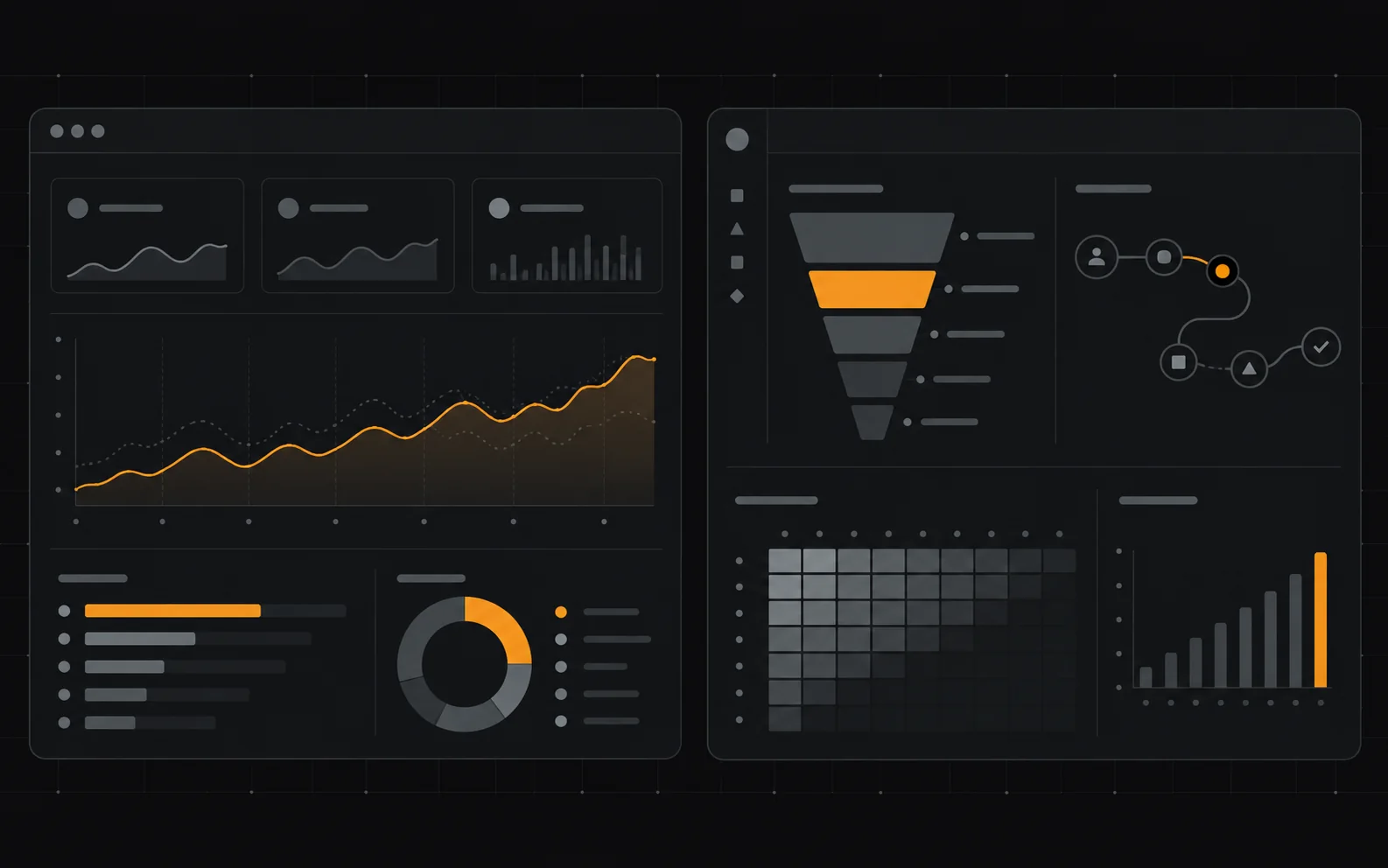
Under a few hundred visits a month, statistics tell you very little and a quick customer conversation tells you more. Set up clean measurement, but do not buy testing tools to analyse noise.

How we cover this category
We explain the categories and the decision logic using vendors’ own documentation and pricing pages as the primary source. We do not accept payment for placement, and a commission never changes a ranking. We label vendor-reported numbers as vendor-reported. Confirmed links to software may be affiliate links; see our affiliate disclosure.
Frequently asked
Which analytics tools should a small business use?
Use a simple traffic analytic for behaviour and a product or privacy-friendly analytic for funnels and events; pick based on the questions you need answered.
Why are analytics numbers often inaccurate?
Ad blockers, cookie consent and bot traffic all distort the numbers, so treat analytics as directional and compare trends over time rather than absolute totals.
Are free analytics tools enough?
For most small sites, free tiers answer the main questions; paid plans matter when you need long data retention, funnels or higher event limits.
How does ICode compare analytics tools?
We apply the same criteria – setup effort, data model, privacy stance and price at scale.
People also ask
What are the best web analytics tools?
In short: the best web analytics tools for a small business balance price, ease of use and support. For most teams a privacy-friendly analytics tool is a solid starting point, but a second option often fits specific workflows better. Compare two or three options below before you commit.
What are the best web analytics tools for small business?
The best web analytics tools for a small business are usually the ones with predictable pricing and a clear free or low-cost entry point. For most teams a privacy-friendly analytics tool is a good starting point; compare two or three options before you commit.
How do I choose web analytics tools?
Start from your workflow and budget, not the feature list. List your must-have jobs, test the top two tools on a free plan, and check how pricing scales as you grow. Our hub pages break each option down by use case.
Are there free options?
Several web analytics tools offer a free tier or a trial. Free plans usually cap usage or seats, so use them to validate fit, then upgrade when a limit starts to cost you time.