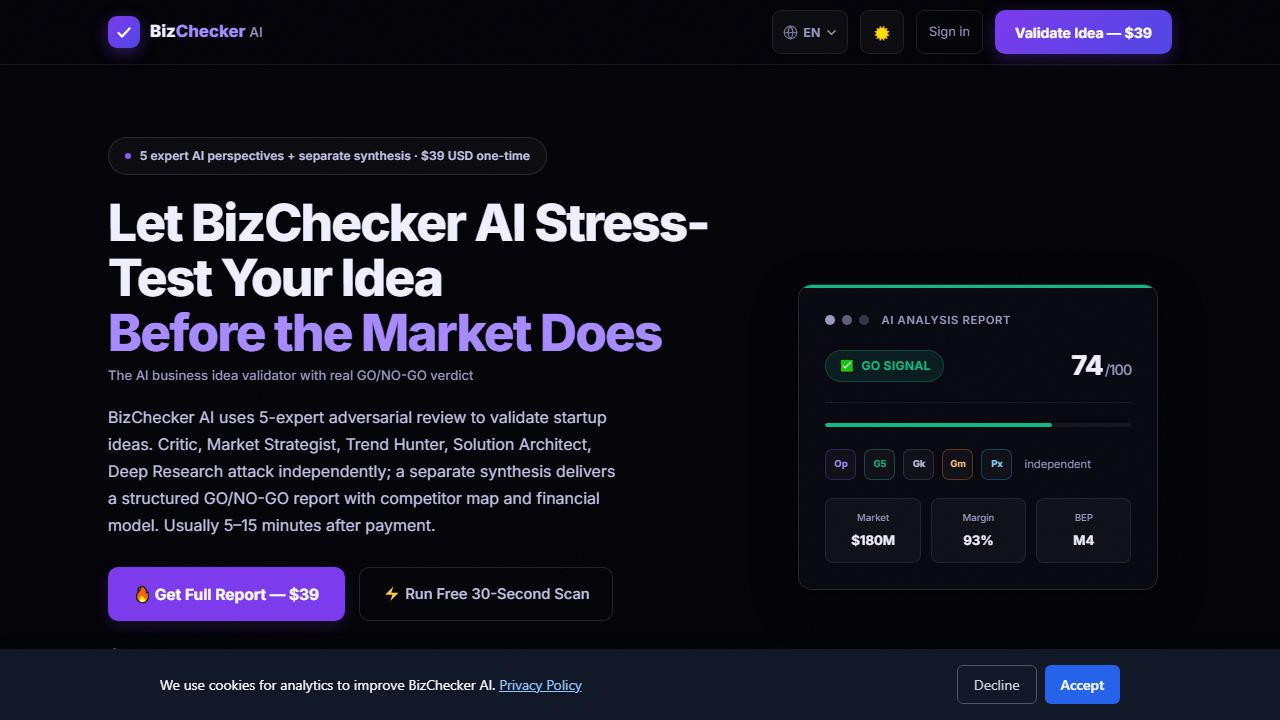
Short answer: A free plan exists to prove the product works on your data, not to run a business at zero cost. Read the limits first, then decide what a fair test looks like.
Independent analysis. This page may contain affiliate links.
What free tiers are designed to do
Vendors give away an entry tier so you can experience the workflow before paying. The tier is deliberately sized below the point where the product replaces a paid process.
Understanding that intent stops you from building a business process on a plan that will be capped.
The three limits that matter
Volume, features and support. Volume caps are visible. Feature gates are visible on a comparison table. Support is the one people discover after a problem.
Assume the free tier has no human support until you confirm otherwise.
Designing a fair test
Use real data, not sample data. A demo dataset hides exactly the mess your own data contains.
Run the workflow three times. The third run is where the friction shows.
What to do when you hit the cap
Hitting a cap is information: it tells you the workflow is real and worth paying for. The mistake is rebuilding around the cap instead of upgrading.
Rebuilding around limits produces a fragile process that fails the moment volume grows.
Alternatives to upgrading immediately
Reduce frequency, narrow the scope, or run the workflow manually until the volume justifies the plan. All three are legitimate.
What is not legitimate is assuming the vendor will not enforce the limit.
Reading the plan page properly
Look for the unit being counted, the reset period and whether unused capacity carries over. Those three details decide the real ceiling.
Ignore marketing adjectives. They are not measurable.
What to check before you commit
Export of your data, behaviour on downgrade, and whether the free tier is time-limited or permanently capped.
The build-versus-buy question
Building the same workflow in-house is possible and usually more expensive than it looks, because the cost is maintenance rather than the first version.
Buy when the process is standard and the vendor maintains the integrations. Build when the process is your advantage and no vendor models it. Most small businesses are in the first case.
Signs the workflow should be deleted
Some workflows should never have existed. If nobody reads the output, if it duplicates a report someone already sends, or if it exists to satisfy a metric nobody uses, delete it.
Deleting a process is cheaper than maintaining one, and the discipline of asking once a quarter is what keeps a stack from becoming archaeology.
Support and escalation, realistically
Know what support you are entitled to before you need it. Entry tiers often provide documentation and community answers rather than a person, which is fine until an integration breaks on a Friday.
Write the escalation path next to the workflow. If the answer is a forum, plan a manual fallback for the hours when nobody is reading it.
Documentation that survives
A workflow document should fit on one screen: trigger, steps, expected output, owner, and what to do when it fails. Anything longer will not be opened during an incident.
Store it where the login lives rather than in a knowledge base nobody browses. Proximity beats structure when something is broken.
Try BizChecker AI on the official site — Open the official site
Read the full BizChecker AI review for the complete picture, including current plan details and competitor comparisons.
FAQ
Is the free plan permanent?
Usually capped rather than time-limited, but confirm on the official page.
Can I use it commercially?
Often yes. Check the terms rather than assuming.
What happens to my data if I stop?
Usually retained for a period, then deleted. Export before you decide.
When should I upgrade?
When the workflow runs often enough that manual handling costs more than the plan.
What this looks like in practice
Treat BizChecker AI as a single step rather than a platform. The step should be specific, repeated weekly, and owned by a named person. Write the expected output down before you build, then compare the first three runs against that expectation. If the third run still needs heavy correction, the scope is wrong rather than the tool.
Keep a short log of interventions for the first month. Two lines a week is enough, and it turns a vague feeling about the tool into a decision you can defend to a client, a partner or yourself.
\n
Leave a Reply