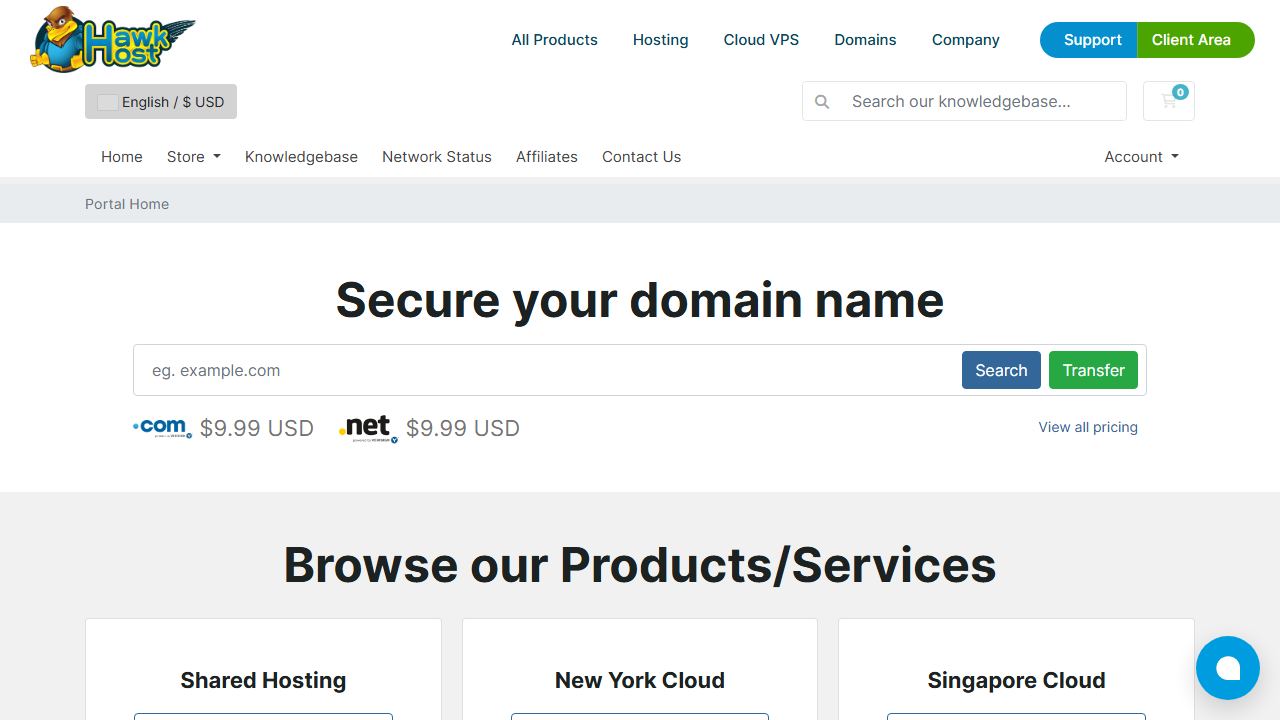
Short answer: Coaches buy tools to protect delivery time, not to look modern. Hawk Host earns a place in a coaching business only when it removes admin that sits between sessions, such as intake, reminders, notes or follow-up material.
Independent analysis. This page may contain affiliate links.
The admin tax on a coaching week
A coaching week hides two to four hours of coordination: confirming times, sending pre-work, chasing forms, summarising sessions. It is invisible on an invoice and it eats the margin.
Any tool that removes a slice of that tax pays for itself before it changes how you coach.
Session prep is the highest-value target
Prep is repetitive in structure and unique in content. That makes it a good candidate for templating and a bad candidate for full automation.
Build the structure once, then fill it by hand each session. Automating the judgement is how coaches end up sounding like a form letter.
Client data and boundaries
Store the minimum you need. A coaching business does not require a sprawling database, and every extra field is a liability you have to maintain and eventually delete.
Decide where notes live before you invite a client into anything. Retrofitting that decision after a complaint is expensive.
Async follow-up that clients actually read
A short recap with one action beats a long document nobody opens. Send it within a day, keep it to five lines, and put the action at the top.
If the tool makes that recap faster to produce, it has earned its subscription. If it produces a twelve-page summary, it has added work.
Group programmes change the maths
Group delivery rewards consistency far more than personalisation. A repeatable structure for intake, weekly prompts and wrap-up is where the leverage is.
Automate the structure. Keep the coaching in the room or on the call.
Pricing and plan mechanics
Plans in this category typically differ by seats, usage or feature depth rather than by a single fixed number. Read the current plan page and map it to the number of clients you actually have, not the number you hope to have.
A plan sized for a future business is a subscription you pay for twice: once in money, once in unused complexity.
What to check before you commit
Verify that you can export client notes, confirm whether seats are billed per user, and check what happens to your data if you stop paying. Those three answers matter more than any feature list.
Working alongside a team
The moment two people touch a workflow, naming and ownership matter more than features. Decide who owns the trigger, who owns the output, and who gets notified when it fails.
Write those three names down. A workflow with named owners survives staff changes; one without them becomes folklore within a quarter.
A note on data and privacy
Decide what data the workflow is allowed to touch before it touches anything. Every field you copy into a third-party tool is a field you now have to protect, export and eventually delete.
Keep the minimum, store it in one place, and know how to remove it on request. That is the whole policy for most small businesses, and it is enough.
The build-versus-buy question
Building the same workflow in-house is possible and usually more expensive than it looks, because the cost is maintenance rather than the first version.
Buy when the process is standard and the vendor maintains the integrations. Build when the process is your advantage and no vendor models it. Most small businesses are in the first case.
Signs the workflow should be deleted
Some workflows should never have existed. If nobody reads the output, if it duplicates a report someone already sends, or if it exists to satisfy a metric nobody uses, delete it.
Deleting a process is cheaper than maintaining one, and the discipline of asking once a quarter is what keeps a stack from becoming archaeology.
Try Hawk Host on the official site — Open the official site
Read the full Hawk Host review for the complete picture, including current plan details and competitor comparisons.
FAQ
Is Hawk Host overkill for a solo coach?
Often yes. A solo practice with fewer than ten clients can usually run on a calendar, a document and a form. Buy the tool when the coordination, not the coaching, is the constraint.
Can I automate client onboarding?
You can automate the sequence: form, confirmation, prep material. Keep the personal welcome message manual.
Will clients notice the automation?
They notice inconsistency, not tooling. A predictable structure reads as professionalism.
What about client confidentiality?
Decide your data rules first, then choose plans that let you delete data on request.
What this looks like in practice
Treat Hawk Host as a single step rather than a platform. The step should be specific, repeated weekly, and owned by a named person. Write the expected output down before you build, then compare the first three runs against that expectation. If the third run still needs heavy correction, the scope is wrong rather than the tool.
Keep a short log of interventions for the first month. Two lines a week is enough, and it turns a vague feeling about the tool into a decision you can defend to a client, a partner or yourself.
\n
Leave a Reply