We’re reader-supported — some links are affiliate links. Learn more →

Skip to content

Independent software research. Some links may earn us a commission at no extra cost to you. Learn more →

ICode

Category: Automation

  • Make free plan explained: what you actually get

    Make free plan explained: what you actually get

    Home / Automation / Guides / Make free plan

    Pricing · Automation · updated 2026

    Make free plan explained: what you actually get

    What Make includes for free, where the limits land, and the moment it makes sense to upgrade.
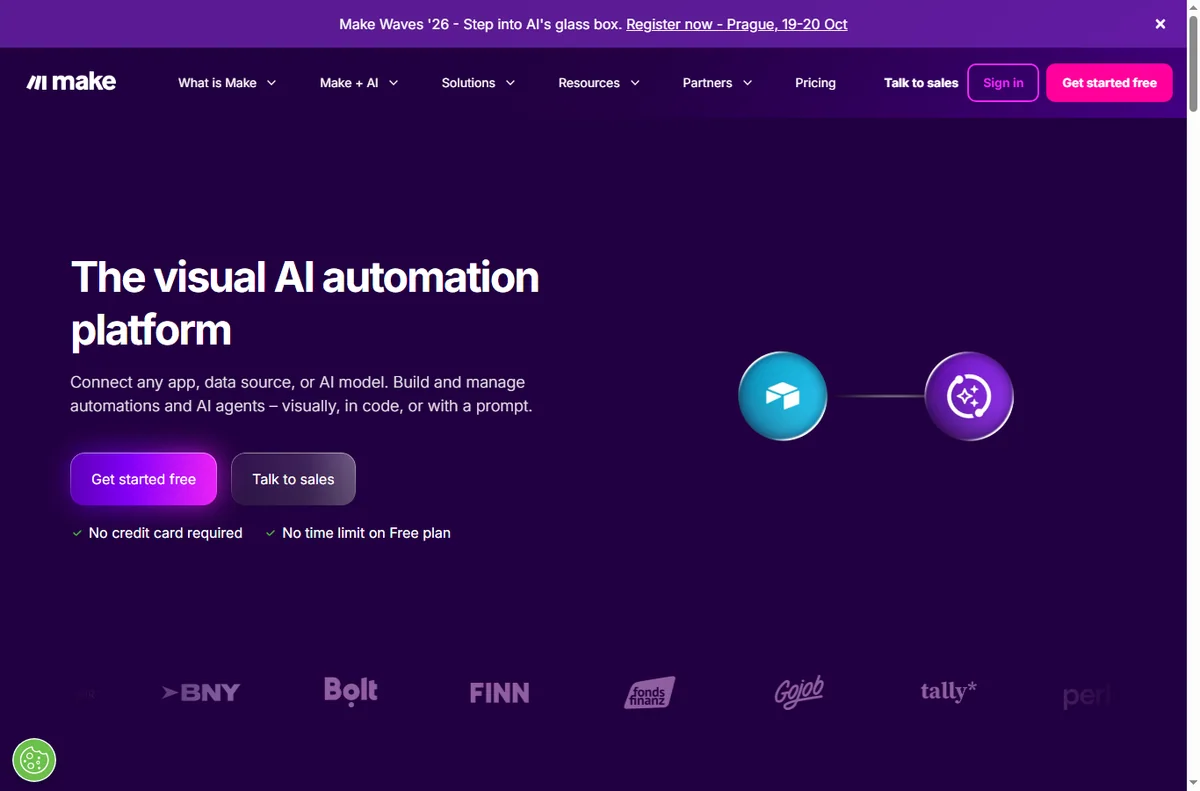
    Make screenshot
    Make official site (image: make.com)

    Independent analysis. This page may contain affiliate links. Some links here are referral links; if you sign up through one we may earn a reward at no extra cost to you, and it never changes what we recommend. See our Affiliate Disclosure.

    TL;DR

    • Make has a free or free-to-start plan: yes.
    • The free tier is enough to evaluate the tool and run a small project.
    • Paid plans lift volume, seats and advanced features.
    • Check the current limits on the official site — they change.

    What the free plan includes

    • Visual, no-code automation for multi-step workflows.
    • Core features of Make at small scale
    • A capped amount of usage, seats or storage

    Where the free limits are

    • Usage or volume ceilings
    • Missing advanced features
    • Branding or export restrictions

    When to upgrade

    Upgrade when a limit blocks real work rather than testing: your list, tasks or storage outgrow the cap, or you need a feature reserved for paid tiers. If you are still experimenting, stay free.

    Free alternatives to compare

    If the free tier is too tight, look at other automation tools — several offer more generous free plans. Our Automation roundup compares them.

    Ready to try Make? Check current plans and pricing on the official site. Visit Make → (affiliate link)

    Frequently asked questions

    Is the Make free plan really free?

    Yes — there is no charge for the free tier, though it comes with usage limits and fewer features than paid plans.

    What are the limits of the free plan?

    The free tier caps usage, seats or features. Check the official pricing page, since limits change over time.

    Should I upgrade from free?

    Only when a limit blocks work you actually need to do. Until then, the free tier is a fair way to evaluate Make.

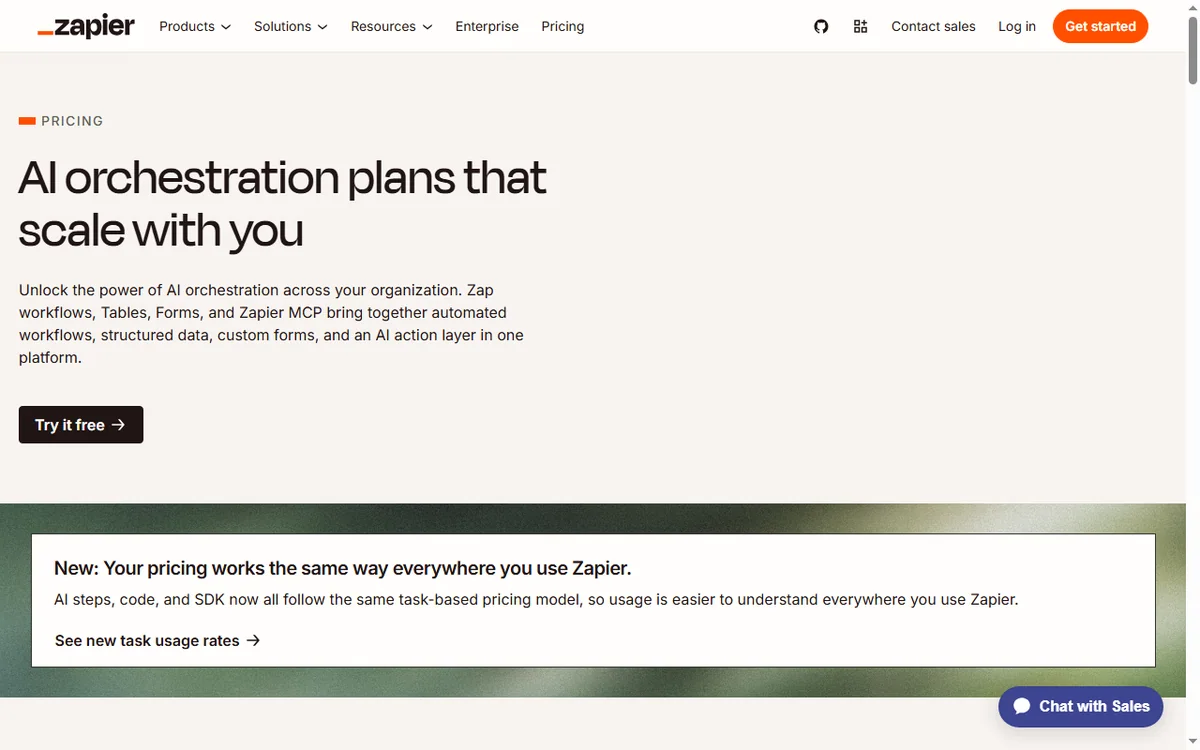
    Related reading

  • Zapier free plan explained: what you actually get

    Zapier free plan explained: what you actually get

    Home / Automation / Guides / Zapier free plan

    Pricing · Automation · updated 2026

    Zapier free plan explained: what you actually get

    What Zapier includes for free, where the limits land, and the moment it makes sense to upgrade.

    Zapier screenshot
    Zapier official site (image: zapier.com)

    Independent analysis. This page may contain affiliate links. Some links here are referral links; if you sign up through one we may earn a reward at no extra cost to you, and it never changes what we recommend. See our Affiliate Disclosure.

    TL;DR

    • Zapier has a free or free-to-start plan: yes.
    • The free tier is enough to evaluate the tool and run a small project.
    • Paid plans lift volume, seats and advanced features.
    • Check the current limits on the official site — they change.

    What the free plan includes

    • The widest app-to-app integration library for simple automations.
    • Core features of Zapier at small scale
    • A capped amount of usage, seats or storage

    Where the free limits are

    • Usage or volume ceilings
    • Missing advanced features
    • Branding or export restrictions

    When to upgrade

    Upgrade when a limit blocks real work rather than testing: your list, tasks or storage outgrow the cap, or you need a feature reserved for paid tiers. If you are still experimenting, stay free.

    Free alternatives to compare

    If the free tier is too tight, look at other automation tools — several offer more generous free plans. Our Automation roundup compares them.

    Ready to try Zapier? Check current plans and pricing on the official site. Visit Zapier → (affiliate link)

    Frequently asked questions

    Is the Zapier free plan really free?

    Yes — there is no charge for the free tier, though it comes with usage limits and fewer features than paid plans.

    What are the limits of the free plan?

    The free tier caps usage, seats or features. Check the official pricing page, since limits change over time.

    Should I upgrade from free?

    Only when a limit blocks work you actually need to do. Until then, the free tier is a fair way to evaluate Zapier.

    Related reading

  • Zapier pricing explained (2026)

    Zapier pricing explained (2026)

    Home / Automation / Guides / Zapier pricing

    Pricing · Automation · updated 2026

    Zapier pricing explained (2026)

    A plain-English breakdown of what Zapier costs, what each tier includes, and the extras that quietly raise your bill.

    Zapier screenshot
    Zapier official site (image: zapier.com)

    Independent analysis. This page may contain affiliate links. Some links here are referral links; if you sign up through one we may earn a reward at no extra cost to you, and it never changes what we recommend. See our Affiliate Disclosure.

    TL;DR

    • Entry pricing: Free; paid plans from about $19.99/mo.
    • There is a free or free-to-start plan.
    • The biggest cost drivers are usage limits and per-seat pricing.
    • Always check the current price and renewal terms before you commit.
    Zapier pricing page
    Zapier pricing plans (image: zapier.com)

    What you pay for

    ItemDetail
    Starting priceFree; paid plans from about $19.99/mo
    Free planYes
    Best forbeginners connecting two apps quickly
    Typical upgradesMore volume, more seats, or more advanced features

    What changes the price

    • Usage or volume limits on the entry tier.
    • Extra seats or workspace members.
    • Add-on features billed separately.
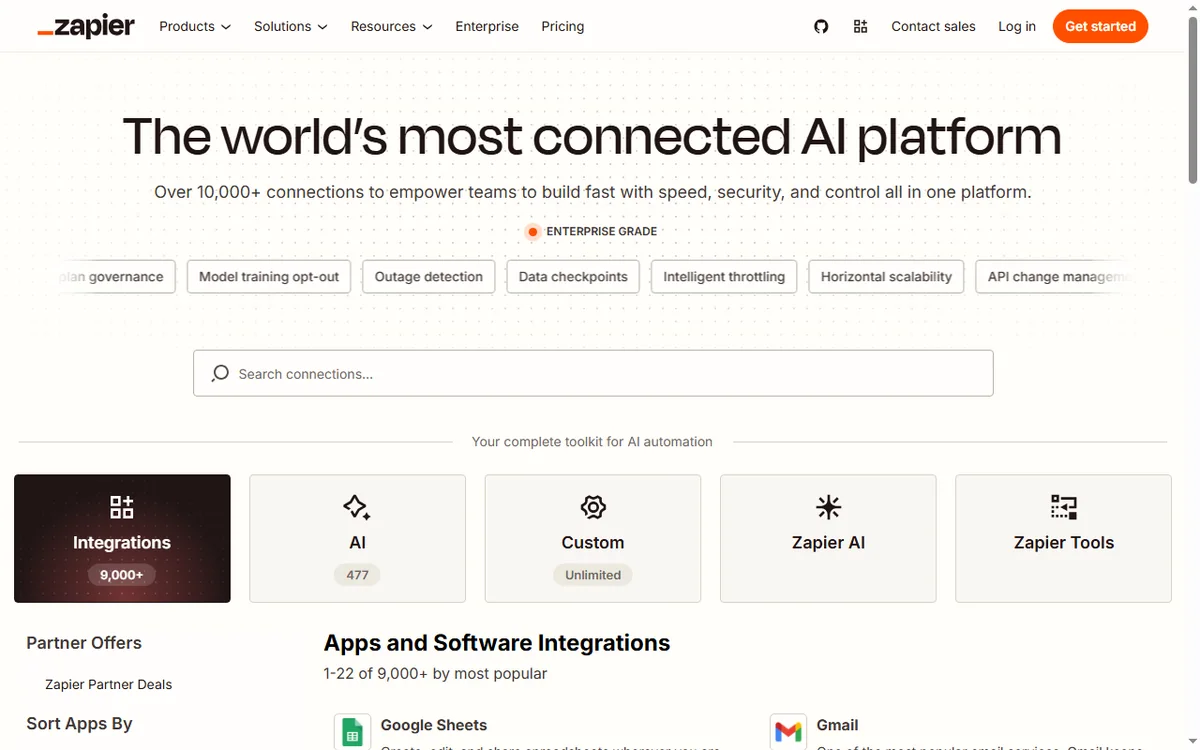
    Zapier app integrations page
    Zapier app integrations (image: zapier.com)

    Is it worth it?

    Zapier is priced for beginners connecting two apps quickly. If that is you, the entry tier usually pays for itself once you replace a couple of paid tools or save a few hours a week. If you only need one job done occasionally, a cheaper single-purpose tool may be enough.

    Zapier sign-up page
    Zapier sign-up screen (image: zapier.com)

    A cheaper way to start

    Begin on the lowest tier, watch your usage for a month, then upgrade only when a limit actually bites. That keeps the first three months cheap and gives you real data before you commit to an annual plan.

    Ready to try Zapier? Check current plans and pricing on the official site. Visit Zapier → (affiliate link)

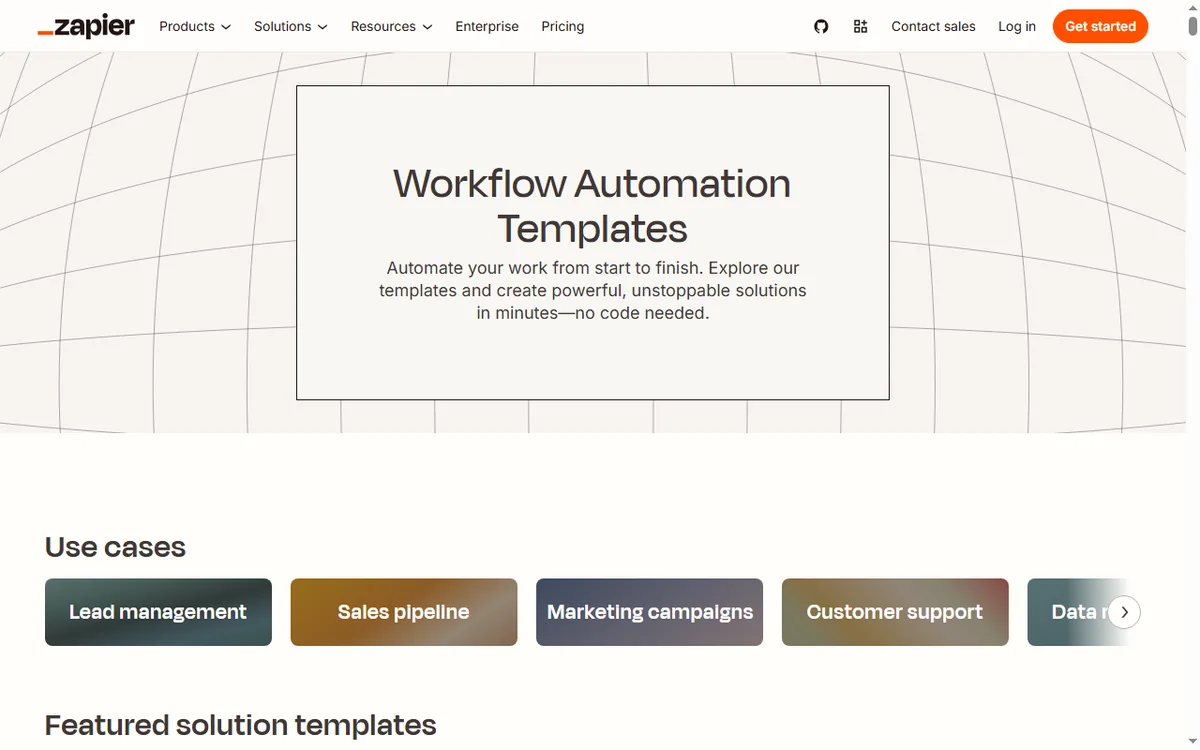
    Zapier templates page
    Zapier templates (image: zapier.com)

    Frequently asked questions

    How much does Zapier cost?

    Entry pricing is free; paid plans from about $19.99/mo. Higher tiers add volume, seats or features; check the official pricing page for current numbers.

    Does Zapier have a free plan?

    Yes. There is a free or free-to-start plan you can use to evaluate it before paying.

    Is there a discount for paying yearly?

    Most tools discount annual billing. Confirm the renewal price as well as the first-term price.

  • Make pricing explained (2026)

    Make pricing explained (2026)

    Home / Automation / Guides / Make pricing

    Pricing · Automation · updated 2026

    Make pricing explained (2026)

    A plain-English breakdown of what Make costs, what each tier includes, and the extras that quietly raise your bill.

    Make screenshot
    Make official site (image: make.com)

    Independent analysis. This page may contain affiliate links. Some links here are referral links; if you sign up through one we may earn a reward at no extra cost to you, and it never changes what we recommend. See our Affiliate Disclosure.

    TL;DR

    • Entry pricing: Free; paid plans from about $9/mo.
    • There is a free or free-to-start plan.
    • The biggest cost drivers are usage limits and per-seat pricing.
    • Always check the current price and renewal terms before you commit.
    Make pricing page
    Make pricing plans (image: make.com)

    What you pay for

    ItemDetail
    Starting priceFree; paid plans from about $9/mo
    Free planYes
    Best forteams that want visual control over complex workflows
    Typical upgradesMore volume, more seats, or more advanced features

    What changes the price

    • Usage or volume limits on the entry tier.
    • Extra seats or workspace members.
    • Add-on features billed separately.
    Make integrations page
    Make integrations (image: make.com)

    Is it worth it?

    Make is priced for teams that want visual control over complex workflows. If that is you, the entry tier usually pays for itself once you replace a couple of paid tools or save a few hours a week. If you only need one job done occasionally, a cheaper single-purpose tool may be enough.

    Make sign-up page
    Make sign-up screen (image: make.com)

    A cheaper way to start

    Begin on the lowest tier, watch your usage for a month, then upgrade only when a limit actually bites. That keeps the first three months cheap and gives you real data before you commit to an annual plan.

    Ready to try Make? Check current plans and pricing on the official site. Visit Make → (affiliate link)

    Make workflow templates page
    Make workflow templates (image: make.com)

    Frequently asked questions

    How much does Make cost?

    Entry pricing is free; paid plans from about $9/mo. Higher tiers add volume, seats or features; check the official pricing page for current numbers.

    Does Make have a free plan?

    Yes. There is a free or free-to-start plan you can use to evaluate it before paying.

    Is there a discount for paying yearly?

    Most tools discount annual billing. Confirm the renewal price as well as the first-term price.

    Related reading

  • Best Automation software for startups in 2026

    Best Automation software for startups in 2026

    Home / Automation / Guides / Automation software for startups

    Roundup · Automation · updated 2026

    Best Automation software for startups in 2026

    If you are early-stage startups, these are the automation tools worth your time, what each does best, and how to choose without overspending.

    Independent analysis. This page may contain affiliate links. Some links here are referral links; if you sign up through one we may earn a reward at no extra cost to you, and it never changes what we recommend. See our Affiliate Disclosure.

    TL;DR

    • 1. Make — teams that want visual control over complex workflows.
    • 2. Zapier — beginners connecting two apps quickly.
    • 3. n8n — technical teams that want control and privacy.
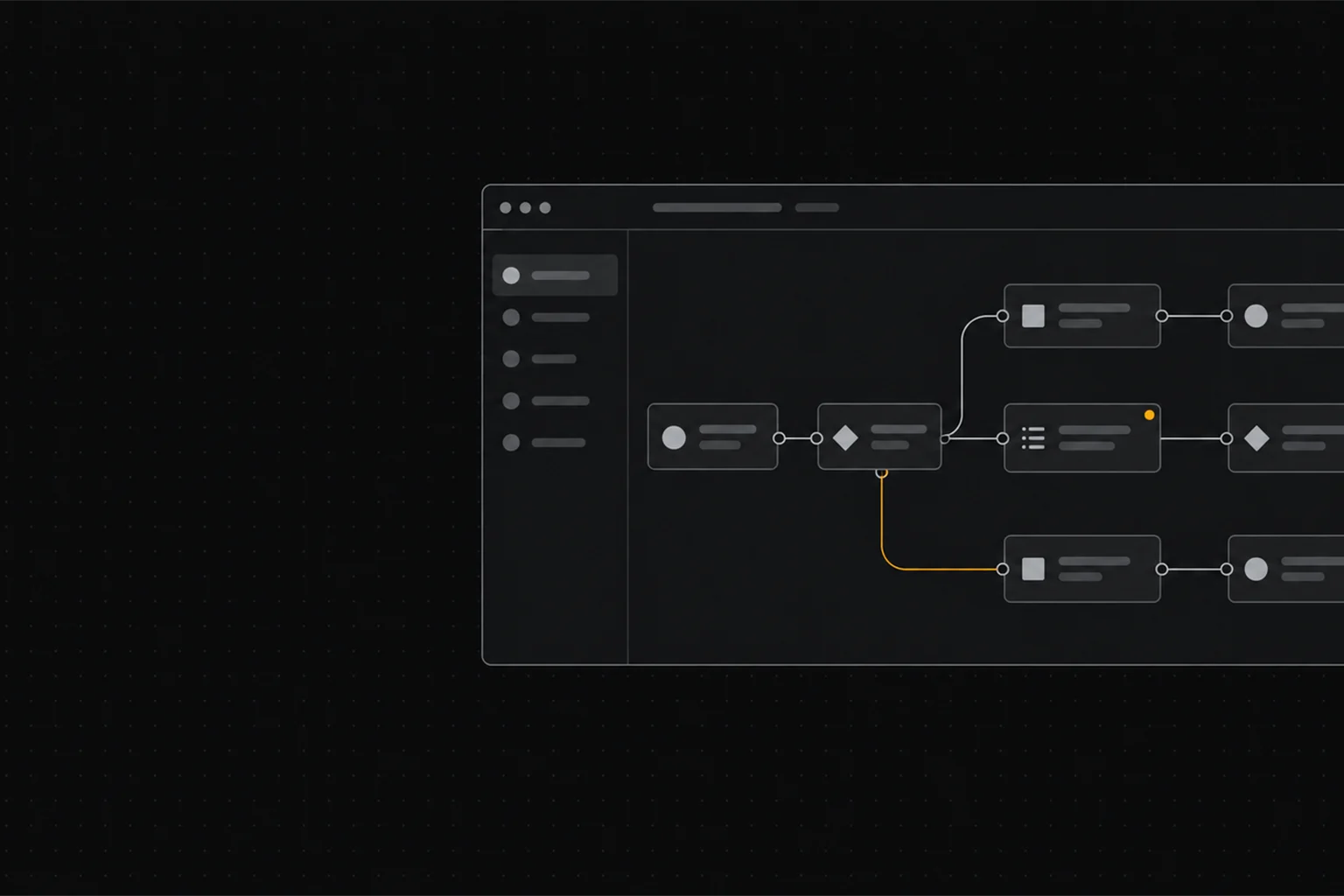
    Make homepage with a visual no-code automation canvas
    Make automation canvas (image: make.com)

    How we picked

    We weighed price against everyday usefulness, looked at how steep each tool is to learn, and checked how well it fits early-stage startups. We favour tools with clear pricing, a sensible entry plan, and room to grow.

    Make template gallery of ready-made automation scenarios
    Make templates (image: make.com)

    1. Make

    Visual, no-code automation for multi-step workflows.

    • Drag-and-drop scenario builder
    • Large app library plus HTTP and webhook modules
    • Cheaper than rivals at high operation counts

    Best for: teams that want visual control over complex workflows. Read the Make review.

    Zapier homepage for connecting apps with automated workflows
    Zapier (image: zapier.com)

    2. Zapier

    The widest app-to-app integration library for simple automations.

    • Thousands of app integrations
    • Simple trigger-and-action setup
    • Reliable for linear tasks

    Best for: beginners connecting two apps quickly. Read the Zapier review.

    n8n workflow editor for building self-hosted automations
    n8n workflows (image: n8n.io)

    3. n8n

    Open-source, self-hostable automation with code when you need it.

    • Self-host to control costs and data
    • Code nodes for custom logic
    • Fair-code licence

    Best for: technical teams that want control and privacy. Read the n8n review.

    Zapier pricing plans and monthly task limits
    Zapier pricing (image: zapier.com)

    Comparison

    ToolStarting priceFree planBest for
    MakeFree; paid plans from about $9/moYesteams that want visual control over complex workflows
    ZapierFree; paid plans from about $19.99/moYesbeginners connecting two apps quickly
    n8nSelf-host free; cloud from about $24/moYestechnical teams that want control and privacy
    Make pricing plans and operation limits
    Make pricing (image: make.com)

    How to choose for startups

    • Start with the smallest plan that covers your current volume.
    • Check the renewal price, not only the intro discount.
    • Prefer a tool that already integrates with what you use today.
    • Leave room to upgrade — switching costs more than upgrading.

    Ready to try Make? Check current plans and pricing on the official site. Visit Make → (affiliate link)

    Frequently asked questions

    What is the best automation tool for startups overall?

    For most early-stage startups, Make is the strongest all-round pick because it drag-and-drop scenario builder.

    Do I need to pay for automation software as startups?

    Several options here offer a free or low-cost entry plan, so you can start small and upgrade later.

    How often should I revisit my choice?

    Re-check once a year or whenever your volume, budget or team changes. Pricing and features move quickly.

    Related reading

  • Best Automation software for ecommerce stores in 2026

    Best Automation software for ecommerce stores in 2026

    Home / Automation / Guides / Automation software for ecommerce stores

    Roundup · Automation · updated 2026

    Best Automation software for ecommerce stores in 2026

    If you are ecommerce stores, these are the automation tools worth your time, what each does best, and how to choose without overspending.

    Independent analysis. This page may contain affiliate links. Some links here are referral links; if you sign up through one we may earn a reward at no extra cost to you, and it never changes what we recommend. See our Affiliate Disclosure.

    TL;DR

    • 1. Make — teams that want visual control over complex workflows.
    • 2. Zapier — beginners connecting two apps quickly.
    • 3. n8n — technical teams that want control and privacy.
    Make homepage with a visual no-code automation canvas
    Make automation canvas (image: make.com)

    How we picked

    We weighed price against everyday usefulness, looked at how steep each tool is to learn, and checked how well it fits ecommerce stores. We favour tools with clear pricing, a sensible entry plan, and room to grow.

    Make template gallery of ready-made automation scenarios
    Make templates (image: make.com)

    1. Make

    Visual, no-code automation for multi-step workflows.

    • Drag-and-drop scenario builder
    • Large app library plus HTTP and webhook modules
    • Cheaper than rivals at high operation counts

    Best for: teams that want visual control over complex workflows. Read the Make review.

    Zapier homepage for connecting apps with automated workflows
    Zapier (image: zapier.com)

    2. Zapier

    The widest app-to-app integration library for simple automations.

    • Thousands of app integrations
    • Simple trigger-and-action setup
    • Reliable for linear tasks

    Best for: beginners connecting two apps quickly. Read the Zapier review.

    n8n workflow editor for building self-hosted automations
    n8n workflows (image: n8n.io)

    3. n8n

    Open-source, self-hostable automation with code when you need it.

    • Self-host to control costs and data
    • Code nodes for custom logic
    • Fair-code licence

    Best for: technical teams that want control and privacy. Read the n8n review.

    Zapier pricing plans and monthly task limits
    Zapier pricing (image: zapier.com)

    Comparison

    ToolStarting priceFree planBest for
    MakeFree; paid plans from about $9/moYesteams that want visual control over complex workflows
    ZapierFree; paid plans from about $19.99/moYesbeginners connecting two apps quickly
    n8nSelf-host free; cloud from about $24/moYestechnical teams that want control and privacy
    Make pricing plans and operation limits
    Make pricing (image: make.com)

    How to choose for ecommerce stores

    • Start with the smallest plan that covers your current volume.
    • Check the renewal price, not only the intro discount.
    • Prefer a tool that already integrates with what you use today.
    • Leave room to upgrade — switching costs more than upgrading.

    Ready to try Make? Check current plans and pricing on the official site. Visit Make → (affiliate link)

    Frequently asked questions

    What is the best automation tool for ecommerce stores overall?

    For most ecommerce stores, Make is the strongest all-round pick because it drag-and-drop scenario builder.

    Do I need to pay for automation software as ecommerce stores?

    Several options here offer a free or low-cost entry plan, so you can start small and upgrade later.

    How often should I revisit my choice?

    Re-check once a year or whenever your volume, budget or team changes. Pricing and features move quickly.

    Related reading

  • Best Automation software for agencies in 2026

    Best Automation software for agencies in 2026

    Home / Automation / Guides / Automation software for agencies

    Roundup · Automation · updated 2026

    Best Automation software for agencies in 2026

    If you are digital and marketing agencies, these are the automation tools worth your time, what each does best, and how to choose without overspending.

    Independent analysis. This page may contain affiliate links. Some links here are referral links; if you sign up through one we may earn a reward at no extra cost to you, and it never changes what we recommend. See our Affiliate Disclosure.

    TL;DR

    • 1. Make — teams that want visual control over complex workflows.
    • 2. Zapier — beginners connecting two apps quickly.
    • 3. n8n — technical teams that want control and privacy.
    Make homepage with a visual no-code automation canvas
    Make automation canvas (image: make.com)

    How we picked

    We weighed price against everyday usefulness, looked at how steep each tool is to learn, and checked how well it fits digital and marketing agencies. We favour tools with clear pricing, a sensible entry plan, and room to grow.

    Make template gallery of ready-made automation scenarios
    Make templates (image: make.com)

    1. Make

    Visual, no-code automation for multi-step workflows.

    • Drag-and-drop scenario builder
    • Large app library plus HTTP and webhook modules
    • Cheaper than rivals at high operation counts

    Best for: teams that want visual control over complex workflows. Read the Make review.

    Zapier homepage for connecting apps with automated workflows
    Zapier (image: zapier.com)

    2. Zapier

    The widest app-to-app integration library for simple automations.

    • Thousands of app integrations
    • Simple trigger-and-action setup
    • Reliable for linear tasks

    Best for: beginners connecting two apps quickly. Read the Zapier review.

    n8n workflow editor for building self-hosted automations
    n8n workflows (image: n8n.io)

    3. n8n

    Open-source, self-hostable automation with code when you need it.

    • Self-host to control costs and data
    • Code nodes for custom logic
    • Fair-code licence

    Best for: technical teams that want control and privacy. Read the n8n review.

    Zapier pricing plans and monthly task limits
    Zapier pricing (image: zapier.com)

    Comparison

    ToolStarting priceFree planBest for
    MakeFree; paid plans from about $9/moYesteams that want visual control over complex workflows
    ZapierFree; paid plans from about $19.99/moYesbeginners connecting two apps quickly
    n8nSelf-host free; cloud from about $24/moYestechnical teams that want control and privacy
    Make pricing plans and operation limits
    Make pricing (image: make.com)

    How to choose for agencies

    • Start with the smallest plan that covers your current volume.
    • Check the renewal price, not only the intro discount.
    • Prefer a tool that already integrates with what you use today.
    • Leave room to upgrade — switching costs more than upgrading.

    Ready to try Make? Check current plans and pricing on the official site. Visit Make → (affiliate link)

    Frequently asked questions

    What is the best automation tool for agencies overall?

    For most digital and marketing agencies, Make is the strongest all-round pick because it drag-and-drop scenario builder.

    Do I need to pay for automation software as agencies?

    Several options here offer a free or low-cost entry plan, so you can start small and upgrade later.

    How often should I revisit my choice?

    Re-check once a year or whenever your volume, budget or team changes. Pricing and features move quickly.

    Related reading

  • n8n vs Pabbly Connect: which is better in 2026?

    n8n vs Pabbly Connect: which is better in 2026?

    Home / Automation / Guides / n8n vs Pabbly Connect

    Comparison · Automation · updated 2026

    n8n vs Pabbly Connect: which is better in 2026?

    Choosing between n8n and Pabbly Connect? Here is a side-by-side look at pricing, strengths and fit, so you can pick the right one in a few minutes.

    n8n screenshot
    n8n official site (image: n8n.io)

    Independent analysis. This page may contain affiliate links. Some links here are referral links; if you sign up through one we may earn a reward at no extra cost to you, and it never changes what we recommend. See our Affiliate Disclosure.

    TL;DR

    • n8n is a better fit for technical teams that want control and privacy.
    • Pabbly Connect is a better fit for budget-conscious users with high task volume.
    • Pick n8n when self-hosting flexibility matters most to you.
    • Pick Pabbly Connect when flat-rate pricing matters most to you.

    At a glance

    Featuren8nPabbly Connect
    Starting priceSelf-host free; cloud from about $24/moFree; paid plans from about $16/mo
    Free planYesYes
    Best fortechnical teams that want control and privacybudget-conscious users with high task volume
    Standout strengthself-hosting flexibilityflat-rate pricing
    Main trade-offSelf-hosting needs technical skillSmaller integration library
    n8n workflow templates library
    n8n workflows (image: n8n.io)

    n8n in brief

    Open-source, self-hostable automation with code when you need it.

    • Pros: Self-host to control costs and data; Code nodes for custom logic; Fair-code licence
    • Cons: Self-hosting needs technical skill; The cloud plan is newer; Docs assume some coding
    • Review: n8n review
    Pabbly Connect home page
    Pabbly Connect (image: pabbly.com)

    Pabbly Connect in brief

    Flat-rate automation with unlimited tasks on paid plans.

    • Pros: Unlimited tasks on paid tiers; Lower cost than task-based rivals; Supports multi-step workflows
    • Cons: Smaller integration library; Interface is less polished; Some apps lag behind
    • Review: Pabbly Connect review

    Where each one falls short

    n8n

    • Self-hosting needs technical skill
    • The cloud plan is newer
    • Docs assume some coding

    Pabbly Connect

    • Smaller integration library
    • Interface is less polished
    • Some apps lag behind
    n8n pricing and plans
    n8n pricing (image: n8n.io)

    Which should you choose?

    Choose n8n if you are technical teams that want control and privacy, or you value self-hosting flexibility.

    Choose Pabbly Connect if you are budget-conscious users with high task volume, or you value flat-rate pricing.

    You can also use both together: n8n and Pabbly Connect connect through native integrations, so many teams run one for self-hosting flexibility and the other for flat-rate pricing. Start with the one that matches your budget and workflow, and add the second when a clear gap appears.

    Compare on the official sites before you buy. n8n →  |  Pabbly Connect → (affiliate links)

    Frequently asked questions

    Is n8n better than Pabbly Connect?

    There is no universal winner. n8n leads on self-hosting flexibility, while Pabbly Connect leads on flat-rate pricing. Match the tool to your budget and workflow.

    Is Pabbly Connect cheaper than n8n?

    On published pricing, n8n starts at self-host free; cloud from about $24/mo and Pabbly Connect starts at free; paid plans from about $16/mo. Always check current pricing and renewal rates.

    Can I use n8n and Pabbly Connect together?

    Yes. Both offer integrations and APIs, so you can run them side by side and send data between them.

    Related reading

  • Zapier vs Pabbly Connect: which is better in 2026?

    Zapier vs Pabbly Connect: which is better in 2026?

    Home / Automation / Guides / Zapier vs Pabbly Connect

    Comparison · Automation · updated 2026

    Zapier vs Pabbly Connect: which is better in 2026?

    Choosing between Zapier and Pabbly Connect? Here is a side-by-side look at pricing, strengths and fit, so you can pick the right one in a few minutes.

    Zapier screenshot
    Zapier official site (image: zapier.com)

    Independent analysis. This page may contain affiliate links. Some links here are referral links; if you sign up through one we may earn a reward at no extra cost to you, and it never changes what we recommend. See our Affiliate Disclosure.

    TL;DR

    • Zapier is a better fit for beginners connecting two apps quickly.
    • Pabbly Connect is a better fit for budget-conscious users with high task volume.
    • Pick Zapier when breadth of integrations matters most to you.
    • Pick Pabbly Connect when flat-rate pricing matters most to you.

    At a glance

    FeatureZapierPabbly Connect
    Starting priceFree; paid plans from about $19.99/moFree; paid plans from about $16/mo
    Free planYesYes
    Best forbeginners connecting two apps quicklybudget-conscious users with high task volume
    Standout strengthbreadth of integrationsflat-rate pricing
    Main trade-offGets pricey as task volume growsSmaller integration library
    Zapier app integrations directory
    Zapier integrations (image: zapier.com)

    Zapier in brief

    The widest app-to-app integration library for simple automations.

    • Pros: Thousands of app integrations; Simple trigger-and-action setup; Reliable for linear tasks
    • Cons: Gets pricey as task volume grows; Multi-step logic is awkward; The free plan is very limited
    • Review: Zapier review
    Pabbly Connect home page
    Pabbly Connect (image: pabbly.com)

    Pabbly Connect in brief

    Flat-rate automation with unlimited tasks on paid plans.

    • Pros: Unlimited tasks on paid tiers; Lower cost than task-based rivals; Supports multi-step workflows
    • Cons: Smaller integration library; Interface is less polished; Some apps lag behind
    • Review: Pabbly Connect review

    Where each one falls short

    Zapier

    • Gets pricey as task volume grows
    • Multi-step logic is awkward
    • The free plan is very limited

    Pabbly Connect

    • Smaller integration library
    • Interface is less polished
    • Some apps lag behind
    Zapier pricing and plans
    Zapier pricing (image: zapier.com)

    Which should you choose?

    Choose Zapier if you are beginners connecting two apps quickly, or you value breadth of integrations.

    Choose Pabbly Connect if you are budget-conscious users with high task volume, or you value flat-rate pricing.

    You can also use both together: Zapier and Pabbly Connect connect through native integrations, so many teams run one for breadth of integrations and the other for flat-rate pricing. Start with the one that matches your budget and workflow, and add the second when a clear gap appears.

    Compare on the official sites before you buy. Zapier →  |  Pabbly Connect → (affiliate links)

    Frequently asked questions

    Is Zapier better than Pabbly Connect?

    There is no universal winner. Zapier leads on breadth of integrations, while Pabbly Connect leads on flat-rate pricing. Match the tool to your budget and workflow.

    Is Pabbly Connect cheaper than Zapier?

    On published pricing, Zapier starts at free; paid plans from about $19.99/mo and Pabbly Connect starts at free; paid plans from about $16/mo. Always check current pricing and renewal rates.

    Can I use Zapier and Pabbly Connect together?

    Yes. Both offer integrations and APIs, so you can run them side by side and send data between them.

    Related reading

  • Zapier vs n8n: which is better in 2026?

    Zapier vs n8n: which is better in 2026?

    Home / Automation / Guides / Zapier vs n8n

    Comparison · Automation · updated 2026

    Zapier vs n8n: which is better in 2026?

    Choosing between Zapier and n8n? Here is a side-by-side look at pricing, strengths and fit, so you can pick the right one in a few minutes.

    Zapier screenshot
    Zapier official site (image: zapier.com)

    Independent analysis. This page may contain affiliate links. Some links here are referral links; if you sign up through one we may earn a reward at no extra cost to you, and it never changes what we recommend. See our Affiliate Disclosure.

    TL;DR

    • Zapier is a better fit for beginners connecting two apps quickly.
    • n8n is a better fit for technical teams that want control and privacy.
    • Pick Zapier when breadth of integrations matters most to you.
    • Pick n8n when self-hosting flexibility matters most to you.

    At a glance

    FeatureZapiern8n
    Starting priceFree; paid plans from about $19.99/moSelf-host free; cloud from about $24/mo
    Free planYesYes
    Best forbeginners connecting two apps quicklytechnical teams that want control and privacy
    Standout strengthbreadth of integrationsself-hosting flexibility
    Main trade-offGets pricey as task volume growsSelf-hosting needs technical skill
    Zapier app templates library
    Zapier templates (image: zapier.com)

    Zapier in brief

    The widest app-to-app integration library for simple automations.

    • Pros: Thousands of app integrations; Simple trigger-and-action setup; Reliable for linear tasks
    • Cons: Gets pricey as task volume grows; Multi-step logic is awkward; The free plan is very limited
    • Review: Zapier review
    n8n workflow automation home page
    n8n (image: n8n.io)

    n8n in brief

    Open-source, self-hostable automation with code when you need it.

    • Pros: Self-host to control costs and data; Code nodes for custom logic; Fair-code licence
    • Cons: Self-hosting needs technical skill; The cloud plan is newer; Docs assume some coding
    • Review: n8n review

    Where each one falls short

    Zapier

    • Gets pricey as task volume grows
    • Multi-step logic is awkward
    • The free plan is very limited

    n8n

    • Self-hosting needs technical skill
    • The cloud plan is newer
    • Docs assume some coding
    Zapier pricing and plans
    Zapier pricing (image: zapier.com)

    Which should you choose?

    Choose Zapier if you are beginners connecting two apps quickly, or you value breadth of integrations.

    Choose n8n if you are technical teams that want control and privacy, or you value self-hosting flexibility.

    You can also use both together: Zapier and n8n connect through native integrations, so many teams run one for breadth of integrations and the other for self-hosting flexibility. Start with the one that matches your budget and workflow, and add the second when a clear gap appears.

    Compare on the official sites before you buy. Zapier →  |  n8n → (affiliate links)

    Frequently asked questions

    Is Zapier better than n8n?

    There is no universal winner. Zapier leads on breadth of integrations, while n8n leads on self-hosting flexibility. Match the tool to your budget and workflow.

    Is n8n cheaper than Zapier?

    On published pricing, Zapier starts at free; paid plans from about $19.99/mo and n8n starts at self-host free; cloud from about $24/mo. Always check current pricing and renewal rates.

    Can I use Zapier and n8n together?

    Yes. Both offer integrations and APIs, so you can run them side by side and send data between them.

    Related reading