
Home / SEO Tools / Guides / What is Semrush
Knowledge · seo tools · updated October 8, 2026
What is Semrush?
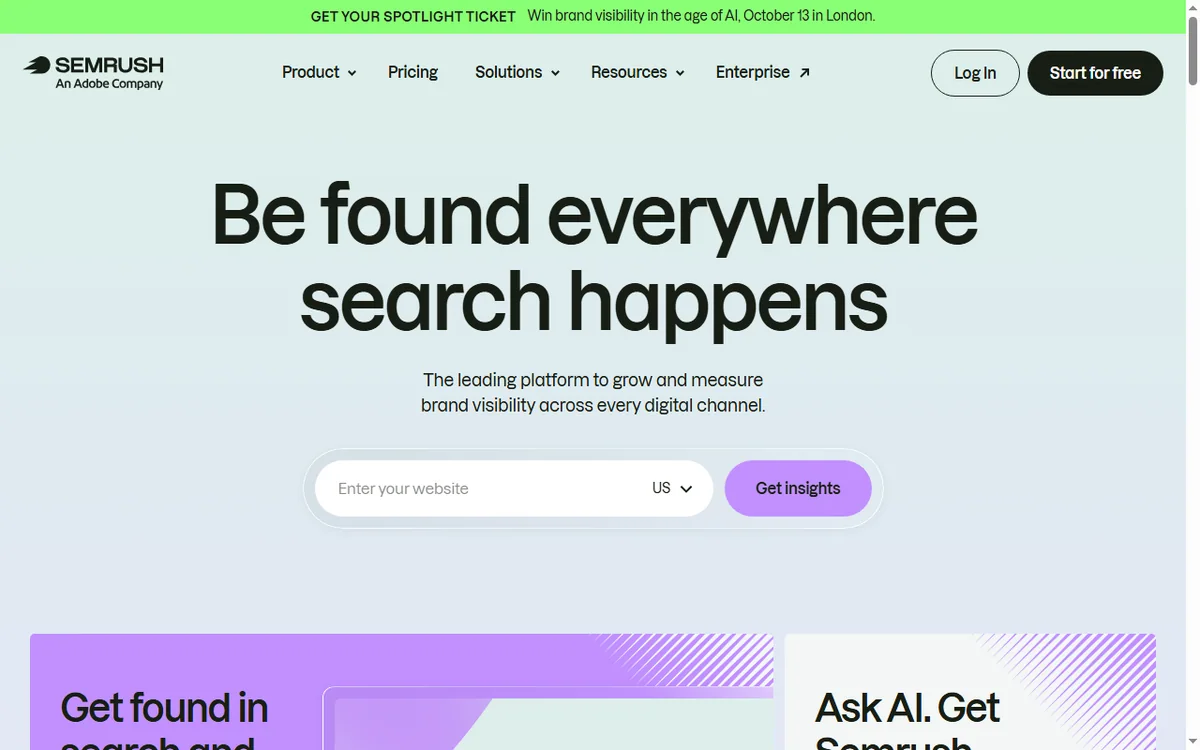
Semrush is an SEO and marketing toolkit: it collects data about search, competitors and ads, then lets you query it. This guide explains what it is for, how the main tools fit together, and when a suite earns its price.
Independent analysis. This page may contain affiliate links. Some links here are referral links; if you sign up through one we may earn a reward at no extra cost to you, and it never changes what we recommend. We are an independent publisher and are not affiliated with, endorsed by, or an official partner of any tool mentioned. See our Affiliate Disclosure.
TL;DR
- Semrush is a data suite, not a single tool: keyword, competitor, backlink and audit data in one account.
- Its value is breadth of data plus the ability to compare your site with competitors.
- Beginners can start with keyword research and the site audit.
- Data is an estimate, not gospel; always sanity-check against reality.
- Confirm current limits and pricing on Semrush’s own pricing page.
On this page: What Semrush is · The main toolkits · How the data fits together · When it is worth it · What the data is not · Where this fits
What Semrush is
Semrush gathers SEO and marketing data — keywords, competitor rankings, backlinks, ad copy — and serves it through dashboards and reports. You are paying for access to a large, maintained dataset plus the interface to query it.
That framing matters: the product is the data and the workflow around it, not a single magic number.
The main toolkits
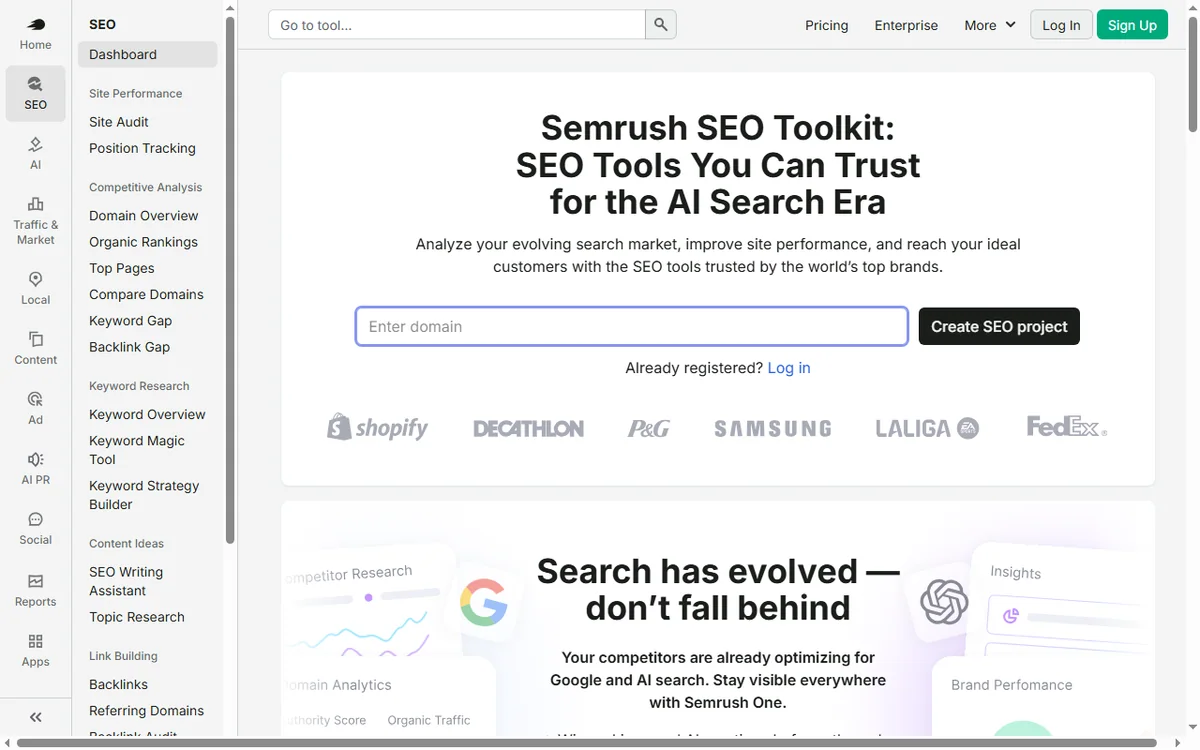
- Keyword research — volume, difficulty and related terms for a topic.
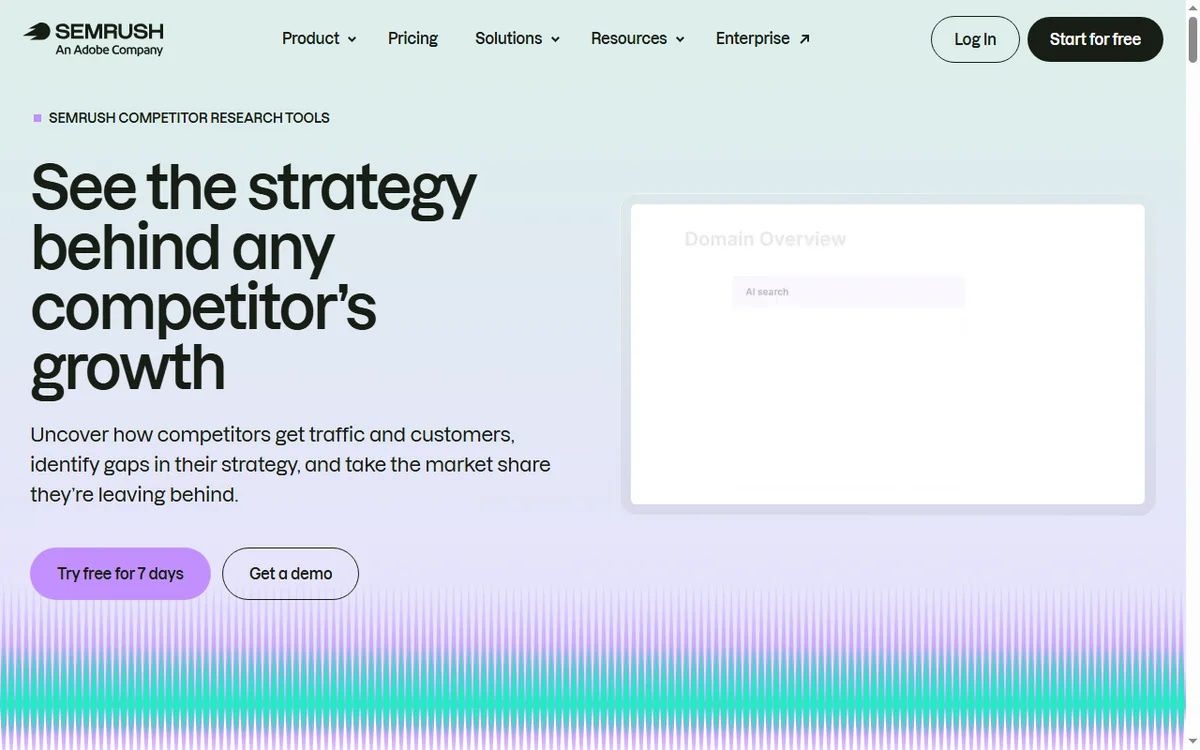
- Competitor analysis — which terms and pages a rival ranks for.
- Backlink analytics — the links pointing at a site.
- Site audit — technical problems on your own site.
- Position tracking — how your rankings move over time.
- Advertising research — the paid side of the same picture.

How the data fits together
The suite is useful because the same underlying data can be sliced several ways. A keyword you find in research is the same term you track in positions and audit on your pages; a competitor you study gives you both content gaps and ad angles.
| Question Toolkit What you get | ||
|---|---|---|
| What should I write about? | Keyword research | Demand and difficulty |
| Why does a rival outrank me? | Competitor analysis | Their winning pages and terms |
| Who links to my competitors? | Backlink analytics | Link prospects |
| What is broken on my site? | Site audit | Technical issues to fix |
| Am I improving? | Position tracking | Ranking movement over time |
When it is worth it
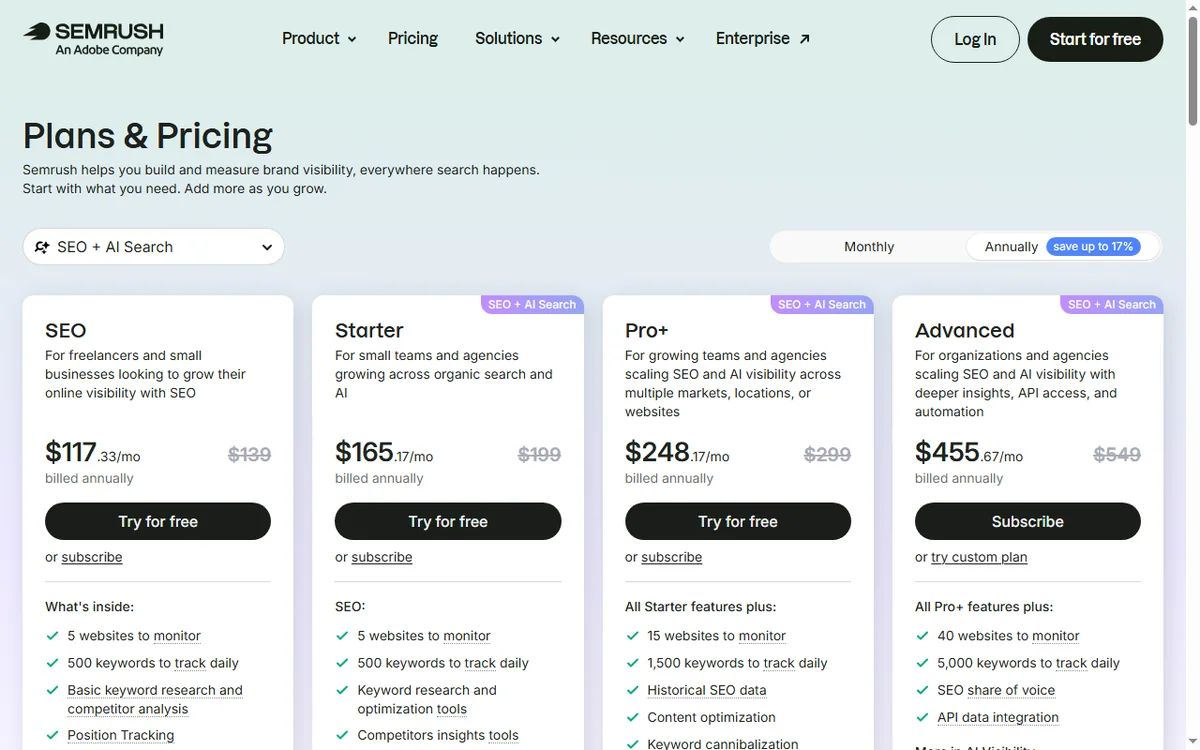
A suite pays off when you have enough SEO work to make the breadth useful: several sites, an ongoing content plan, or clients. If you only need one thing occasionally, a narrower tool can be enough.
For a small business, the common entry points are keyword research and the site audit. Start there and expand into competitors once you have a rhythm.
What the data is not
Keyword volumes and difficulties are estimates built from panels and modelling; treat them as directional. Rankings and backlinks are snapshots that update on a schedule, not in real time.
Use the numbers to prioritise, then verify what matters against your own analytics and search console before you commit budget.

Where this fits in your wider stack
Read the independent Semrush review and start from the SEO tools hub. Planning cost? See the Semrush pricing guide. For a shortlist, read best SEO tools for small business and the on-page SEO guide.
Frequently asked
Is Semrush for beginners?
You can start with keyword research and the site audit, which are the most intuitive toolkits. The suite reveals more depth as you use it.
Do I need Semrush to do SEO?
No. You can do a lot with free tools and search console. A suite helps when you need competitor and backlink data at scale.
Is the keyword data exact?
It is estimated from panels and modelling, so treat volumes as directional rather than precise.
What is the best first tool?
Keyword research for planning content, or the site audit if you need to fix technical problems first.
Put real search data behind your next content plan
Start with keyword research and a site audit, then widen into competitor data.
Referral link — we may earn a reward if you sign up, at no extra cost to you. We are an independent publisher. See our Affiliate Disclosure.
Leave a Reply