Home / Payments / Guides / What is PayPal
Knowledge · payments · updated October 9, 2026
What is PayPal?
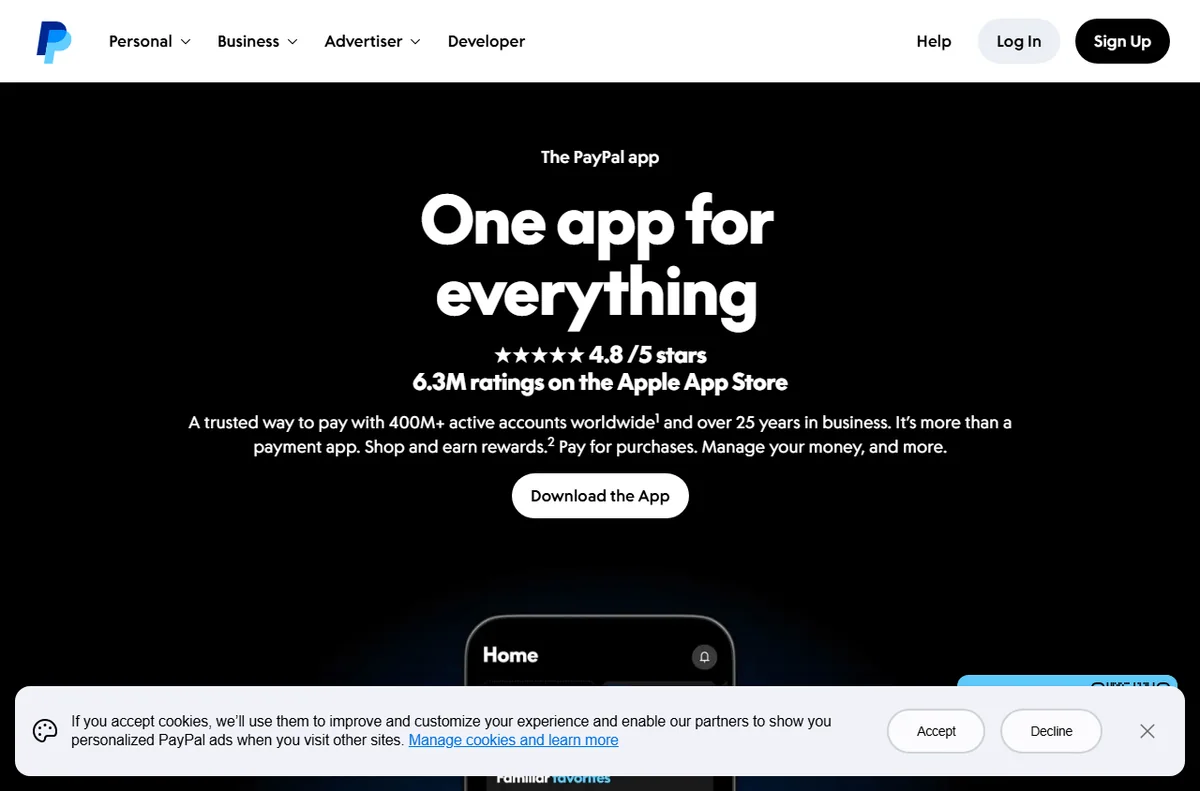
PayPal is an online payment service used to send and receive money, pay for things online, and accept payments for a business. This guide explains what it is and how the main pieces fit together.
Independent analysis. This page may contain affiliate links. If you sign up through a link on this page we may earn a reward at no extra cost to you, and it never changes what we recommend. We are an independent publisher and are not affiliated with, endorsed by, or an official partner of any tool mentioned. See our Affiliate Disclosure.
TL;DR
- PayPal moves money between people and businesses online.
- A personal account sends and receives; a business account sells.
- Buyers can pay with a balance, a linked card or a bank account.
- Fees and holds depend on your account, your country and the payment.
- It is not a bank account, and it is not a full accounting system.
On this page: What PayPal is · How a payment flows · What it is good at · What it is not · Concept cheat sheet · Where this fits
What PayPal is
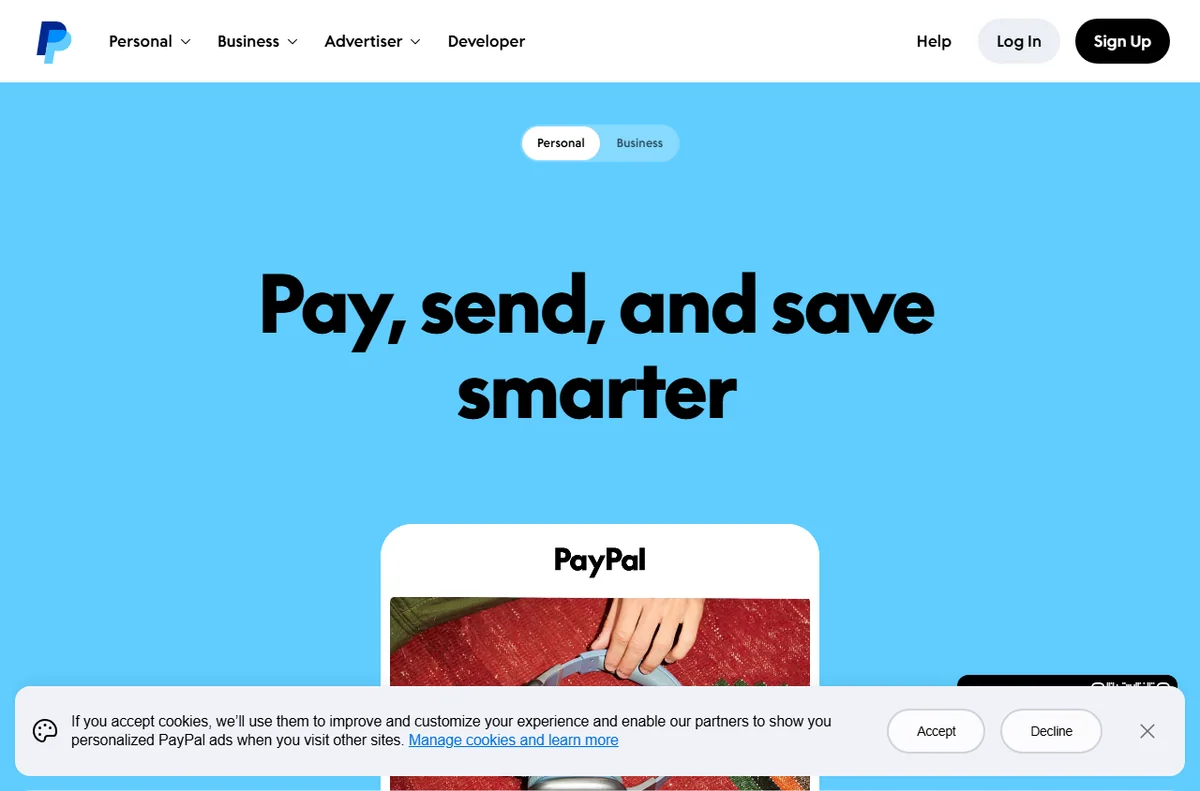
PayPal is a payment service that sits between a payer and a payee. Instead of sharing bank details directly, both sides use a PayPal account, and the service moves the money and records the transaction.
It is used in two broad ways: people sending money to each other, and businesses accepting payment from customers online. The same account can do both, though a business account is designed for selling.
Because it acts as an intermediary, PayPal also handles the awkward parts of online payment, such as currency conversion, buyer protection and the dispute process when something goes wrong.

How a payment flows
At checkout, the buyer chooses PayPal and either signs in or pays as a guest using a card. The money leaves their chosen funding source and arrives in the seller’s PayPal balance.
From there the seller can hold the balance, spend it, or withdraw it to a linked bank account. Withdrawals usually take a little longer than the payment itself, and timing varies by country.
Fees are charged on the transaction and, in some cases, on the conversion between currencies. Because rates and rules change, always check the current fees on PayPal’s own page.

What PayPal is good at
- Accepting payments online without building your own card handling.
- Sending money between people quickly and widely recognised.
- Working across many countries and currencies.
- Adding a layer of buyer protection to online purchases.
What PayPal is not
- Not a bank account, and not covered by the same protections as one.
- Not a full accounting system for bookkeeping or tax.
- Not fee-free: charges apply to most business transactions.
- Not guaranteed instant, since withdrawals and holds can take time.
Concept cheat sheet
| Concept | Meaning | Why it matters |
|---|---|---|
| Balance | Money held inside PayPal | Where funds sit before withdrawal |
| Personal account | An account for sending and receiving | Not built for regular selling |
| Business account | An account designed for selling | Better tools for merchants |
| Invoice | A request for payment you can send | A simple way to bill a customer |
| Fee | What PayPal charges on a payment | Affects what you actually receive |
Where this fits
Start with the payments hub. To compare options read Wise vs PayPal, and for the practical steps see how to set up PayPal or how to use PayPal for a small business.
Frequently asked
Do I need an account to pay?
Not always. Many merchants accept guest payments by card, but an account makes sending money and tracking transactions easier.
Is my money safe in PayPal?
It is a regulated payment service with its own protections, but it is not a bank account. Understand both before you keep a large balance there.
How long do withdrawals take?
It varies by country and method, and can range from near-instant to a few business days. Check the current times on PayPal’s own page.
Does PayPal charge fees?
Yes, on most business transactions, and sometimes on currency conversion. Rates change, so check the current fees before you rely on them.
Can I use PayPal for a business?
Yes. A business account is built for selling, and it adds tools that a personal account does not include.
Get paid with PayPal
Send, receive and accept payments online.
Some links on this page may be referral links — we may earn a reward if you sign up, at no extra cost to you. We are an independent publisher. See our Affiliate Disclosure.
Leave a Reply