We’re reader-supported — some links are affiliate links. Learn more →

Skip to content

Independent software research. Some links may earn us a commission at no extra cost to you. Learn more →

ICode

Tag: small-business

  • Hostinger pricing explained (2026)

    Hostinger pricing explained (2026)

    Home / Web Hosting / Guides / Hostinger pricing

    Pricing · Web Hosting · updated 2026

    Hostinger pricing explained (2026)

    A plain-English breakdown of what Hostinger costs, what each tier includes, and the extras that quietly raise your bill.

    Hostinger screenshot
    Hostinger official site (image: hostinger.com)

    Independent analysis. This page may contain affiliate links. Some links here are referral links; if you sign up through one we may earn a reward at no extra cost to you, and it never changes what we recommend. See our Affiliate Disclosure.

    TL;DR

    • Entry pricing: From about $2.99/mo.
    • There is no permanent free plan.
    • The biggest cost drivers are usage limits and per-seat pricing.
    • Always check the current price and renewal terms before you commit.
    Hostinger pricing plans
    Hostinger pricing (image: hostinger.com)

    What you pay for

    ItemDetail
    Starting priceFrom about $2.99/mo
    Free planNo
    Best forfirst websites and small budgets
    Typical upgradesMore volume, more seats, or more advanced features

    What changes the price

    • Usage or volume limits on the entry tier.
    • Extra seats or workspace members.
    • Add-on features billed separately.
    Hostinger managed WordPress hosting
    Hostinger WordPress (image: hostinger.com)

    Is it worth it?

    Hostinger is priced for first websites and small budgets. If that is you, the entry tier usually pays for itself once you replace a couple of paid tools or save a few hours a week. If you only need one job done occasionally, a cheaper single-purpose tool may be enough.

    Hostinger account login
    Hostinger login (image: hostinger.com)

    A cheaper way to start

    Begin on the lowest tier, watch your usage for a month, then upgrade only when a limit actually bites. That keeps the first three months cheap and gives you real data before you commit to an annual plan.

    Ready to try Hostinger? Check current plans and pricing on the official site. Visit Hostinger → (affiliate link)

    Hostinger tutorials and help center
    Hostinger tutorials (image: hostinger.com)

    Frequently asked questions

    How much does Hostinger cost?

    Entry pricing is from about $2.99/mo. Higher tiers add volume, seats or features; check the official pricing page for current numbers.

    Does Hostinger have a free plan?

    No permanent free plan; there is usually a trial instead.

    Is there a discount for paying yearly?

    Most tools discount annual billing. Confirm the renewal price as well as the first-term price.

    Related reading

  • MailerLite vs EmailOctopus: which is better in 2026?

    MailerLite vs EmailOctopus: which is better in 2026?

    Home / Email Marketing / Guides / MailerLite vs EmailOctopus

    Comparison · Email Marketing · updated 2026

    MailerLite vs EmailOctopus: which is better in 2026?

    Choosing between MailerLite and EmailOctopus? Here is a side-by-side look at pricing, strengths and fit, so you can pick the right one in a few minutes.

    MailerLite screenshot
    MailerLite official site (image: mailerlite.com)

    Independent analysis. This page may contain affiliate links. Some links here are referral links; if you sign up through one we may earn a reward at no extra cost to you, and it never changes what we recommend. See our Affiliate Disclosure.

    TL;DR

    • MailerLite is a better fit for beginners and small lists on a budget.
    • EmailOctopus is a better fit for budget senders with simple needs.
    • Pick MailerLite when free-plan value matters most to you.
    • Pick EmailOctopus when cheapest at scale matters most to you.

    At a glance

    FeatureMailerLiteEmailOctopus
    Starting priceFree; paid plans from about $10/moFree plan; paid plans from about $9/mo
    Free planYesYes
    Best forbeginners and small lists on a budgetbudget senders with simple needs
    Standout strengthfree-plan valuecheapest at scale
    Main trade-offAutomation is less advanced than rivalsBasic automation
    MailerLite automation workflow builder
    MailerLite automation (image: mailerlite.com)

    MailerLite in brief

    Beginner-friendly email marketing with a generous free plan.

    • Pros: Free plan for up to 1,000 subscribers; Clean drag-and-drop builder; Easy automation builder
    • Cons: Automation is less advanced than rivals; Fewer integrations; Deliverability add-ons cost more
    • Review: MailerLite review
    EmailOctopus homepage
    EmailOctopus homepage (image: emailoctopus.com)

    EmailOctopus in brief

    Low-cost email marketing powered by Amazon SES.

    • Pros: Very competitive pricing; Simple, clean interface; Good deliverability via SES
    • Cons: Basic automation; Fewer integrations; Limited reporting
    • Review: EmailOctopus review

    Where each one falls short

    MailerLite

    • Automation is less advanced than rivals
    • Fewer integrations
    • Deliverability add-ons cost more

    EmailOctopus

    • Basic automation
    • Fewer integrations
    • Limited reporting
    MailerLite pricing plans
    MailerLite pricing (image: mailerlite.com)

    Which should you choose?

    Choose MailerLite if you are beginners and small lists on a budget, or you value free-plan value.

    Choose EmailOctopus if you are budget senders with simple needs, or you value cheapest at scale.

    You can also use both together: MailerLite and EmailOctopus connect through native integrations, so many teams run one for free-plan value and the other for cheapest at scale. Start with the one that matches your budget and workflow, and add the second when a clear gap appears.

    Compare on the official sites before you buy. MailerLite →  |  EmailOctopus → (affiliate links)

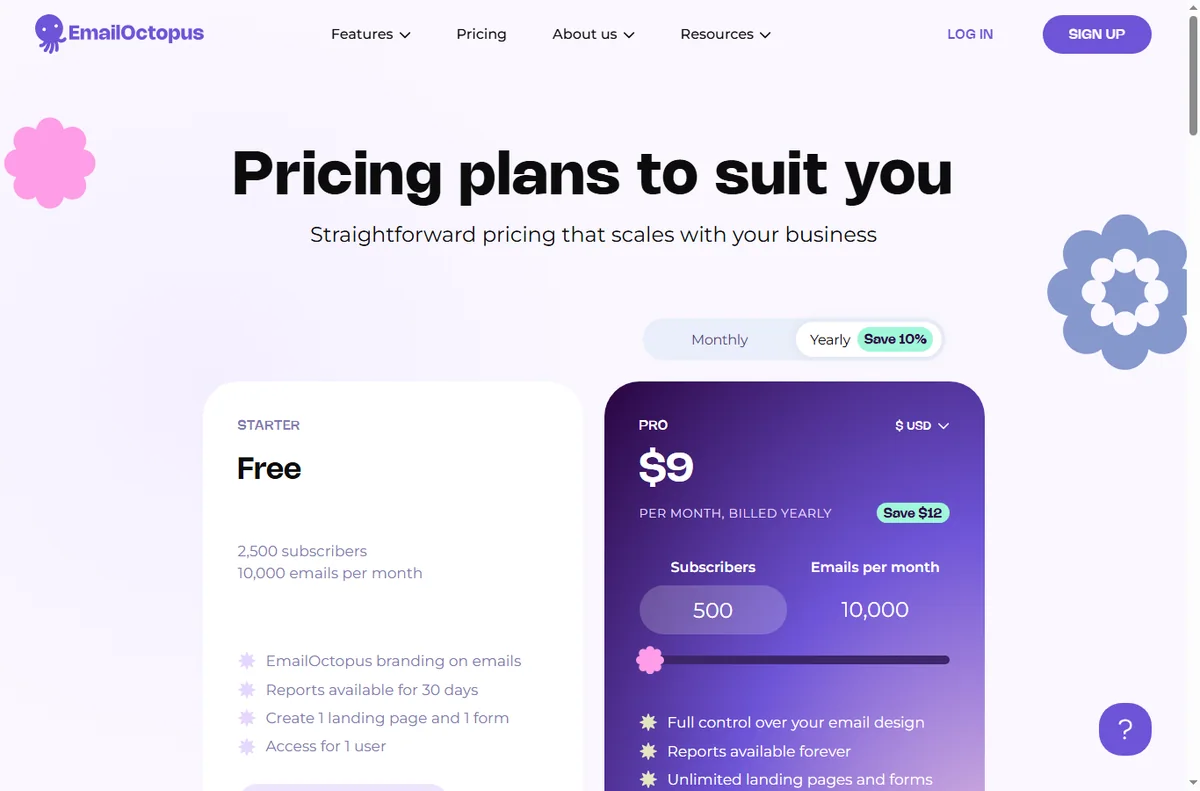
    EmailOctopus pricing tiers
    EmailOctopus pricing (image: emailoctopus.com)

    Frequently asked questions

    Is MailerLite better than EmailOctopus?

    There is no universal winner. MailerLite leads on free-plan value, while EmailOctopus leads on cheapest at scale. Match the tool to your budget and workflow.

    Is EmailOctopus cheaper than MailerLite?

    On published pricing, MailerLite starts at free; paid plans from about $10/mo and EmailOctopus starts at free plan; paid plans from about $9/mo. Always check current pricing and renewal rates.

    Can I use MailerLite and EmailOctopus together?

    Yes. Both offer integrations and APIs, so you can run them side by side and send data between them.

    Related reading

    Try Moosend free – email marketing & automation. Start free

    Try EmailOctopus free – email marketing that is simple and affordable. Start free

  • MailerLite pricing explained (2026)

    MailerLite pricing explained (2026)

    Home / Email Marketing / Guides / MailerLite pricing

    Pricing · Email Marketing · updated 2026

    MailerLite pricing explained (2026)

    A plain-English breakdown of what MailerLite costs, what each tier includes, and the extras that quietly raise your bill.

    MailerLite screenshot
    MailerLite official site (image: mailerlite.com)

    Independent analysis. This page may contain affiliate links. Some links here are referral links; if you sign up through one we may earn a reward at no extra cost to you, and it never changes what we recommend. See our Affiliate Disclosure.

    TL;DR

    • Entry pricing: Free; paid plans from about $10/mo.
    • There is a free or free-to-start plan.
    • The biggest cost drivers are usage limits and per-seat pricing.
    • Always check the current price and renewal terms before you commit.
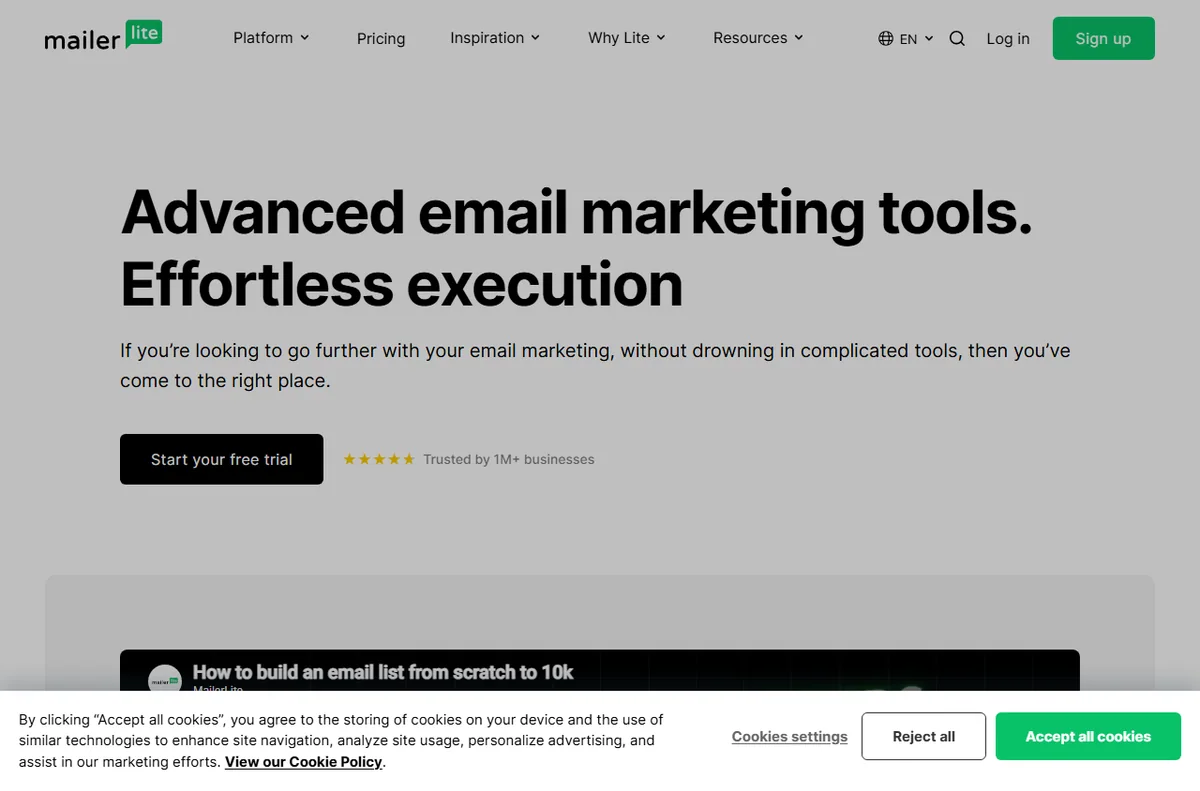
    MailerLite pricing page
    MailerLite pricing plans (image: mailerlite.com)

    What you pay for

    ItemDetail
    Starting priceFree; paid plans from about $10/mo
    Free planYes
    Best forbeginners and small lists on a budget
    Typical upgradesMore volume, more seats, or more advanced features

    What changes the price

    • Usage or volume limits on the entry tier.
    • Extra seats or workspace members.
    • Add-on features billed separately.
    MailerLite features page
    MailerLite features (image: mailerlite.com)

    Is it worth it?

    MailerLite is priced for beginners and small lists on a budget. If that is you, the entry tier usually pays for itself once you replace a couple of paid tools or save a few hours a week. If you only need one job done occasionally, a cheaper single-purpose tool may be enough.

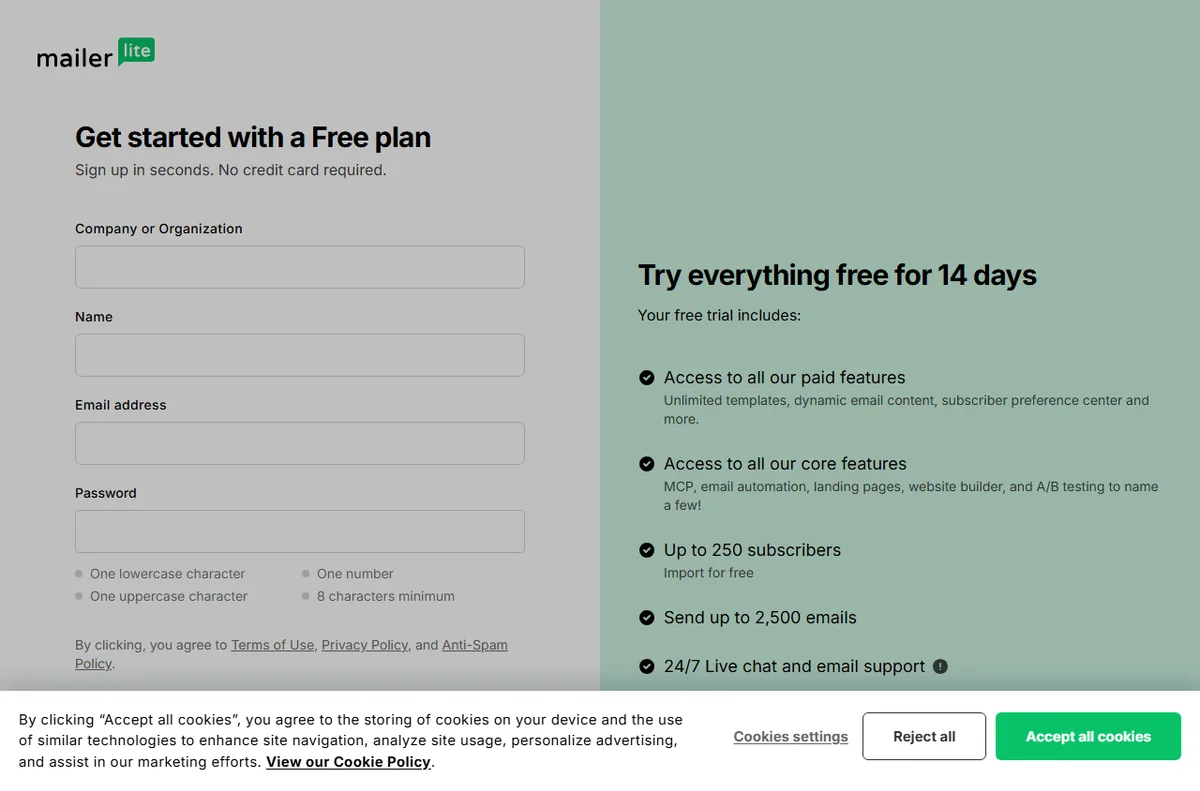
    MailerLite sign-up page
    MailerLite sign-up screen (image: mailerlite.com)

    A cheaper way to start

    Begin on the lowest tier, watch your usage for a month, then upgrade only when a limit actually bites. That keeps the first three months cheap and gives you real data before you commit to an annual plan.

    Ready to try MailerLite? Check current plans and pricing on the official site. Visit MailerLite → (affiliate link)

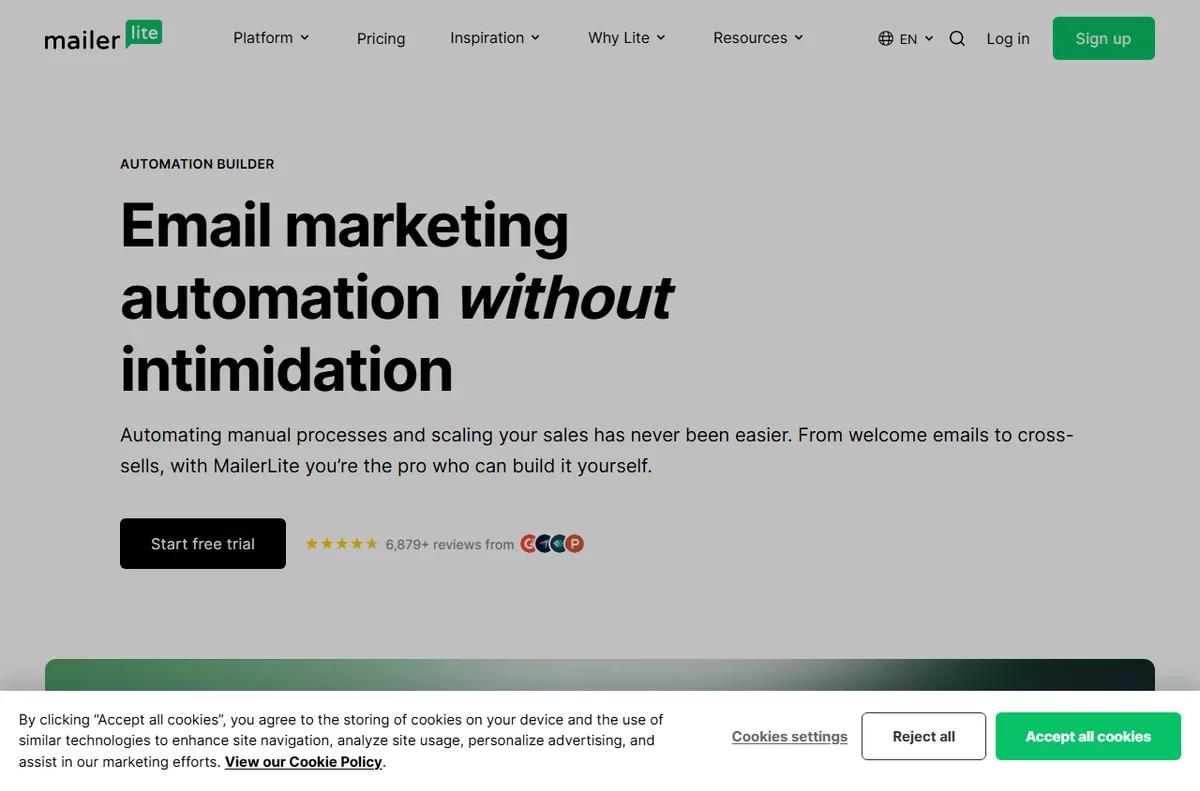
    MailerLite automation page
    MailerLite automation (image: mailerlite.com)

    Frequently asked questions

    How much does MailerLite cost?

    Entry pricing is free; paid plans from about $10/mo. Higher tiers add volume, seats or features; check the official pricing page for current numbers.

    Does MailerLite have a free plan?

    Yes. There is a free or free-to-start plan you can use to evaluate it before paying.

    Is there a discount for paying yearly?

    Most tools discount annual billing. Confirm the renewal price as well as the first-term price.
    Related reading

    Try EmailOctopus free – email marketing that is simple and affordable. Start free

  • GetResponse vs EmailOctopus: which is better in 2026?

    GetResponse vs EmailOctopus: which is better in 2026?

    Home / Email Marketing / Guides / GetResponse vs EmailOctopus

    Comparison · Email Marketing · updated 2026

    GetResponse vs EmailOctopus: which is better in 2026?

    Choosing between GetResponse and EmailOctopus? Here is a side-by-side look at pricing, strengths and fit, so you can pick the right one in a few minutes.

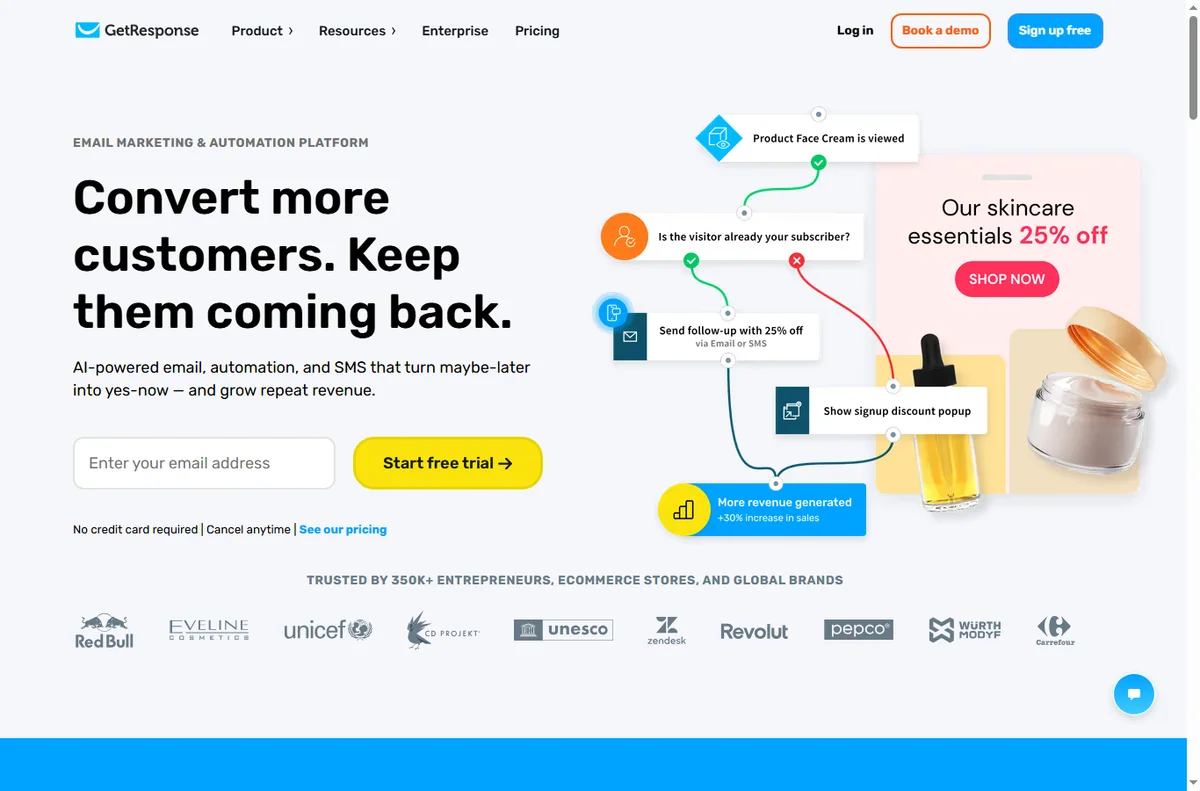
    GetResponse screenshot
    GetResponse official site (image: getresponse.com)

    Independent analysis. This page may contain affiliate links. Some links here are referral links; if you sign up through one we may earn a reward at no extra cost to you, and it never changes what we recommend. See our Affiliate Disclosure.

    TL;DR

    • GetResponse is a better fit for marketers who want funnels and webinars in one tool.
    • EmailOctopus is a better fit for budget senders with simple needs.
    • Pick GetResponse when all-in-one extras matters most to you.
    • Pick EmailOctopus when cheapest at scale matters most to you.

    At a glance

    FeatureGetResponseEmailOctopus
    Starting priceFree plan; paid plans from about $16/moFree plan; paid plans from about $9/mo
    Free planYesYes
    Best formarketers who want funnels and webinars in one toolbudget senders with simple needs
    Standout strengthall-in-one extrascheapest at scale
    Main trade-offThe automation builder has limitsBasic automation
    GetResponse marketing automation workflow screen
    GetResponse automation (image: getresponse.com)

    GetResponse in brief

    Email marketing with funnels, webinars and landing pages.

    • Pros: Marketing automation plus funnels; Built-in webinar hosting; A free plan to start
    • Cons: The automation builder has limits; List growth raises cost; Template quality varies
    • Review: GetResponse review
    EmailOctopus email marketing features overview
    EmailOctopus features (image: emailoctopus.com)

    EmailOctopus in brief

    Low-cost email marketing powered by Amazon SES.

    • Pros: Very competitive pricing; Simple, clean interface; Good deliverability via SES
    • Cons: Basic automation; Fewer integrations; Limited reporting
    • Review: EmailOctopus review

    Where each one falls short

    GetResponse

    • The automation builder has limits
    • List growth raises cost
    • Template quality varies

    EmailOctopus

    • Basic automation
    • Fewer integrations
    • Limited reporting
    GetResponse pricing tiers
    GetResponse pricing (image: getresponse.com)

    Which should you choose?

    Choose GetResponse if you are marketers who want funnels and webinars in one tool, or you value all-in-one extras.

    Choose EmailOctopus if you are budget senders with simple needs, or you value cheapest at scale.

    You can also use both together: GetResponse and EmailOctopus connect through native integrations, so many teams run one for all-in-one extras and the other for cheapest at scale. Start with the one that matches your budget and workflow, and add the second when a clear gap appears.

    Compare on the official sites before you buy. GetResponse →  |  EmailOctopus → (affiliate links)

    EmailOctopus pricing tiers
    EmailOctopus pricing (image: emailoctopus.com)

    Frequently asked questions

    Is GetResponse better than EmailOctopus?

    There is no universal winner. GetResponse leads on all-in-one extras, while EmailOctopus leads on cheapest at scale. Match the tool to your budget and workflow.

    Is EmailOctopus cheaper than GetResponse?

    On published pricing, GetResponse starts at free plan; paid plans from about $16/mo and EmailOctopus starts at free plan; paid plans from about $9/mo. Always check current pricing and renewal rates.

    Can I use GetResponse and EmailOctopus together?

    Yes. Both offer integrations and APIs, so you can run them side by side and send data between them.

    Related reading

    Try Moosend free – email marketing & automation. Start free

    Try EmailOctopus free – email marketing that is simple and affordable. Start free

  • GetResponse vs Moosend: which is better in 2026?

    GetResponse vs Moosend: which is better in 2026?

    Home / Email Marketing / Guides / GetResponse vs Moosend

    Comparison · Email Marketing · updated 2026

    GetResponse vs Moosend: which is better in 2026?

    Choosing between GetResponse and Moosend? Here is a side-by-side look at pricing, strengths and fit, so you can pick the right one in a few minutes.

    GetResponse screenshot
    GetResponse official site (image: getresponse.com)

    Independent analysis. This page may contain affiliate links. Some links here are referral links; if you sign up through one we may earn a reward at no extra cost to you, and it never changes what we recommend. See our Affiliate Disclosure.

    TL;DR

    • GetResponse is a better fit for marketers who want funnels and webinars in one tool.
    • Moosend is a better fit for small businesses that want low-cost sending.
    • Pick GetResponse when all-in-one extras matters most to you.
    • Pick Moosend when low cost per email matters most to you.

    At a glance

    FeatureGetResponseMoosend
    Starting priceFree plan; paid plans from about $16/moPaid plans from about $9/mo (trial only)
    Free planYesNo
    Best formarketers who want funnels and webinars in one toolsmall businesses that want low-cost sending
    Standout strengthall-in-one extraslow cost per email
    Main trade-offThe automation builder has limitsSmaller template library
    GetResponse email marketing features and automation
    GetResponse email marketing (image: getresponse.com)

    GetResponse in brief

    Email marketing with funnels, webinars and landing pages.

    • Pros: Marketing automation plus funnels; Built-in webinar hosting; A free plan to start
    • Cons: The automation builder has limits; List growth raises cost; Template quality varies
    • Review: GetResponse review
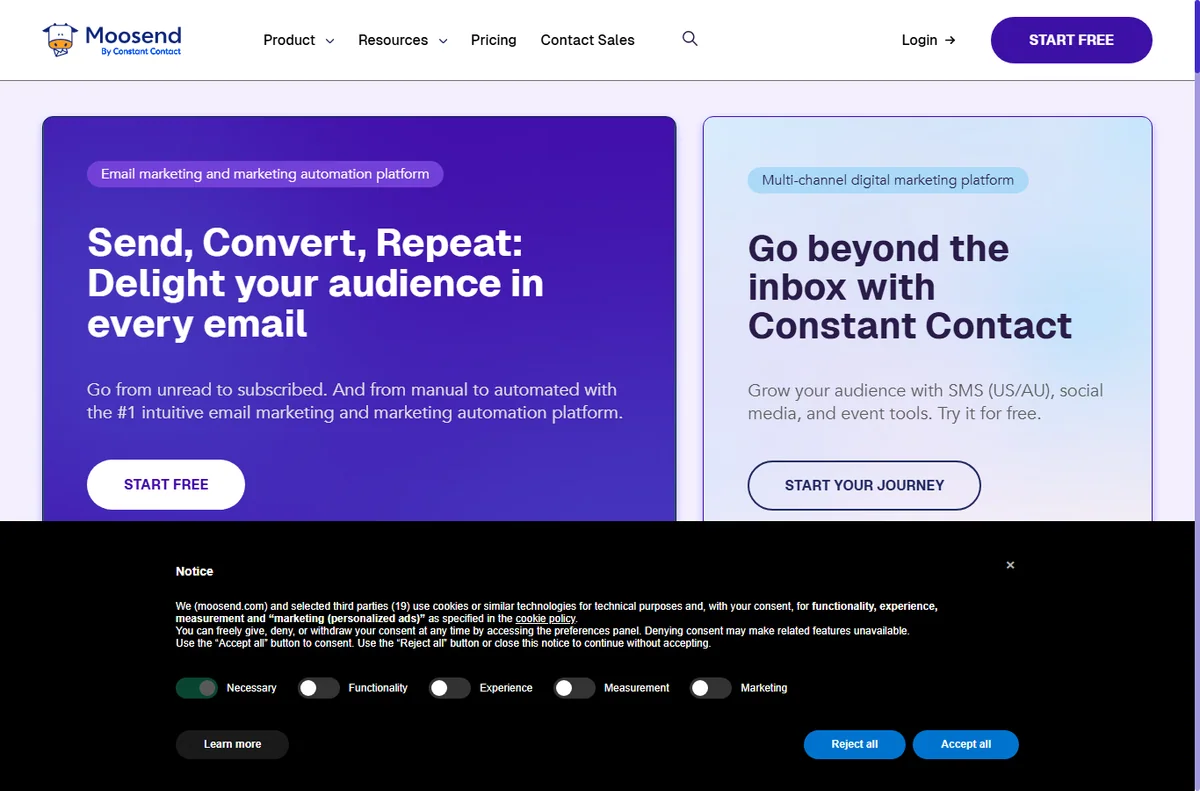
    Moosend email marketing homepage
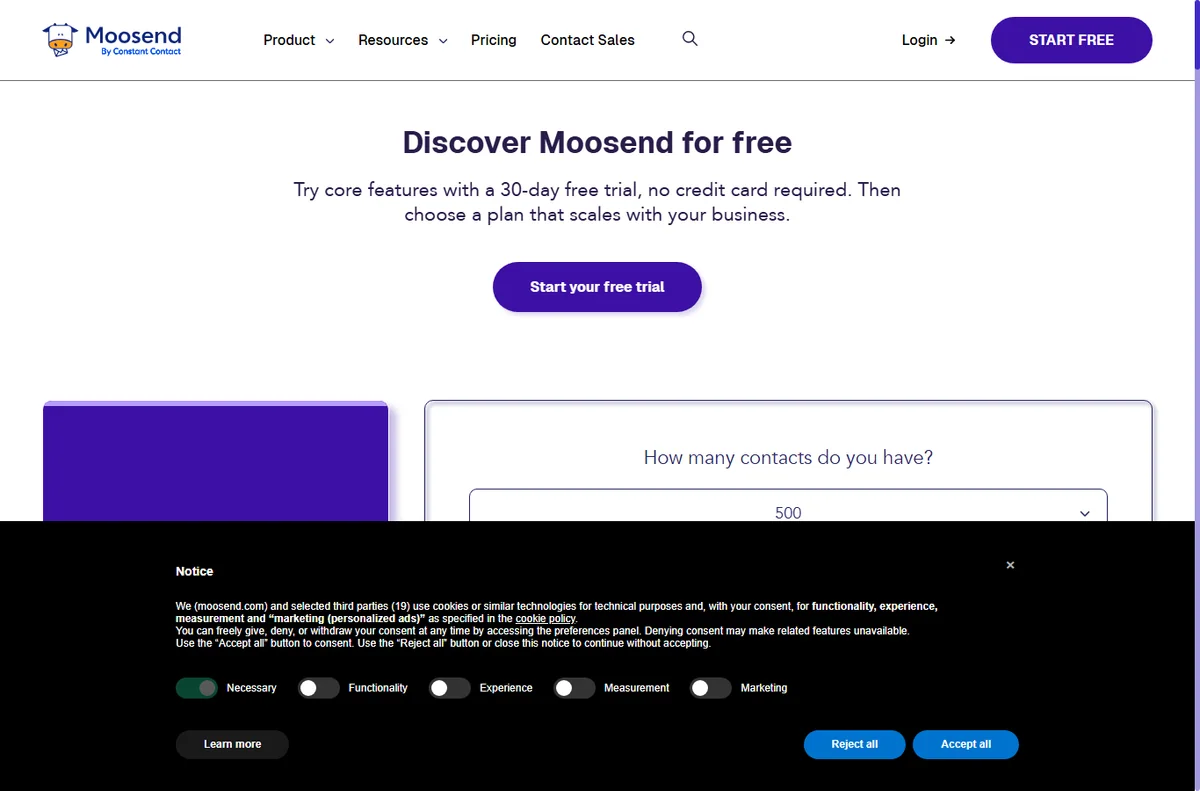
    Moosend (image: moosend.com)

    Moosend in brief

    Affordable email marketing with automation and landing pages.

    • Pros: Low entry pricing; Unlimited emails on paid plans; Automation and landing pages included
    • Cons: Smaller template library; Support can be slow; Fewer advanced features
    • Review: Moosend review
    Moosend pricing and plan limits
    Moosend pricing (image: moosend.com)

    Where each one falls short

    GetResponse

    • The automation builder has limits
    • List growth raises cost
    • Template quality varies

    Moosend

    • Smaller template library
    • Support can be slow
    • Fewer advanced features
    GetResponse pricing plans
    GetResponse pricing (image: getresponse.com)

    Which should you choose?

    Choose GetResponse if you are marketers who want funnels and webinars in one tool, or you value all-in-one extras.

    Choose Moosend if you are small businesses that want low-cost sending, or you value low cost per email.

    You can also use both together: GetResponse and Moosend connect through native integrations, so many teams run one for all-in-one extras and the other for low cost per email. Start with the one that matches your budget and workflow, and add the second when a clear gap appears.

    Compare on the official sites before you buy. GetResponse →  |  Moosend → (affiliate links)

    GetResponse marketing automation features
    GetResponse automation (image: getresponse.com)

    Frequently asked questions

    Is GetResponse better than Moosend?

    There is no universal winner. GetResponse leads on all-in-one extras, while Moosend leads on low cost per email. Match the tool to your budget and workflow.

    Is Moosend cheaper than GetResponse?

    On published pricing, GetResponse starts at free plan; paid plans from about $16/mo and Moosend starts at paid plans from about $9/mo (trial only). Always check current pricing and renewal rates.

    Can I use GetResponse and Moosend together?

    Yes. Both offer integrations and APIs, so you can run them side by side and send data between them.

    Try Moosend free – email marketing & automation. Start free

    Try EmailOctopus free – email marketing that is simple and affordable. Start free

  • GetResponse pricing explained (2026)

    GetResponse pricing explained (2026)

    Home / Email Marketing / Guides / GetResponse pricing

    Pricing · Email Marketing · updated 2026

    GetResponse pricing explained (2026)

    A plain-English breakdown of what GetResponse costs, what each tier includes, and the extras that quietly raise your bill.

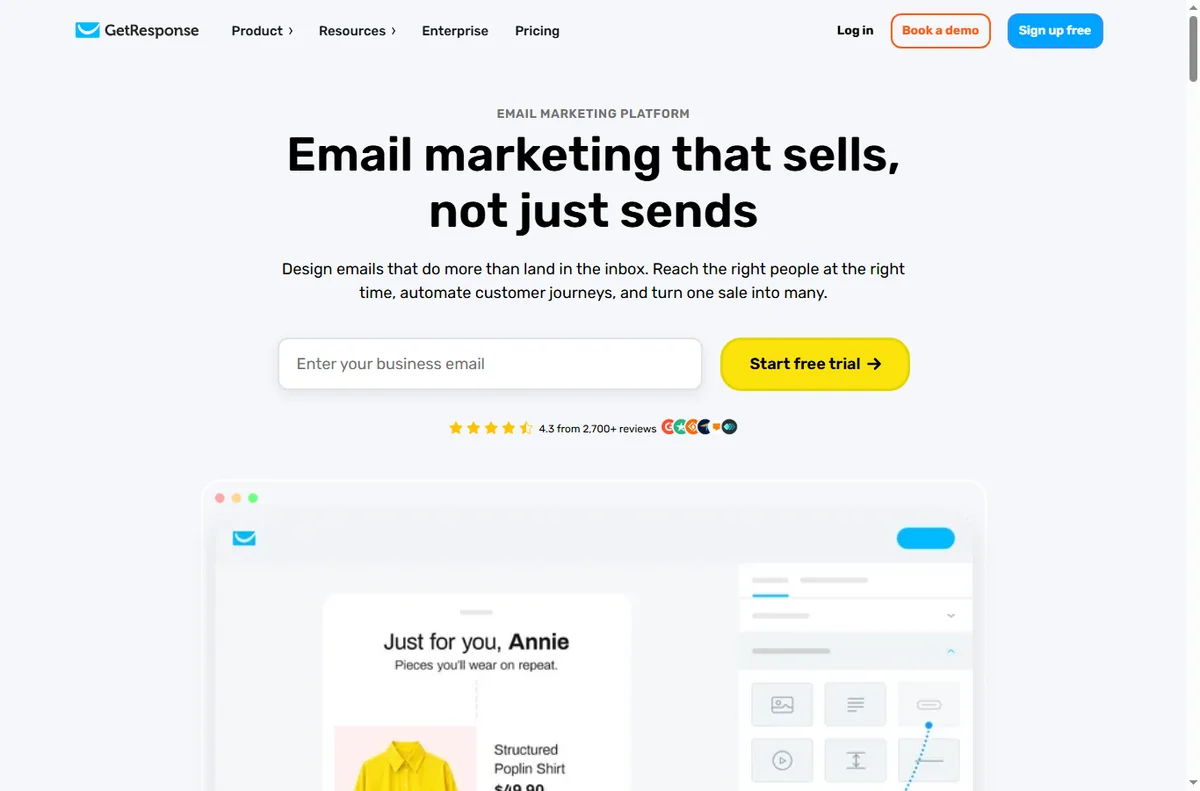
    GetResponse screenshot
    GetResponse official site (image: getresponse.com)

    Independent analysis. This page may contain affiliate links. Some links here are referral links; if you sign up through one we may earn a reward at no extra cost to you, and it never changes what we recommend. See our Affiliate Disclosure.

    TL;DR

    • Entry pricing: Free plan; paid plans from about $16/mo.
    • There is a free or free-to-start plan.
    • The biggest cost drivers are usage limits and per-seat pricing.
    • Always check the current price and renewal terms before you commit.
    GetResponse pricing page
    GetResponse pricing plans (image: getresponse.com)

    What you pay for

    ItemDetail
    Starting priceFree plan; paid plans from about $16/mo
    Free planYes
    Best formarketers who want funnels and webinars in one tool
    Typical upgradesMore volume, more seats, or more advanced features

    What changes the price

    • Usage or volume limits on the entry tier.
    • Extra seats or workspace members.
    • Add-on features billed separately.
    GetResponse email marketing tools page
    GetResponse email marketing tools (image: getresponse.com)

    Is it worth it?

    GetResponse is priced for marketers who want funnels and webinars in one tool. If that is you, the entry tier usually pays for itself once you replace a couple of paid tools or save a few hours a week. If you only need one job done occasionally, a cheaper single-purpose tool may be enough.

    GetResponse sign-up page
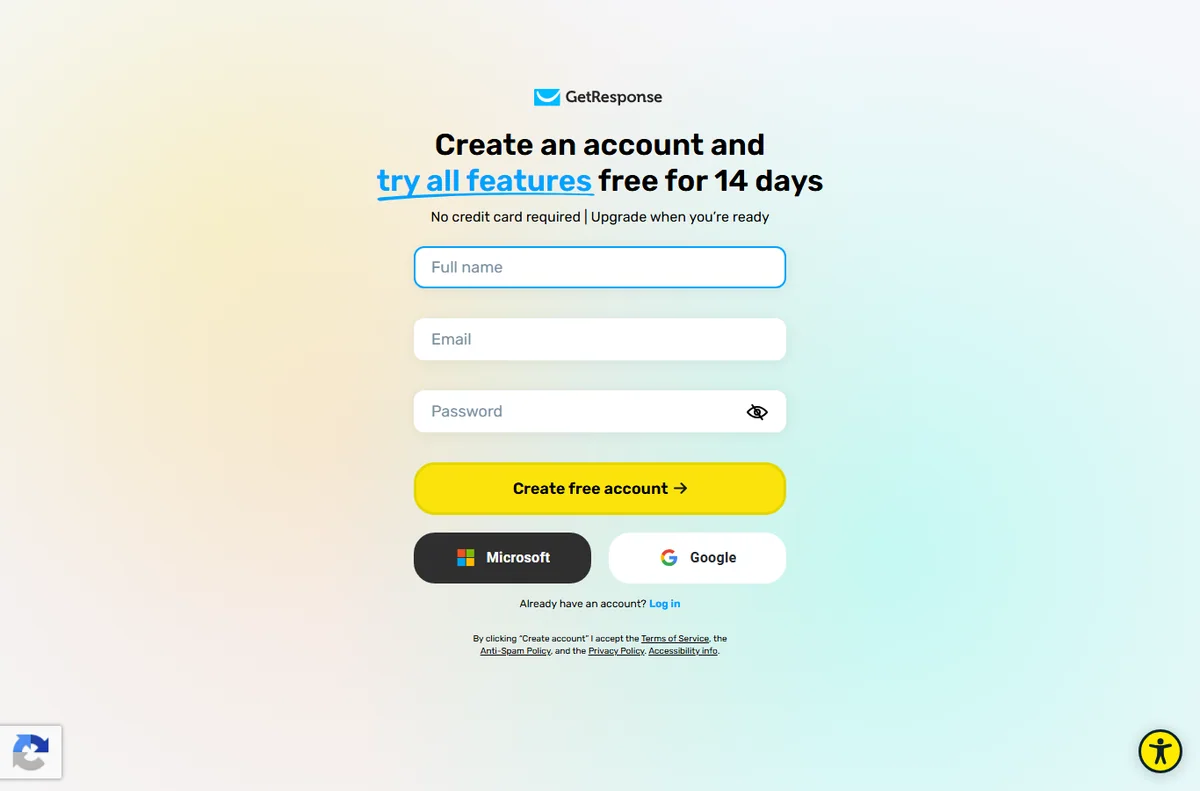
    GetResponse sign-up screen (image: getresponse.com)

    A cheaper way to start

    Begin on the lowest tier, watch your usage for a month, then upgrade only when a limit actually bites. That keeps the first three months cheap and gives you real data before you commit to an annual plan.

    Ready to try GetResponse? Check current plans and pricing on the official site. Visit GetResponse → (affiliate link)

    GetResponse marketing automation page
    GetResponse marketing automation (image: getresponse.com)

    Frequently asked questions

    How much does GetResponse cost?

    Entry pricing is free plan; paid plans from about $16/mo. Higher tiers add volume, seats or features; check the official pricing page for current numbers.

    Does GetResponse have a free plan?

    Yes. There is a free or free-to-start plan you can use to evaluate it before paying.

    Is there a discount for paying yearly?

    Most tools discount annual billing. Confirm the renewal price as well as the first-term price.

    Related reading

    Try EmailOctopus free – email marketing that is simple and affordable. Start free

  • ActiveCampaign pricing explained (2026)

    ActiveCampaign pricing explained (2026)

    Home / Email Marketing / Guides / ActiveCampaign pricing

    Pricing · Email Marketing · updated 2026

    ActiveCampaign pricing explained (2026)

    A plain-English breakdown of what ActiveCampaign costs, what each tier includes, and the extras that quietly raise your bill.

    ActiveCampaign screenshot
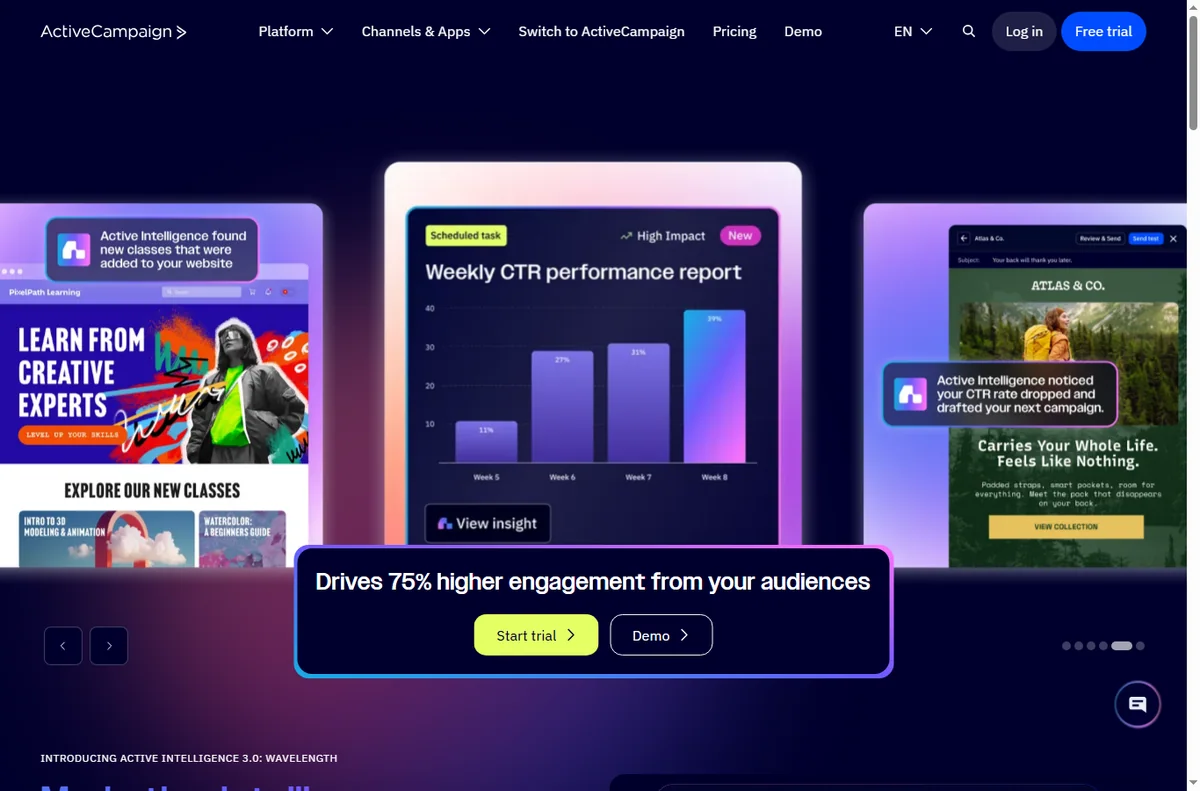
    ActiveCampaign official site (image: activecampaign.com)

    Independent analysis. This page may contain affiliate links. Some links here are referral links; if you sign up through one we may earn a reward at no extra cost to you, and it never changes what we recommend. See our Affiliate Disclosure.

    TL;DR

    • Entry pricing: Paid plans from about $15/mo (trial only).
    • There is no permanent free plan.
    • The biggest cost drivers are usage limits and per-seat pricing.
    • Always check the current price and renewal terms before you commit.
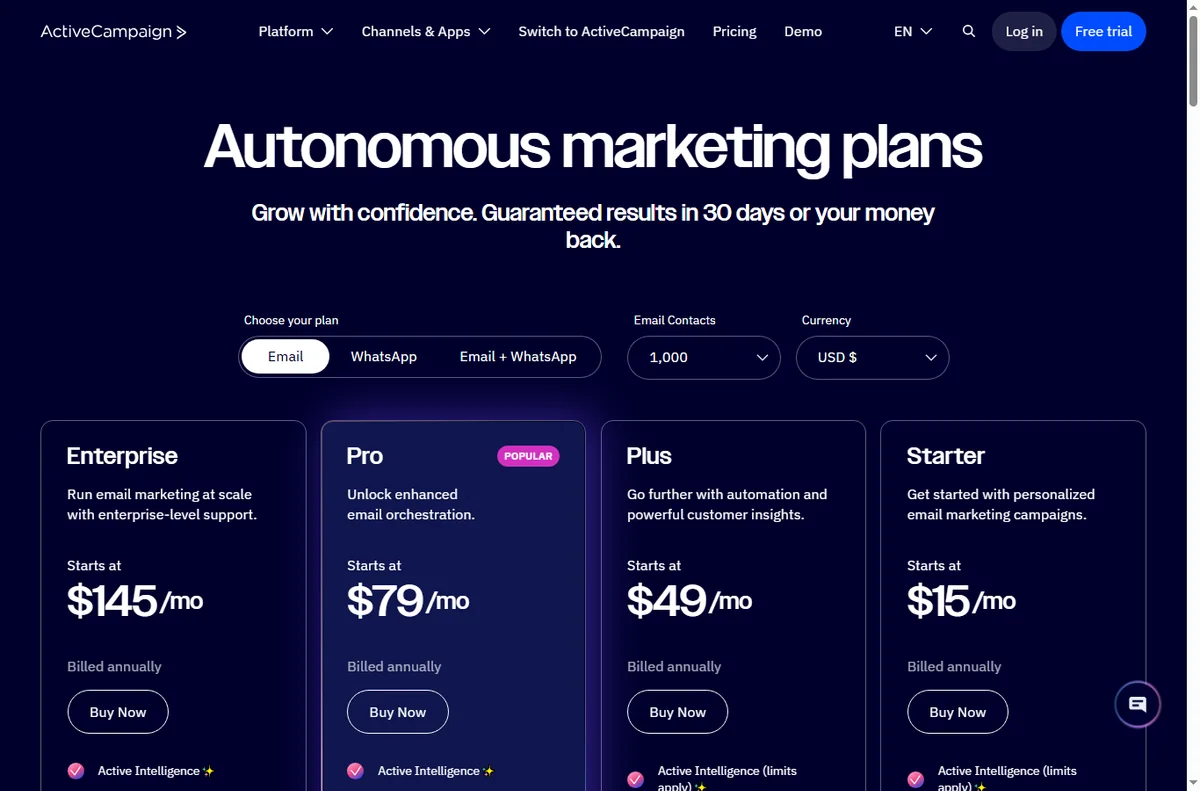
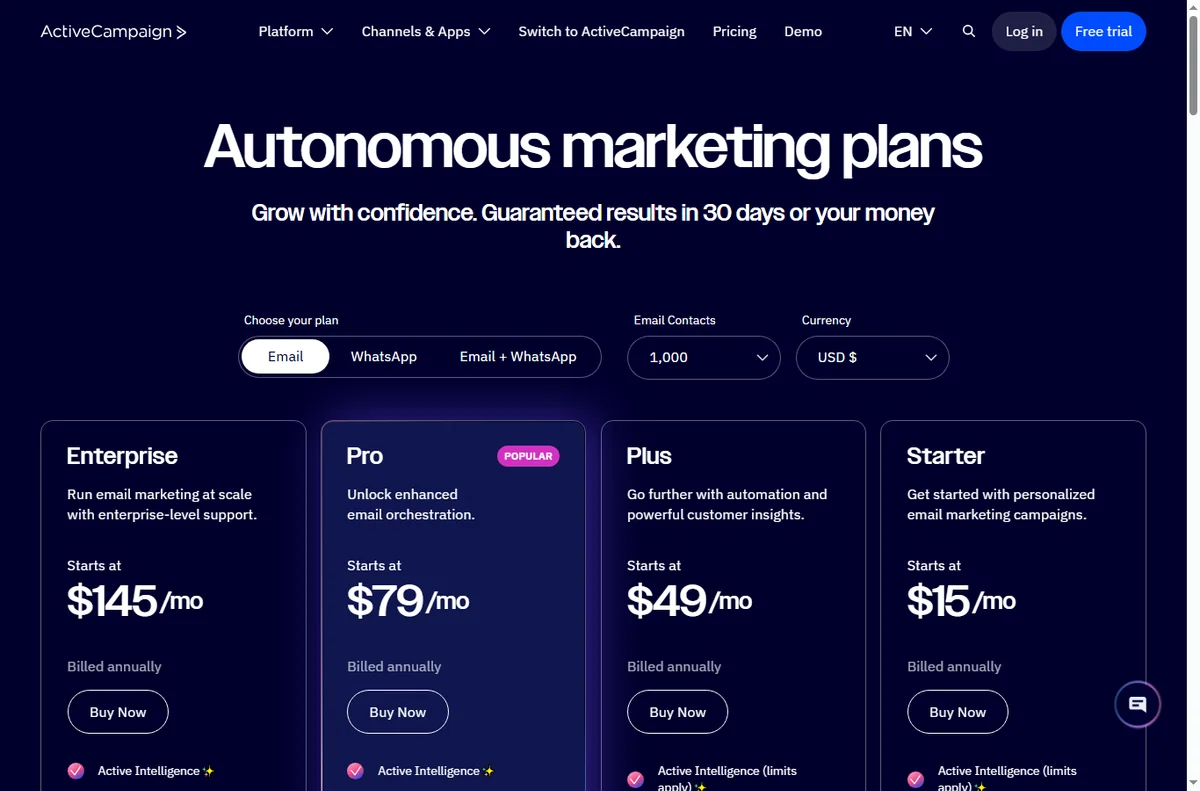
    ActiveCampaign pricing page
    ActiveCampaign pricing plans (image: activecampaign.com)

    What you pay for

    ItemDetail
    Starting pricePaid plans from about $15/mo (trial only)
    Free planNo
    Best forbusinesses that need automation and a light CRM
    Typical upgradesMore volume, more seats, or more advanced features

    What changes the price

    • Usage or volume limits on the entry tier.
    • Extra seats or workspace members.
    • Add-on features billed separately.
    ActiveCampaign CRM page
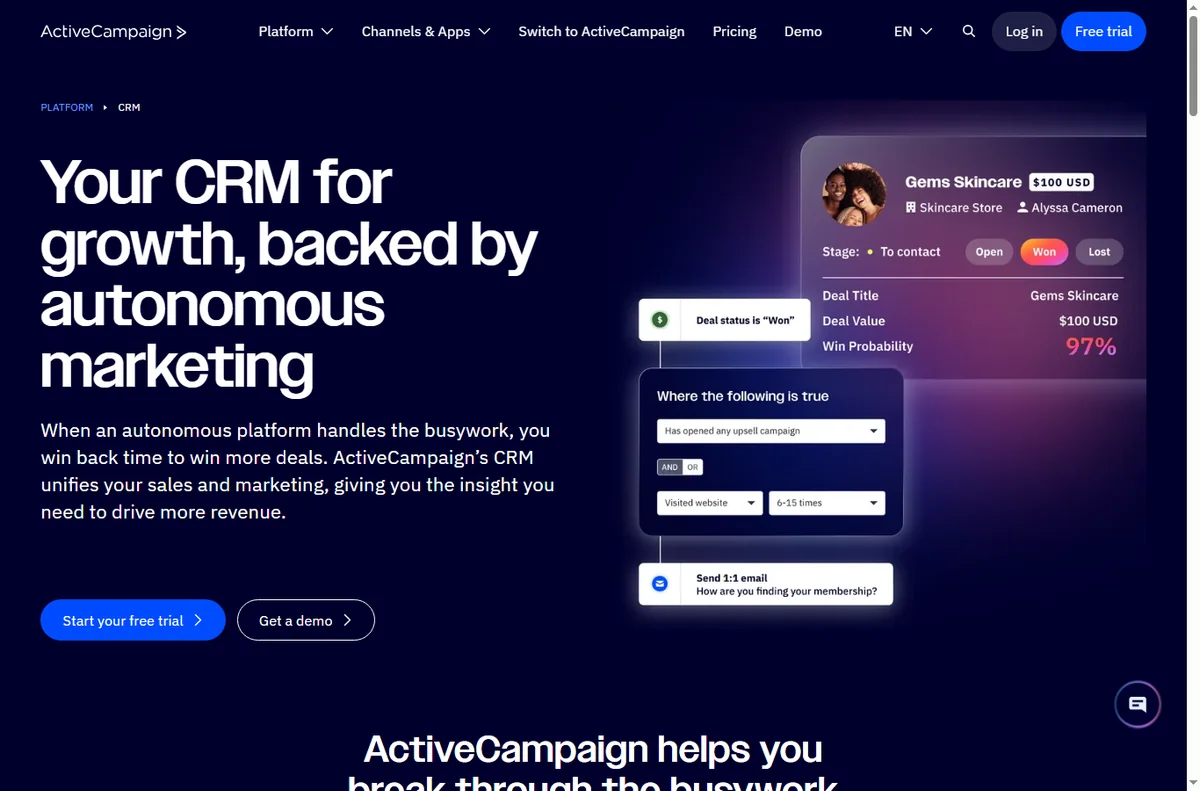
    ActiveCampaign CRM (image: activecampaign.com)

    Is it worth it?

    ActiveCampaign is priced for businesses that need automation and a light CRM. If that is you, the entry tier usually pays for itself once you replace a couple of paid tools or save a few hours a week. If you only need one job done occasionally, a cheaper single-purpose tool may be enough.

    ActiveCampaign sign-up page
    ActiveCampaign sign-up screen (image: activecampaign.com)

    A cheaper way to start

    Begin on the lowest tier, watch your usage for a month, then upgrade only when a limit actually bites. That keeps the first three months cheap and gives you real data before you commit to an annual plan.

    Ready to try ActiveCampaign? Check current plans and pricing on the official site. Visit ActiveCampaign → (affiliate link)

    ActiveCampaign automation page
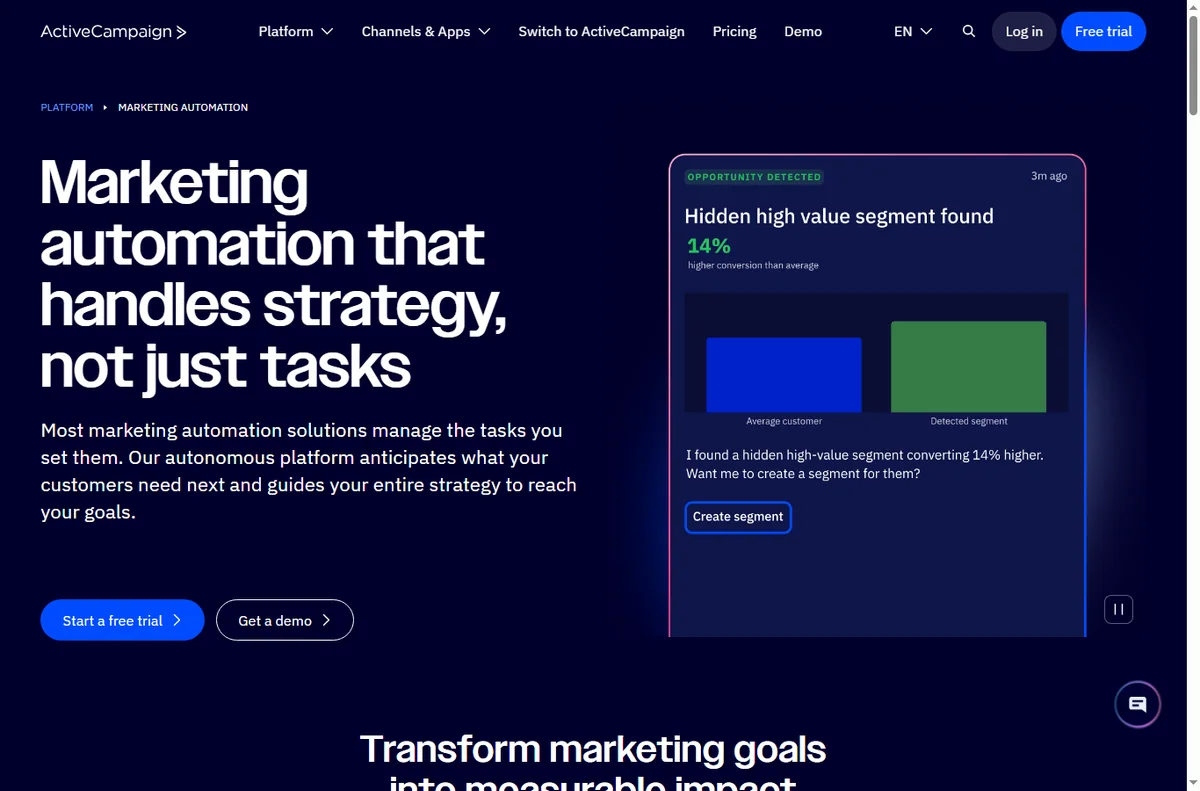
    ActiveCampaign automation (image: activecampaign.com)

    Frequently asked questions

    How much does ActiveCampaign cost?

    Entry pricing is paid plans from about $15/mo (trial only). Higher tiers add volume, seats or features; check the official pricing page for current numbers.

    Does ActiveCampaign have a free plan?

    No permanent free plan; there is usually a trial instead.

    Is there a discount for paying yearly?

    Most tools discount annual billing. Confirm the renewal price as well as the first-term price.

    Related reading

    Try Moosend free – email marketing & automation. Start free

    Try EmailOctopus free – email marketing that is simple and affordable. Start free

  • Zapier pricing explained (2026)

    Zapier pricing explained (2026)

    Home / Automation / Guides / Zapier pricing

    Pricing · Automation · updated 2026

    Zapier pricing explained (2026)

    A plain-English breakdown of what Zapier costs, what each tier includes, and the extras that quietly raise your bill.

    Zapier screenshot
    Zapier official site (image: zapier.com)

    Independent analysis. This page may contain affiliate links. Some links here are referral links; if you sign up through one we may earn a reward at no extra cost to you, and it never changes what we recommend. See our Affiliate Disclosure.

    TL;DR

    • Entry pricing: Free; paid plans from about $19.99/mo.
    • There is a free or free-to-start plan.
    • The biggest cost drivers are usage limits and per-seat pricing.
    • Always check the current price and renewal terms before you commit.
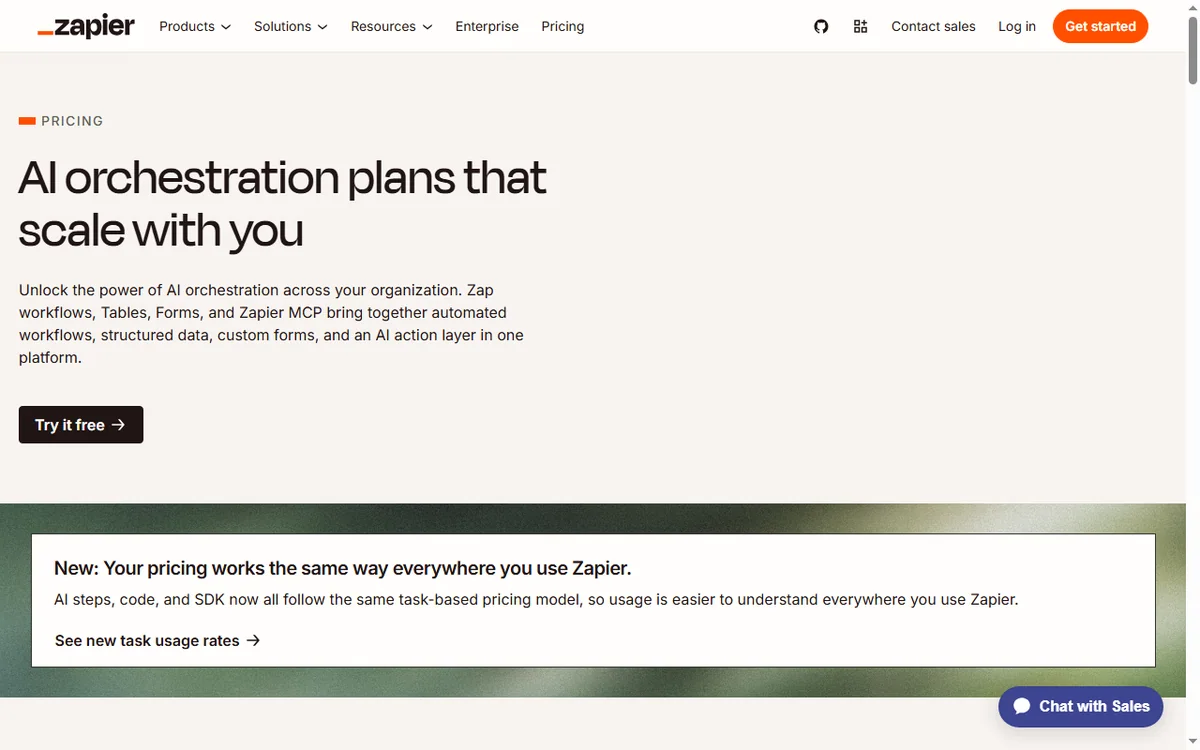
    Zapier pricing page
    Zapier pricing plans (image: zapier.com)

    What you pay for

    ItemDetail
    Starting priceFree; paid plans from about $19.99/mo
    Free planYes
    Best forbeginners connecting two apps quickly
    Typical upgradesMore volume, more seats, or more advanced features

    What changes the price

    • Usage or volume limits on the entry tier.
    • Extra seats or workspace members.
    • Add-on features billed separately.
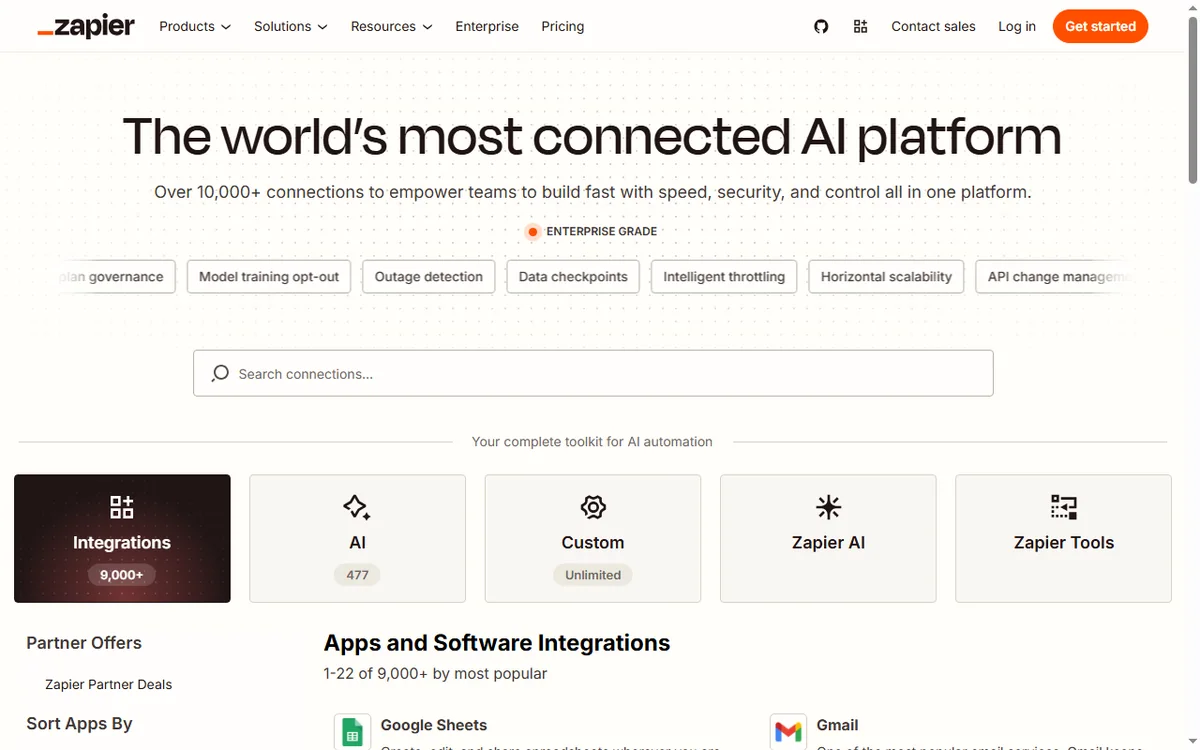
    Zapier app integrations page
    Zapier app integrations (image: zapier.com)

    Is it worth it?

    Zapier is priced for beginners connecting two apps quickly. If that is you, the entry tier usually pays for itself once you replace a couple of paid tools or save a few hours a week. If you only need one job done occasionally, a cheaper single-purpose tool may be enough.

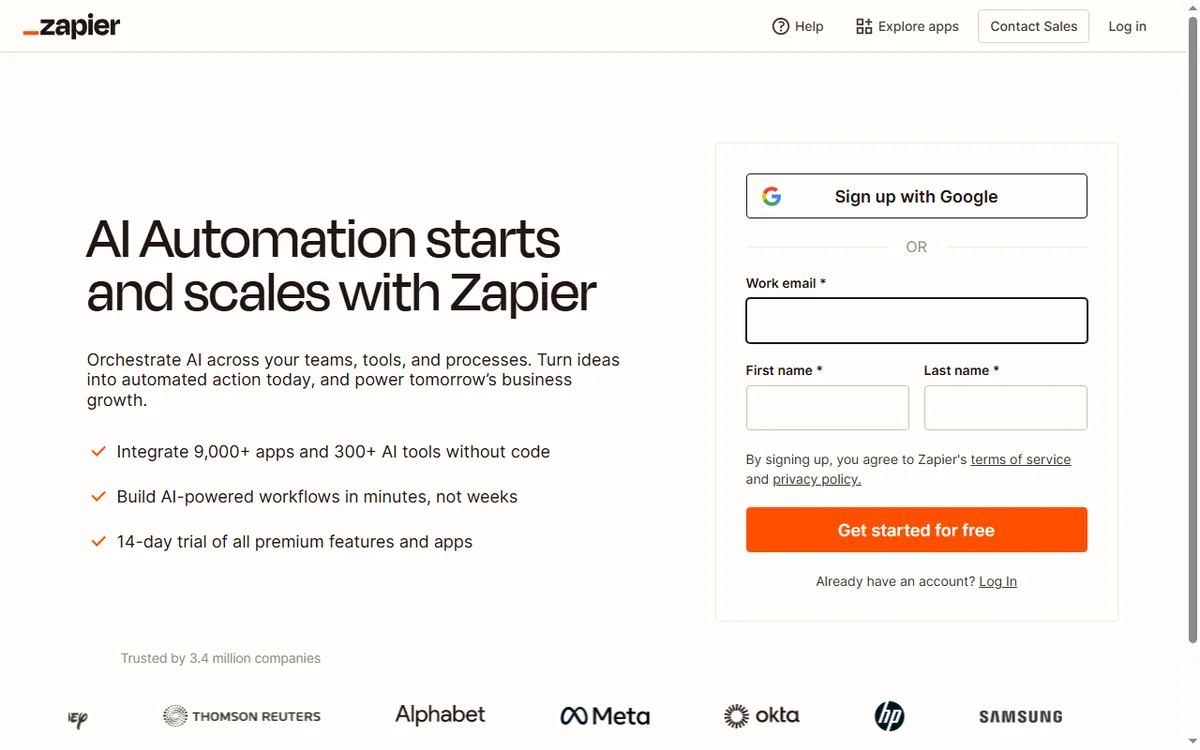
    Zapier sign-up page
    Zapier sign-up screen (image: zapier.com)

    A cheaper way to start

    Begin on the lowest tier, watch your usage for a month, then upgrade only when a limit actually bites. That keeps the first three months cheap and gives you real data before you commit to an annual plan.

    Ready to try Zapier? Check current plans and pricing on the official site. Visit Zapier → (affiliate link)

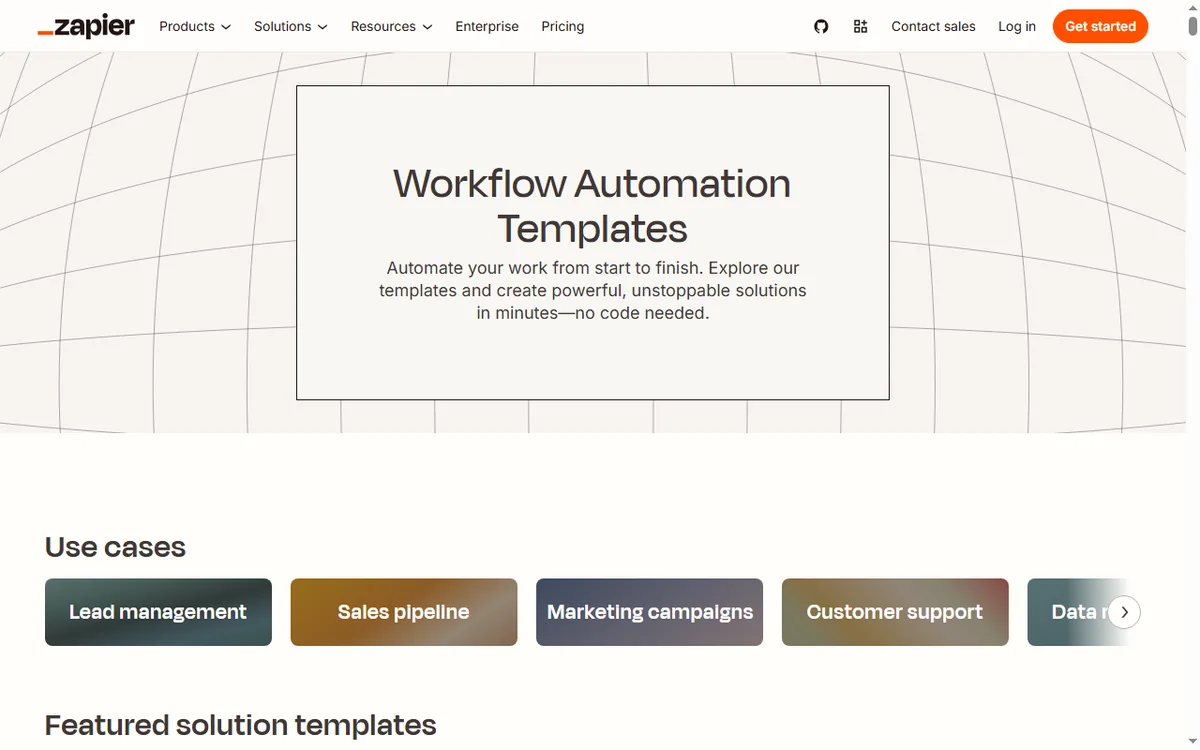
    Zapier templates page
    Zapier templates (image: zapier.com)

    Frequently asked questions

    How much does Zapier cost?

    Entry pricing is free; paid plans from about $19.99/mo. Higher tiers add volume, seats or features; check the official pricing page for current numbers.

    Does Zapier have a free plan?

    Yes. There is a free or free-to-start plan you can use to evaluate it before paying.

    Is there a discount for paying yearly?

    Most tools discount annual billing. Confirm the renewal price as well as the first-term price.
  • Make pricing explained (2026)

    Make pricing explained (2026)

    Home / Automation / Guides / Make pricing

    Pricing · Automation · updated 2026

    Make pricing explained (2026)

    A plain-English breakdown of what Make costs, what each tier includes, and the extras that quietly raise your bill.

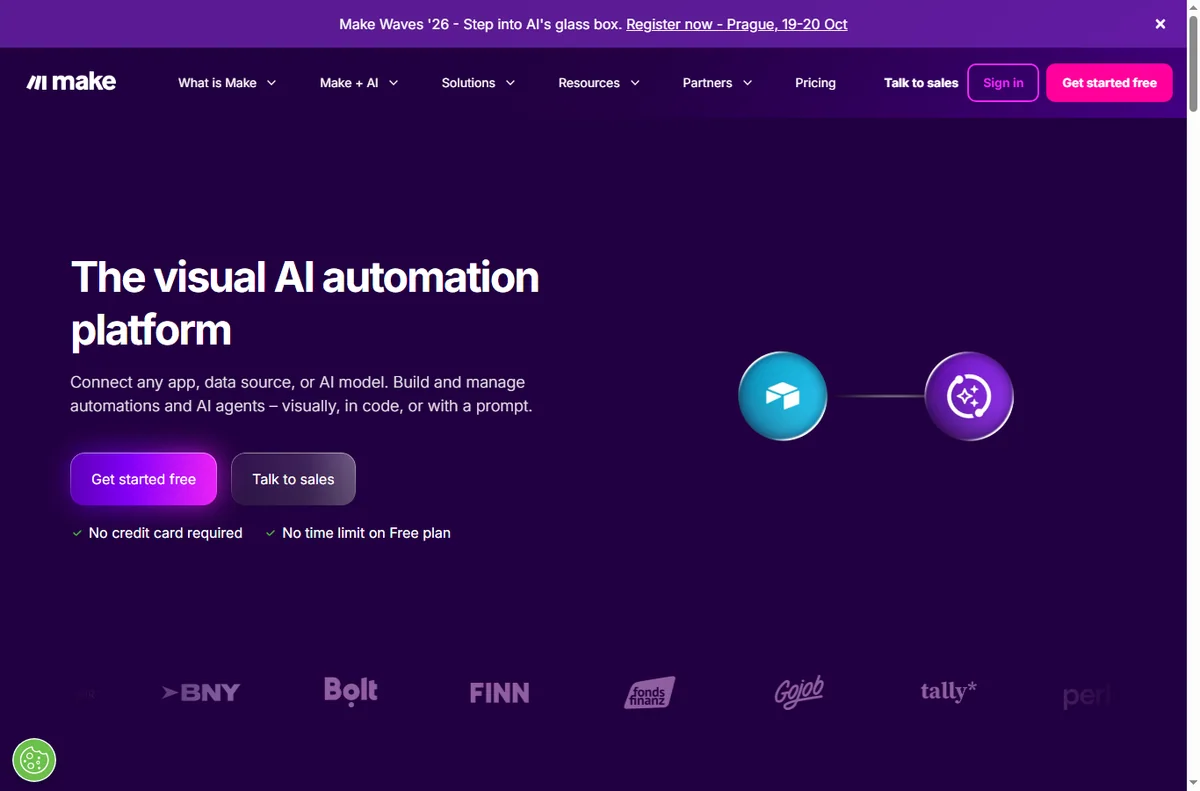
    Make screenshot
    Make official site (image: make.com)

    Independent analysis. This page may contain affiliate links. Some links here are referral links; if you sign up through one we may earn a reward at no extra cost to you, and it never changes what we recommend. See our Affiliate Disclosure.

    TL;DR

    • Entry pricing: Free; paid plans from about $9/mo.
    • There is a free or free-to-start plan.
    • The biggest cost drivers are usage limits and per-seat pricing.
    • Always check the current price and renewal terms before you commit.
    Make pricing page
    Make pricing plans (image: make.com)

    What you pay for

    ItemDetail
    Starting priceFree; paid plans from about $9/mo
    Free planYes
    Best forteams that want visual control over complex workflows
    Typical upgradesMore volume, more seats, or more advanced features

    What changes the price

    • Usage or volume limits on the entry tier.
    • Extra seats or workspace members.
    • Add-on features billed separately.
    Make integrations page
    Make integrations (image: make.com)

    Is it worth it?

    Make is priced for teams that want visual control over complex workflows. If that is you, the entry tier usually pays for itself once you replace a couple of paid tools or save a few hours a week. If you only need one job done occasionally, a cheaper single-purpose tool may be enough.

    Make sign-up page
    Make sign-up screen (image: make.com)

    A cheaper way to start

    Begin on the lowest tier, watch your usage for a month, then upgrade only when a limit actually bites. That keeps the first three months cheap and gives you real data before you commit to an annual plan.

    Ready to try Make? Check current plans and pricing on the official site. Visit Make → (affiliate link)

    Make workflow templates page
    Make workflow templates (image: make.com)

    Frequently asked questions

    How much does Make cost?

    Entry pricing is free; paid plans from about $9/mo. Higher tiers add volume, seats or features; check the official pricing page for current numbers.

    Does Make have a free plan?

    Yes. There is a free or free-to-start plan you can use to evaluate it before paying.

    Is there a discount for paying yearly?

    Most tools discount annual billing. Confirm the renewal price as well as the first-term price.
    Related reading

    Try Make for free – automate your workflows in minutes. Start free

  • ActiveCampaign vs EmailOctopus: which is better in 2026?

    ActiveCampaign vs EmailOctopus: which is better in 2026?

    Home / Email Marketing / Guides / ActiveCampaign vs EmailOctopus

    Comparison · Email Marketing · updated 2026

    ActiveCampaign vs EmailOctopus: which is better in 2026?

    Choosing between ActiveCampaign and EmailOctopus? Here is a side-by-side look at pricing, strengths and fit, so you can pick the right one in a few minutes.

    ActiveCampaign screenshot
    ActiveCampaign official site (image: activecampaign.com)

    Independent analysis. This page may contain affiliate links. Some links here are referral links; if you sign up through one we may earn a reward at no extra cost to you, and it never changes what we recommend. See our Affiliate Disclosure.

    TL;DR

    • ActiveCampaign is a better fit for businesses that need automation and a light CRM.
    • EmailOctopus is a better fit for budget senders with simple needs.
    • Pick ActiveCampaign when automation depth matters most to you.
    • Pick EmailOctopus when cheapest at scale matters most to you.

    At a glance

    FeatureActiveCampaignEmailOctopus
    Starting pricePaid plans from about $15/mo (trial only)Free plan; paid plans from about $9/mo
    Free planNoYes
    Best forbusinesses that need automation and a light CRMbudget senders with simple needs
    Standout strengthautomation depthcheapest at scale
    Main trade-offPricier as contacts growBasic automation
    ActiveCampaign marketing automation builder interface
    ActiveCampaign automation builder (image: activecampaign.com)

    ActiveCampaign in brief

    Email marketing plus marketing automation and a light CRM.

    • Pros: Deep automation and segmentation; Built-in CRM and lead scoring; Strong deliverability
    • Cons: Pricier as contacts grow; The CRM is basic next to dedicated tools; Can feel complex at first
    • Review: ActiveCampaign review
    EmailOctopus email marketing features overview
    EmailOctopus features (image: emailoctopus.com)

    EmailOctopus in brief

    Low-cost email marketing powered by Amazon SES.

    • Pros: Very competitive pricing; Simple, clean interface; Good deliverability via SES
    • Cons: Basic automation; Fewer integrations; Limited reporting
    • Review: EmailOctopus review

    Where each one falls short

    ActiveCampaign

    • Pricier as contacts grow
    • The CRM is basic next to dedicated tools
    • Can feel complex at first

    EmailOctopus

    • Basic automation
    • Fewer integrations
    • Limited reporting
    EmailOctopus pricing tiers for list size
    EmailOctopus pricing (image: emailoctopus.com)

    Which should you choose?

    Choose ActiveCampaign if you are businesses that need automation and a light CRM, or you value automation depth.

    Choose EmailOctopus if you are budget senders with simple needs, or you value cheapest at scale.

    You can also use both together: ActiveCampaign and EmailOctopus connect through native integrations, so many teams run one for automation depth and the other for cheapest at scale. Start with the one that matches your budget and workflow, and add the second when a clear gap appears.

    Compare on the official sites before you buy. ActiveCampaign →  |  EmailOctopus → (affiliate links)

    ActiveCampaign pricing plans
    ActiveCampaign pricing (image: activecampaign.com)

    Frequently asked questions

    Is ActiveCampaign better than EmailOctopus?

    There is no universal winner. ActiveCampaign leads on automation depth, while EmailOctopus leads on cheapest at scale. Match the tool to your budget and workflow.

    Is EmailOctopus cheaper than ActiveCampaign?

    On published pricing, ActiveCampaign starts at paid plans from about $15/mo (trial only) and EmailOctopus starts at free plan; paid plans from about $9/mo. Always check current pricing and renewal rates.

    Can I use ActiveCampaign and EmailOctopus together?

    Yes. Both offer integrations and APIs, so you can run them side by side and send data between them.

    Related reading

    Try Moosend free – email marketing & automation. Start free

    Try EmailOctopus free – email marketing that is simple and affordable. Start free