We’re reader-supported — some links are affiliate links. Learn more →

Skip to content

Independent software research. Some links may earn us a commission at no extra cost to you. Learn more →

ICode

Tag: surfshark

  • Best Security & Privacy software for startups in 2026

    Best Security & Privacy software for startups in 2026

    Home / Security & Privacy / Guides / Security & Privacy software for startups

    Roundup · Security & Privacy · updated 2026

    Best Security & Privacy software for startups in 2026

    If you are early-stage startups, these are the security & privacy tools worth your time, what each does best, and how to choose without overspending.

    Independent analysis. This page may contain affiliate links. Some links here are referral links; if you sign up through one we may earn a reward at no extra cost to you, and it never changes what we recommend. See our Affiliate Disclosure.
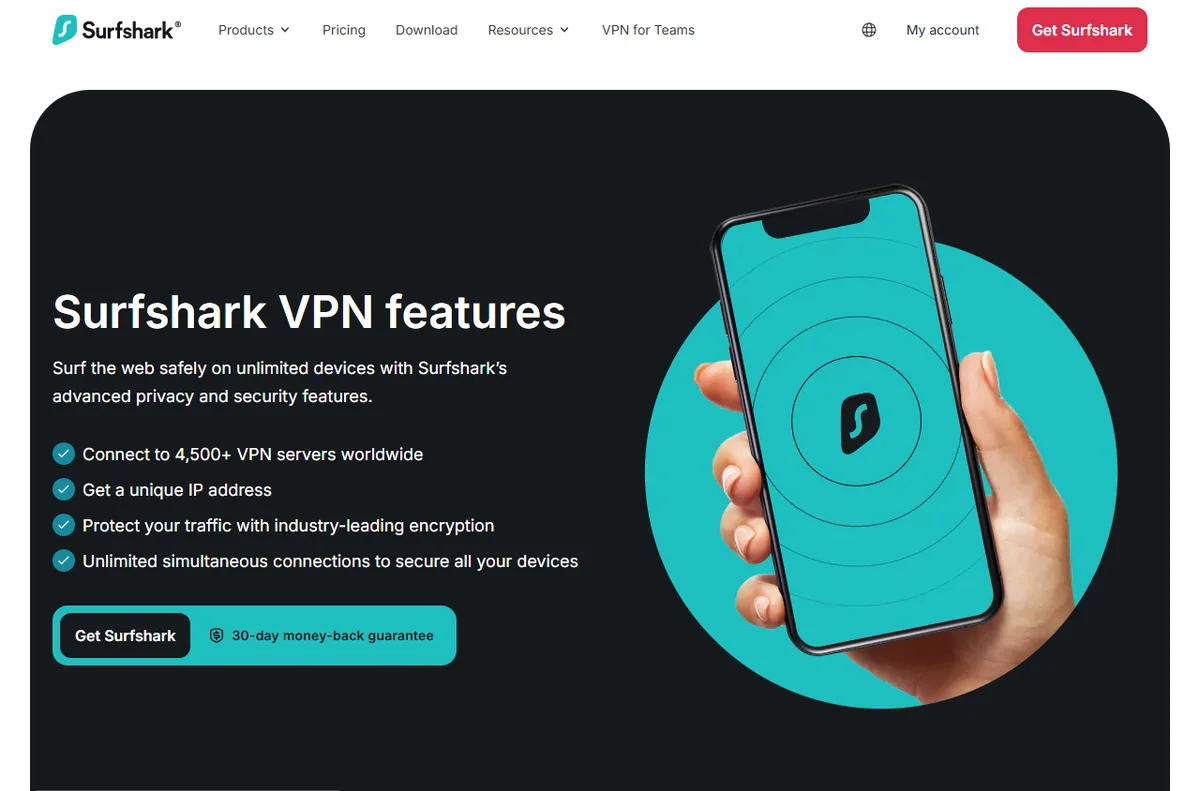
    Surfshark VPN features overview for security and privacy
    Surfshark features (image: surfshark.com)

    TL;DR

    • 1. Surfshark — households protecting many devices.
    • 2. PureVPN — users who want broad server choice.

    How we picked

    We weighed price against everyday usefulness, looked at how steep each tool is to learn, and checked how well it fits early-stage startups. We favour tools with clear pricing, a sensible entry plan, and room to grow.
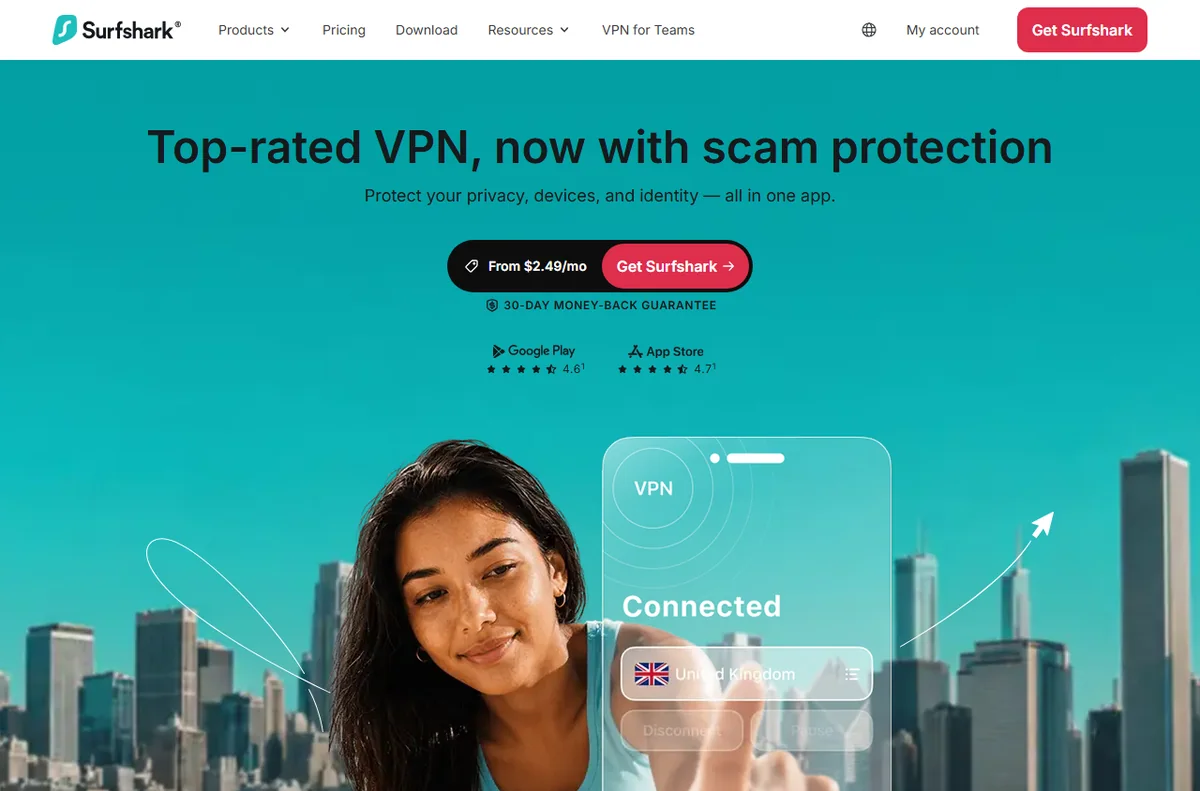
    Surfshark VPN homepage
    Surfshark homepage (image: surfshark.com)

    1. Surfshark

    Budget VPN with unlimited device connections.

    • Unlimited device connections
    • A low price
    • Good privacy features

    Best for: households protecting many devices. Read the Surfshark review.
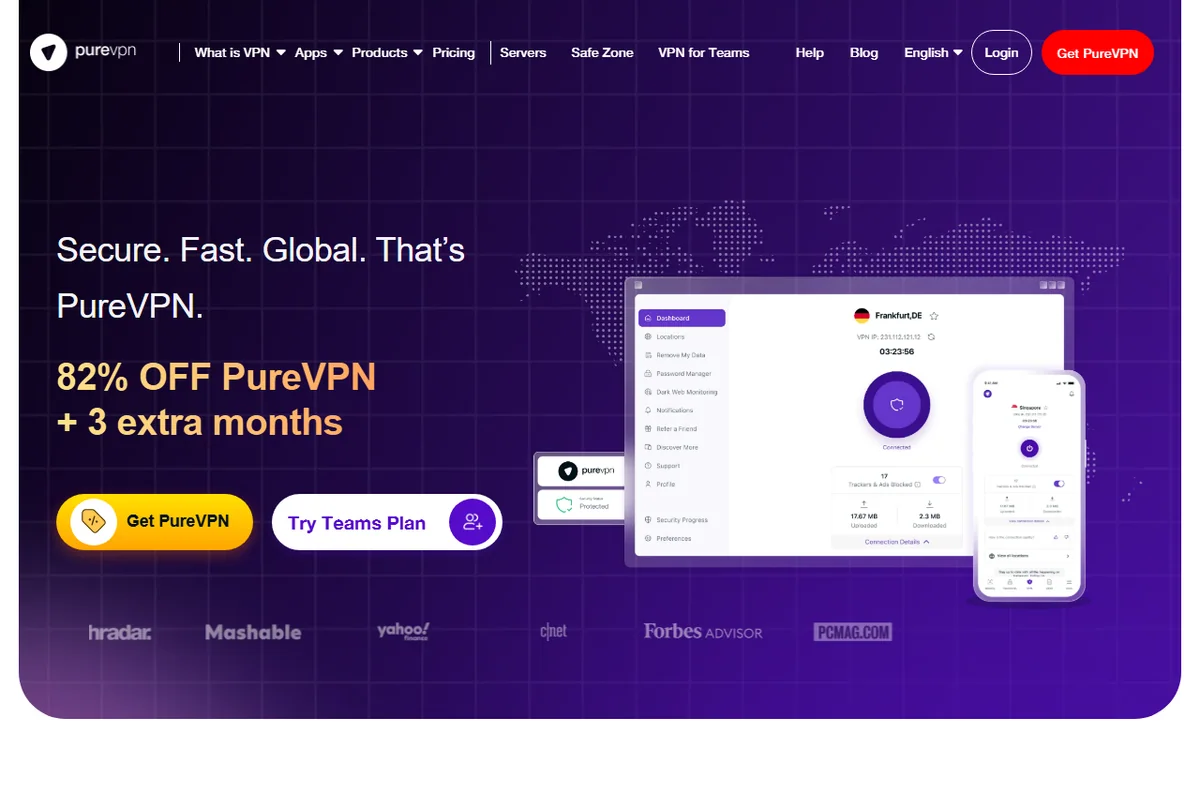
    PureVPN homepage
    PureVPN homepage (image: purevpn.com)

    2. PureVPN

    VPN with a very large server network.

    • A very large server network
    • Works across many platforms
    • Little-logging claims

    Best for: users who want broad server choice. Read the PureVPN review.

    Surfshark pricing plans
    Surfshark pricing (image: surfshark.com)

    Comparison

    ToolStarting priceFree planBest for
    SurfsharkFrom about $2.49/moNohouseholds protecting many devices
    PureVPNFrom about $3.33/moNousers who want broad server choice

    How to choose for startups

    • Start with the smallest plan that covers your current volume.
    • Check the renewal price, not only the intro discount.
    • Prefer a tool that already integrates with what you use today.
    • Leave room to upgrade — switching costs more than upgrading.

    Ready to try Surfshark? Check current plans and pricing on the official site. Visit Surfshark → (affiliate link)
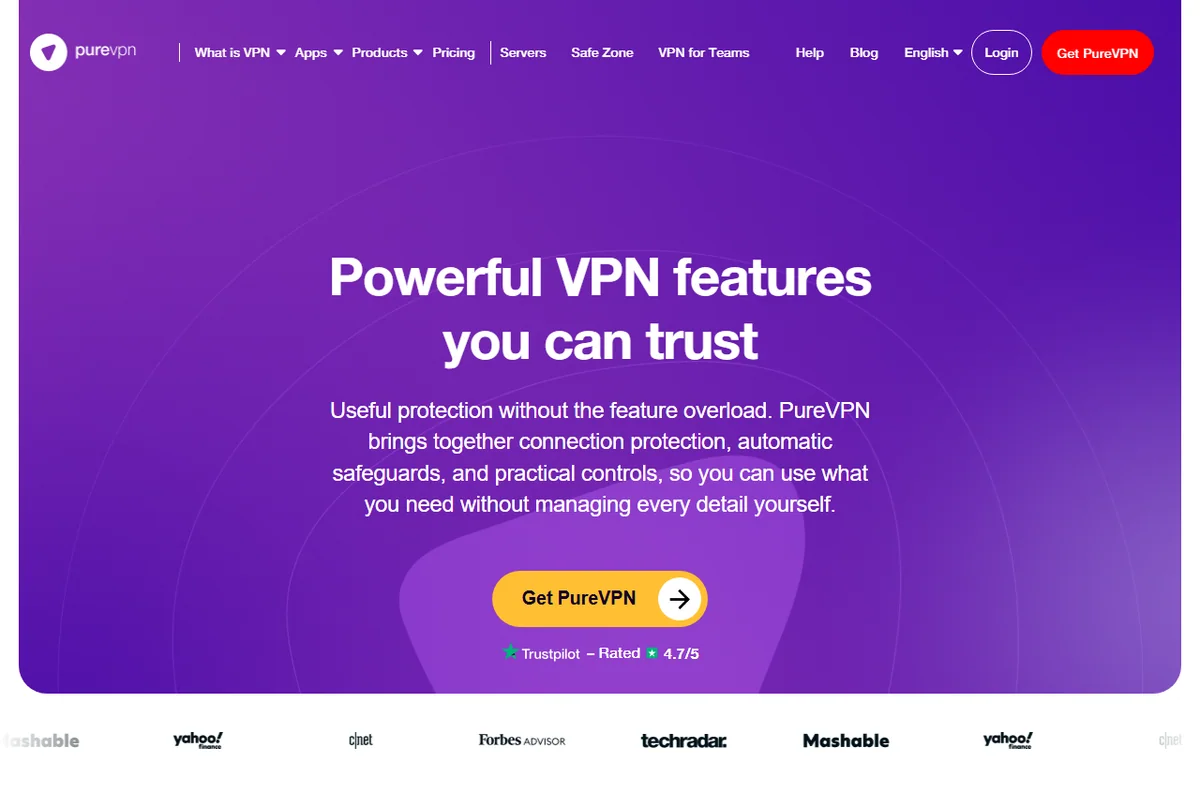
    PureVPN features overview
    PureVPN features (image: purevpn.com)

    Frequently asked questions

    What is the best security & privacy tool for startups overall?

    For most early-stage startups, Surfshark is the strongest all-round pick because it unlimited device connections.

    Do I need to pay for security & privacy software as startups?

    Most options are paid, so start with the lowest tier and only move up when usage demands it.

    How often should I revisit my choice?

    Re-check once a year or whenever your volume, budget or team changes. Pricing and features move quickly.


    Related reading

  • Best Security & Privacy software for course creators in 2026

    Best Security & Privacy software for course creators in 2026

    Home / Security & Privacy / Guides / Security & Privacy software for course creators

    Roundup · Security & Privacy · updated 2026

    Best Security & Privacy software for course creators in 2026

    If you are course creators, these are the security & privacy tools worth your time, what each does best, and how to choose without overspending.

    Independent analysis. This page may contain affiliate links. Some links here are referral links; if you sign up through one we may earn a reward at no extra cost to you, and it never changes what we recommend. See our Affiliate Disclosure.

    Surfshark VPN features overview for security and privacy
    Surfshark features (image: surfshark.com)

    TL;DR

    • 1. Surfshark — households protecting many devices.
    • 2. PureVPN — users who want broad server choice.

    How we picked

    We weighed price against everyday usefulness, looked at how steep each tool is to learn, and checked how well it fits course creators. We favour tools with clear pricing, a sensible entry plan, and room to grow.

    Surfshark VPN homepage
    Surfshark homepage (image: surfshark.com)

    1. Surfshark

    Budget VPN with unlimited device connections.

    • Unlimited device connections
    • A low price
    • Good privacy features

    Best for: households protecting many devices. Read the Surfshark review.

    PureVPN homepage
    PureVPN homepage (image: purevpn.com)

    2. PureVPN

    VPN with a very large server network.

    • A very large server network
    • Works across many platforms
    • Little-logging claims

    Best for: users who want broad server choice. Read the PureVPN review.

    Surfshark pricing plans
    Surfshark pricing (image: surfshark.com)

    Comparison

    ToolStarting priceFree planBest for
    SurfsharkFrom about $2.49/moNohouseholds protecting many devices
    PureVPNFrom about $3.33/moNousers who want broad server choice

    How to choose for course creators

    • Start with the smallest plan that covers your current volume.
    • Check the renewal price, not only the intro discount.
    • Prefer a tool that already integrates with what you use today.
    • Leave room to upgrade — switching costs more than upgrading.

    Ready to try Surfshark? Check current plans and pricing on the official site. Visit Surfshark → (affiliate link)

    PureVPN features overview
    PureVPN features (image: purevpn.com)

    Frequently asked questions

    What is the best security & privacy tool for course creators overall?

    For most course creators, Surfshark is the strongest all-round pick because it unlimited device connections.

    Do I need to pay for security & privacy software as course creators?

    Most options are paid, so start with the lowest tier and only move up when usage demands it.

    How often should I revisit my choice?

    Re-check once a year or whenever your volume, budget or team changes. Pricing and features move quickly.
    Related reading

  • Best Security & Privacy software for coaches in 2026

    Best Security & Privacy software for coaches in 2026

    Home / Security & Privacy / Guides / Security & Privacy software for coaches

    Roundup · Security & Privacy · updated 2026

    Best Security & Privacy software for coaches in 2026

    If you are coaches and consultants, these are the security & privacy tools worth your time, what each does best, and how to choose without overspending.

    Independent analysis. This page may contain affiliate links. Some links here are referral links; if you sign up through one we may earn a reward at no extra cost to you, and it never changes what we recommend. See our Affiliate Disclosure.

    Surfshark VPN features overview for security and privacy
    Surfshark features (image: surfshark.com)

    TL;DR

    • 1. Surfshark — households protecting many devices.
    • 2. PureVPN — users who want broad server choice.

    How we picked

    We weighed price against everyday usefulness, looked at how steep each tool is to learn, and checked how well it fits coaches and consultants. We favour tools with clear pricing, a sensible entry plan, and room to grow.

    Surfshark VPN homepage
    Surfshark homepage (image: surfshark.com)

    1. Surfshark

    Budget VPN with unlimited device connections.

    • Unlimited device connections
    • A low price
    • Good privacy features

    Best for: households protecting many devices. Read the Surfshark review.

    PureVPN homepage
    PureVPN homepage (image: purevpn.com)

    2. PureVPN

    VPN with a very large server network.

    • A very large server network
    • Works across many platforms
    • Little-logging claims

    Best for: users who want broad server choice. Read the PureVPN review.

    Surfshark pricing plans
    Surfshark pricing (image: surfshark.com)

    Comparison

    ToolStarting priceFree planBest for
    SurfsharkFrom about $2.49/moNohouseholds protecting many devices
    PureVPNFrom about $3.33/moNousers who want broad server choice

    How to choose for coaches

    • Start with the smallest plan that covers your current volume.
    • Check the renewal price, not only the intro discount.
    • Prefer a tool that already integrates with what you use today.
    • Leave room to upgrade — switching costs more than upgrading.

    Ready to try Surfshark? Check current plans and pricing on the official site. Visit Surfshark → (affiliate link)

    PureVPN features overview
    PureVPN features (image: purevpn.com)

    Frequently asked questions

    What is the best security & privacy tool for coaches overall?

    For most coaches and consultants, Surfshark is the strongest all-round pick because it unlimited device connections.

    Do I need to pay for security & privacy software as coaches?

    Most options are paid, so start with the lowest tier and only move up when usage demands it.

    How often should I revisit my choice?

    Re-check once a year or whenever your volume, budget or team changes. Pricing and features move quickly.

    Related reading

  • Best Security & Privacy software for ecommerce stores in 2026

    Best Security & Privacy software for ecommerce stores in 2026

    Home / Security & Privacy / Guides / Security & Privacy software for ecommerce stores

    Roundup · Security & Privacy · updated 2026

    Best Security & Privacy software for ecommerce stores in 2026

    If you are ecommerce stores, these are the security & privacy tools worth your time, what each does best, and how to choose without overspending.

    Independent analysis. This page may contain affiliate links. Some links here are referral links; if you sign up through one we may earn a reward at no extra cost to you, and it never changes what we recommend. See our Affiliate Disclosure.

    Surfshark VPN features overview for security and privacy
    Surfshark features (image: surfshark.com)

    TL;DR

    • 1. Surfshark — households protecting many devices.
    • 2. PureVPN — users who want broad server choice.

    How we picked

    We weighed price against everyday usefulness, looked at how steep each tool is to learn, and checked how well it fits ecommerce stores. We favour tools with clear pricing, a sensible entry plan, and room to grow.

    Surfshark VPN homepage
    Surfshark homepage (image: surfshark.com)

    1. Surfshark

    Budget VPN with unlimited device connections.

    • Unlimited device connections
    • A low price
    • Good privacy features

    Best for: households protecting many devices. Read the Surfshark review.

    PureVPN homepage
    PureVPN homepage (image: purevpn.com)

    2. PureVPN

    VPN with a very large server network.

    • A very large server network
    • Works across many platforms
    • Little-logging claims

    Best for: users who want broad server choice. Read the PureVPN review.

    Surfshark pricing plans
    Surfshark pricing (image: surfshark.com)

    Comparison

    ToolStarting priceFree planBest for
    SurfsharkFrom about $2.49/moNohouseholds protecting many devices
    PureVPNFrom about $3.33/moNousers who want broad server choice

    How to choose for ecommerce stores

    • Start with the smallest plan that covers your current volume.
    • Check the renewal price, not only the intro discount.
    • Prefer a tool that already integrates with what you use today.
    • Leave room to upgrade — switching costs more than upgrading.

    Ready to try Surfshark? Check current plans and pricing on the official site. Visit Surfshark → (affiliate link)

    PureVPN features overview
    PureVPN features (image: purevpn.com)

    Frequently asked questions

    What is the best security & privacy tool for ecommerce stores overall?

    For most ecommerce stores, Surfshark is the strongest all-round pick because it unlimited device connections.

    Do I need to pay for security & privacy software as ecommerce stores?

    Most options are paid, so start with the lowest tier and only move up when usage demands it.

    How often should I revisit my choice?

    Re-check once a year or whenever your volume, budget or team changes. Pricing and features move quickly.
    Related reading

  • Best Security & Privacy software for agencies in 2026

    Best Security & Privacy software for agencies in 2026

    Home / Security & Privacy / Guides / Security & Privacy software for agencies

    Roundup · Security & Privacy · updated 2026

    Best Security & Privacy software for agencies in 2026

    If you are digital and marketing agencies, these are the security & privacy tools worth your time, what each does best, and how to choose without overspending.

    Independent analysis. This page may contain affiliate links. Some links here are referral links; if you sign up through one we may earn a reward at no extra cost to you, and it never changes what we recommend. See our Affiliate Disclosure.

    Surfshark VPN features overview for security and privacy
    Surfshark features (image: surfshark.com)

    TL;DR

    • 1. Surfshark — households protecting many devices.
    • 2. PureVPN — users who want broad server choice.

    How we picked

    We weighed price against everyday usefulness, looked at how steep each tool is to learn, and checked how well it fits digital and marketing agencies. We favour tools with clear pricing, a sensible entry plan, and room to grow.

    Surfshark VPN homepage
    Surfshark homepage (image: surfshark.com)

    1. Surfshark

    Budget VPN with unlimited device connections.

    • Unlimited device connections
    • A low price
    • Good privacy features

    Best for: households protecting many devices. Read the Surfshark review.

    PureVPN homepage
    PureVPN homepage (image: purevpn.com)

    2. PureVPN

    VPN with a very large server network.

    • A very large server network
    • Works across many platforms
    • Little-logging claims

    Best for: users who want broad server choice. Read the PureVPN review.

    Surfshark pricing plans
    Surfshark pricing (image: surfshark.com)

    Comparison

    ToolStarting priceFree planBest for
    SurfsharkFrom about $2.49/moNohouseholds protecting many devices
    PureVPNFrom about $3.33/moNousers who want broad server choice

    How to choose for agencies

    • Start with the smallest plan that covers your current volume.
    • Check the renewal price, not only the intro discount.
    • Prefer a tool that already integrates with what you use today.
    • Leave room to upgrade — switching costs more than upgrading.

    Ready to try Surfshark? Check current plans and pricing on the official site. Visit Surfshark → (affiliate link)

    PureVPN features overview
    PureVPN features (image: purevpn.com)

    Frequently asked questions

    What is the best security & privacy tool for agencies overall?

    For most digital and marketing agencies, Surfshark is the strongest all-round pick because it unlimited device connections.

    Do I need to pay for security & privacy software as agencies?

    Most options are paid, so start with the lowest tier and only move up when usage demands it.

    How often should I revisit my choice?

    Re-check once a year or whenever your volume, budget or team changes. Pricing and features move quickly.

    Related reading

  • Common Surfshark problems and how to fix them

    Common Surfshark problems and how to fix them

    Home / Security & Privacy / Guides / Common Surfshark problems

    Problem · security & privacy · updated October 9, 2026

    Common Surfshark problems and how to fix them

    Most Surfshark problems fall into a few areas: a connection that will not establish, speeds that drop, a device that keeps disconnecting, a site that blocks the VPN, or an app that will not sign in. Here are the ones that come up most, and what to check first.

    Independent analysis. This page may contain affiliate links. If you sign up through a link on this page we may earn a reward at no extra cost to you, and it never changes what we recommend. We are an independent publisher and are not affiliated with, endorsed by, or an official partner of any tool mentioned. See our Affiliate Disclosure.

    TL;DR

    • A connection that will not start is usually the protocol, the network, or the app itself.
    • Slow speeds often come down to server distance and load.
    • Sites that block a VPN are detecting the server, not your account.
    • Kill switch and split tunnelling settings explain many odd disconnects.
    • Check the exact step that failed before you reinstall anything.

    On this page: Why things go wrong · Will not connect · Slow speeds · Keeps disconnecting · Site blocks the VPN · Cannot sign in · Symptom to fix · Where this fits

    Why things go wrong

    Surfshark runs on top of your normal connection, so a fault can sit in the app, in the network in front of you, or in the server you picked. The useful first move is to work out which layer is failing.

    Another habit that saves time: try a different network and a different server. If the problem follows the server it is not your device, and if it follows the network it is not the app.

    Surfshark home page
    Surfshark home (image: surfshark.com)

    Will not connect

    When the app sits on connecting or drops straight back to disconnected, start with the protocol. Switching from automatic to a manual choice often unblocks a network that filters VPN traffic.

    Then check whether the network allows VPNs at all. Some office, hotel and campus networks block the ports a tunnel needs, which is why a mobile hotspot can work when Wi-Fi will not.

    Surfshark blog page
    Surfshark blog (image: surfshark.com)

    Slow speeds

    Speed drops are usually about distance and load. A server on another continent adds latency, and a busy server shares its bandwidth with more people.

    Pick a nearby location, try the fastest-server option, and test the same site at two different times of day to see whether load is the cause.

    Keeps disconnecting

    Random disconnects are often the kill switch doing its job on a flaky line, or a device switching between Wi-Fi and mobile data.

    Check the kill switch and auto-connect settings, and note whether the drop happens when the network changes rather than at random.

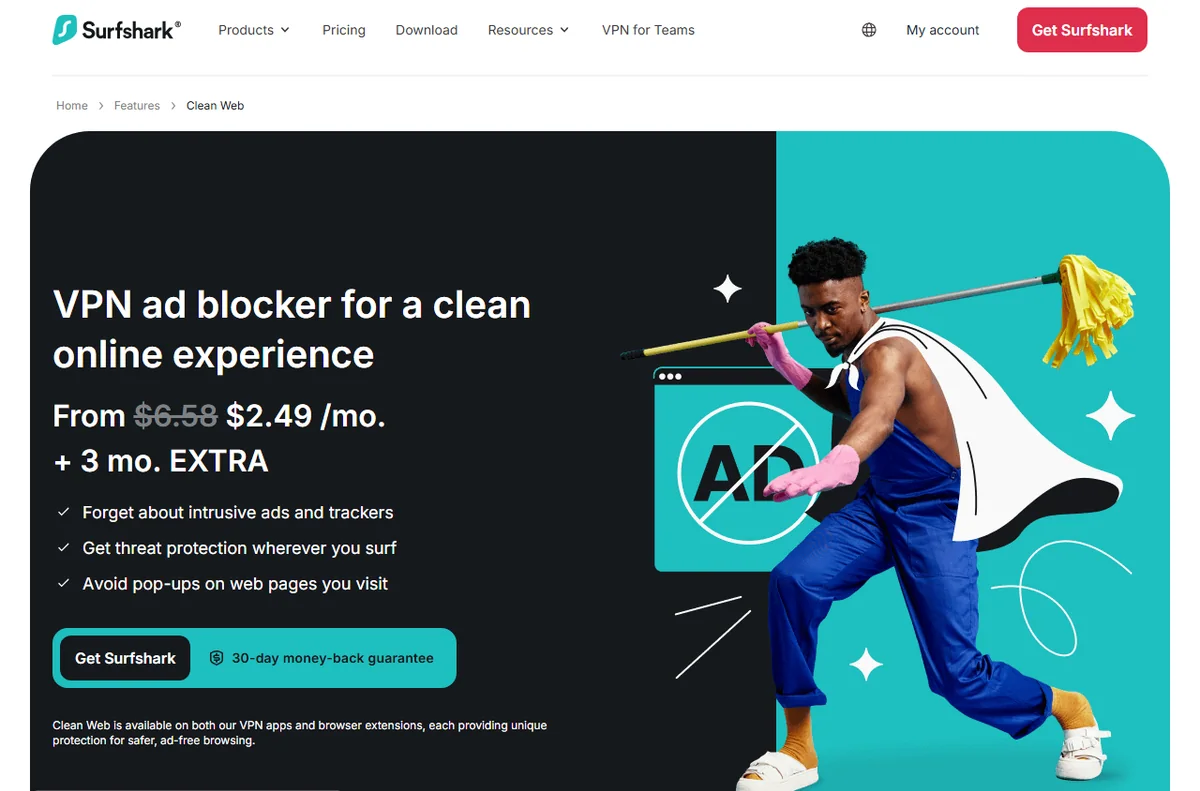
    Surfshark cleanweb page
    Surfshark cleanweb (image: surfshark.com)

    A site blocks the VPN

    Some sites detect traffic from known VPN ranges and block it. That is about the server address, not your account, so the fix is usually a different location.

    Try another city or country for that site, and avoid reconnecting and retrying too fast, which can look like automated traffic.

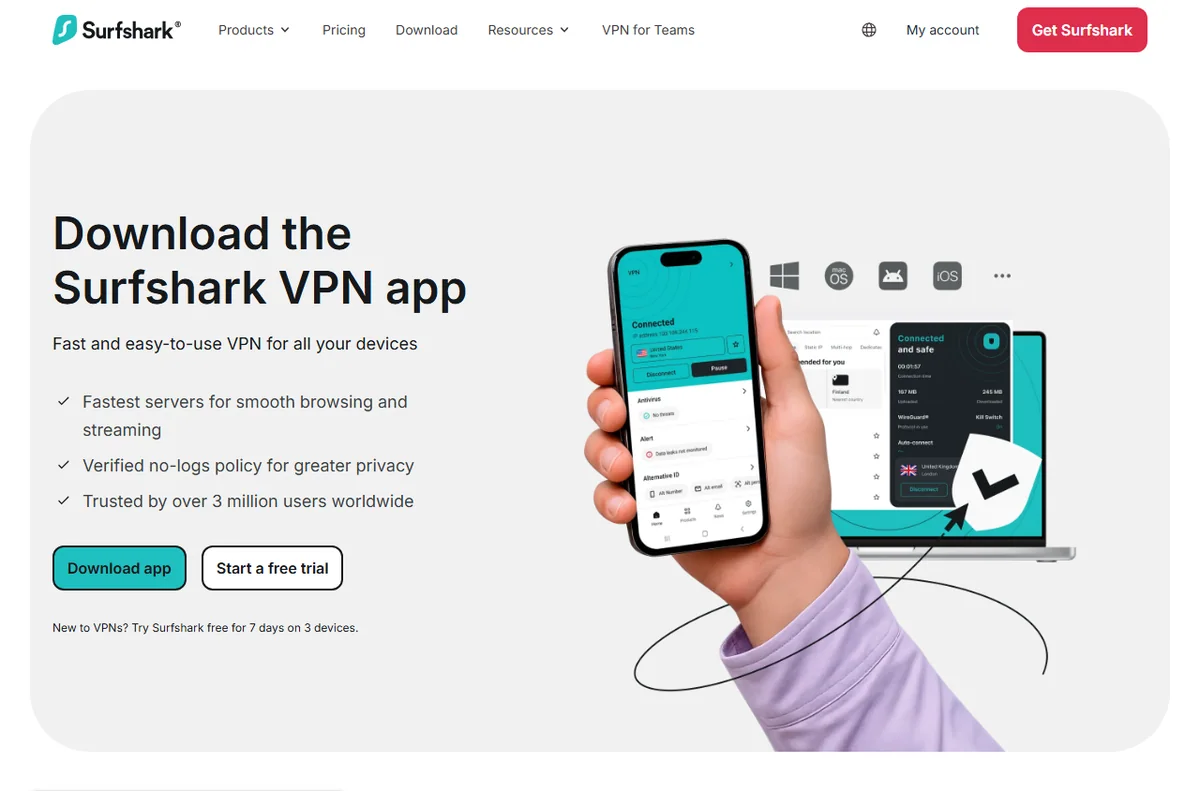
    Surfshark download page
    Surfshark download (image: surfshark.com)

    Cannot sign in

    Sign-in failures are usually the password, a two-factor prompt, or a device limit rather than the tunnel itself.

    Confirm the credentials, check the two-factor app, and review how many devices the account is already using.

    Symptom to fix

    SymptomLikely causeFix
    Will not connectProtocol or a restricted networkSwitch protocol, then try another network
    Slow speedsServer distance or loadChoose a nearby or fastest server
    Keeps disconnectingKill switch or network switchingReview kill switch and auto-connect
    Site blocks the VPNServer address is flaggedTry a different location
    Cannot sign inCredentials, two-factor or device limitReset the password, review devices
    General guidance, checked October 9, 2026. Confirm specifics inside your own Surfshark setup.
    Surfshark features page
    Surfshark features (image: surfshark.com)

    Where this fits

    Start with the security and privacy hub. For the basics read what Surfshark is, and for the setup steps see how to set up Surfshark.

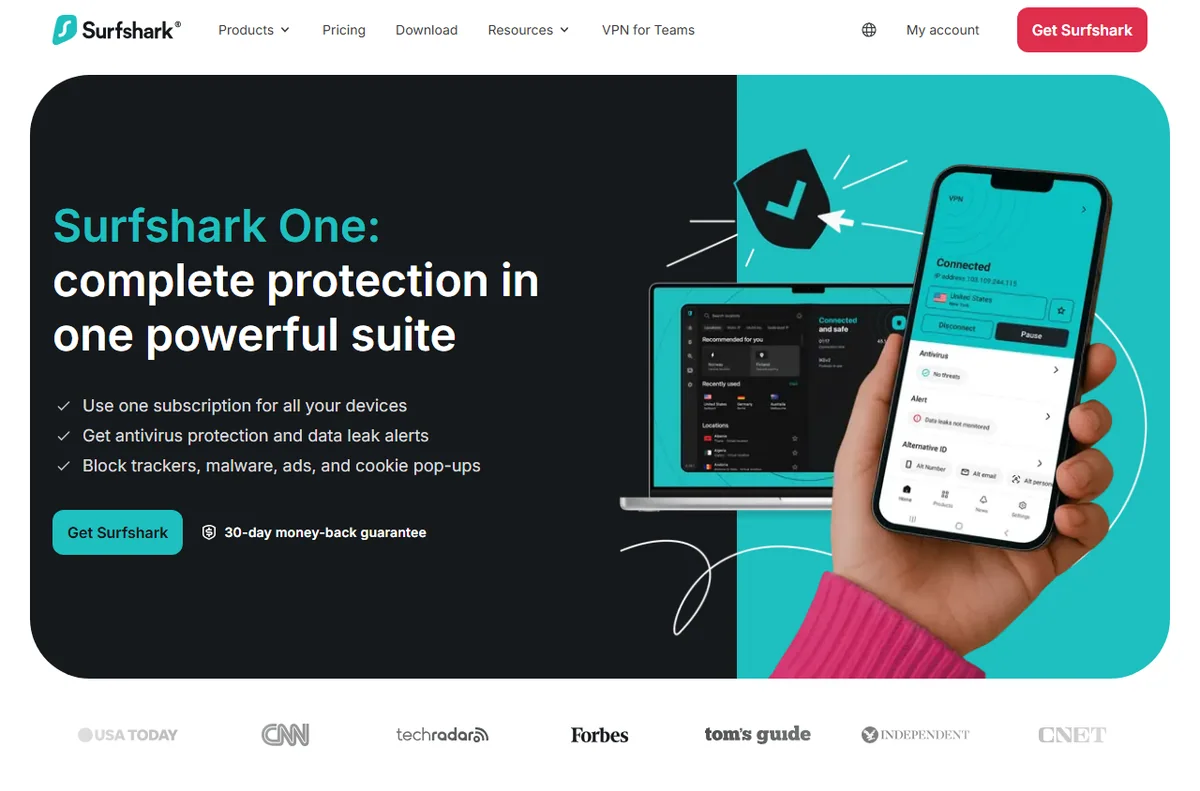
    Surfshark one page
    Surfshark one (image: surfshark.com)

    Frequently asked

    Can I fix these problems myself?

    Many of them, yes. Protocol, server choice and app settings are in your hands. Server-side faults need a support ticket.

    Why does my connection drop on one network only?

    That network is likely blocking the tunnel or switching you between Wi-Fi and mobile data. Try another protocol or a hotspot.

    Does the kill switch cause disconnects?

    It can look that way. The kill switch cuts traffic when the tunnel drops, so a flaky line shows up as repeated disconnects.

    Why can I not open one specific site?

    That site is probably detecting the server address. Choose a different location and avoid rapid retries.

    Get connected again

    Sort the common snags and stay encrypted.

    Some links on this page may be referral links — we may earn a reward if you sign up, at no extra cost to you. We are an independent publisher. See our Affiliate Disclosure.

    Related reading

  • What is Surfshark?

    What is Surfshark?

    Home / Security & Privacy / Guides / What is Surfshark

    Knowledge · security & privacy · updated October 9, 2026

    What is Surfshark?

    Surfshark is a virtual private network (VPN) service that encrypts your connection and lets you appear to browse from another location. This guide explains what it does, how its apps and account are organised, and what it is not.

    Independent analysis. This page may contain affiliate links. If you sign up through a link on this page we may earn a reward at no extra cost to you, and it never changes what we recommend. We are an independent publisher and are not affiliated with, endorsed by, or an official partner of any tool mentioned. See our Affiliate Disclosure.

    TL;DR

    • Surfshark is a VPN service for encrypted, private browsing.
    • It offers apps for the major desktop and mobile platforms plus browser extensions.
    • A single account covers several devices at the same time.
    • Plans and prices change, so check the current pricing before you commit.
    • It is not an antivirus suite or a full security platform on its own.

    On this page: What Surfshark is · How it is organised · What it is good at · What it is not · Concept cheat sheet · Where this fits

    Surfshark home page
    Surfshark home (image: surfshark.com)

    What Surfshark is

    Surfshark is a subscription service rather than a piece of hardware. You install its app, sign in, and route your traffic through one of its servers so the sites you visit see the server’s address rather than your own.

    The core idea is a tunnel: your device talks to a Surfshark server over an encrypted link, and that server talks to the internet for you. Anyone watching your local network sees encrypted traffic, not the pages you open.

    Alongside the tunnel the service bundles extras such as a tracker and ad blocker, an alerts feature for breached accounts, and options like a dedicated IP. These sit on top of the tunnel rather than replacing it.

    Surfshark blog page
    Surfshark blog (image: surfshark.com)

    How Surfshark is organised

    Everything hangs off one account. A single subscription covers the apps, and how many devices you can connect at once depends on the plan you pick.

    The service is organised around server locations rather than fixed bundles. You choose a country or city in the app, and it connects you to the nearest or the fastest server in that group.

    The apps share one layout: a connect button, a searchable list of locations, and a settings area for the kill switch, split tunnelling and the protocol in use. The browser extensions cover web traffic only.

    Surfshark cleanweb page
    Surfshark cleanweb (image: surfshark.com)

    What Surfshark is good at

    • Encrypting traffic on public Wi-Fi and other untrusted networks.
    • Hiding your real IP address from the sites you visit.
    • Covering several devices under one account.
    • Reaching region-locked content that is not available at home.
    • Adding a tracker blocker without a second subscription.
    Surfshark download page
    Surfshark download (image: surfshark.com)

    What Surfshark is not

    • Not an antivirus: it does not scan for or remove infected files.
    • Not true anonymity: you still sign in and pay, so the account is tied to you.
    • Not a way to make unlawful activity safe or invisible.
    • Not free at scale, so check the current pricing for the plan and term you need.

    Concept cheat sheet

    ConceptMeaningWhy it matters
    VPN tunnelEncrypted link between your device and a serverHides traffic from the local network
    Server locationThe country or city you appear to browse fromChanges the IP sites see
    Kill switchCuts the connection if the tunnel dropsStops traffic leaking in the clear
    Split tunnellingSends chosen apps outside the tunnelUseful for local services
    ProtocolThe rules the tunnel usesAffects speed and reliability
    Private DNSResolves names without your provider seeing themReduces tracking
    Based on publicly documented behaviour, checked October 9, 2026.
    Surfshark features page
    Surfshark features (image: surfshark.com)

    Where this fits

    Start with the security and privacy hub. For the practical steps see how to set up Surfshark, and for everyday usage read how to use Surfshark for a small business.

    Surfshark one page
    Surfshark one (image: surfshark.com)

    Frequently asked

    Is Surfshark a VPN?

    Yes. It is a subscription VPN service with apps for the main desktop and mobile platforms, plus browser extensions.

    How many devices can I use?

    That depends on the plan. A single account usually covers several devices at once, so check the current plan details.

    Does it make me anonymous?

    No. It hides your IP from the sites you visit, but you still pay and sign in, so the account is linked to you.

    Will it slow my connection?

    Encryption and distance add some overhead. A nearby server usually keeps the drop small, and the app labels its fastest servers.

    Do I need it at home?

    Not always. It is most useful on untrusted networks, while travelling, or when a tool you need is only available in another region.

    Browse privately on any network

    One account, several devices, encrypted traffic.

    Some links on this page may be referral links — we may earn a reward if you sign up, at no extra cost to you. We are an independent publisher. See our Affiliate Disclosure.

    Related reading

  • How to Use Surfshark for a Small Business

    How to Use Surfshark for a Small Business

    Home / Security & Privacy / Guides / How to use Surfshark for a small business

    Use case · security & privacy · updated October 8, 2026

    How to use Surfshark for a small business: a practical guide

    For a small business, a VPN is less about hiding and more about consistency: the same protection on every laptop, phone and network your team happens to use. This guide covers the ways Surfshark earns its place in a small operation, from remote work to shared access, and the habits that keep it useful rather than forgotten.

    Surfshark official homepage for its VPN and security products
    Surfshark official homepage (image: surfshark.com)

    Independent analysis. This page may contain affiliate links. Some links here are referral links; if you sign up through one we may earn a reward at no extra cost to you, and it never changes what we recommend. We are an independent publisher and are not affiliated with, endorsed by, or an official partner of any tool mentioned. See our Affiliate Disclosure.

    TL;DR

    • Protect remote and travelling staff by keeping the tunnel on whenever they leave a trusted network.
    • Treat the account as shared infrastructure: track who is connected and on which device.
    • Use the dashboard for a quick device review instead of auditing each machine by hand.
    • Keep cost predictable by noting the renewal date and plan limits in advance.
    • Write a short internal rule so everyone knows when the VPN should be on.

    On this page: What this covers · What matters most for a small business · Remote work and untrusted networks · Shared access without sharing passwords · Simple admin and device management · Keeping cost predictable · A short internal VPN policy · Common mistakes to avoid · Where this fits in your wider stack

    What this covers

    A small business rarely needs every feature a VPN offers. It needs a few outcomes: staff protected on untrusted networks, a workable way to share access, and a low-friction routine that survives a busy week.

    This page maps those outcomes to how Surfshark is actually used day to day, and flags the decisions that tend to cause trouble later.

    Surfshark VPN features overview
    Surfshark features (image: surfshark.com)

    What matters most for a small business

    Before turning on features one by one, decide which of these priorities apply to you. They are ordered by how often they cause real problems in small teams.

    Priority Why it matters How to handle it
    Untrusted networksStaff on public or shared Wi-Fi expose their traffic to snooping.Enable auto-connect so the tunnel starts on unknown networks.
    Device sprawlLaptops, phones and tablets multiply the endpoints.Track who installed the app and on what, and stay within your device limit.
    Shared credentialsOne login shared by many people is hard to audit or revoke.Keep the owner list short, and change the password when someone leaves.
    Cost driftSubscriptions renew quietly and grow with headcount.Note the renewal date and re-check the official pricing page before it renews.
    Based on publicly documented behaviour, checked October 8, 2026.
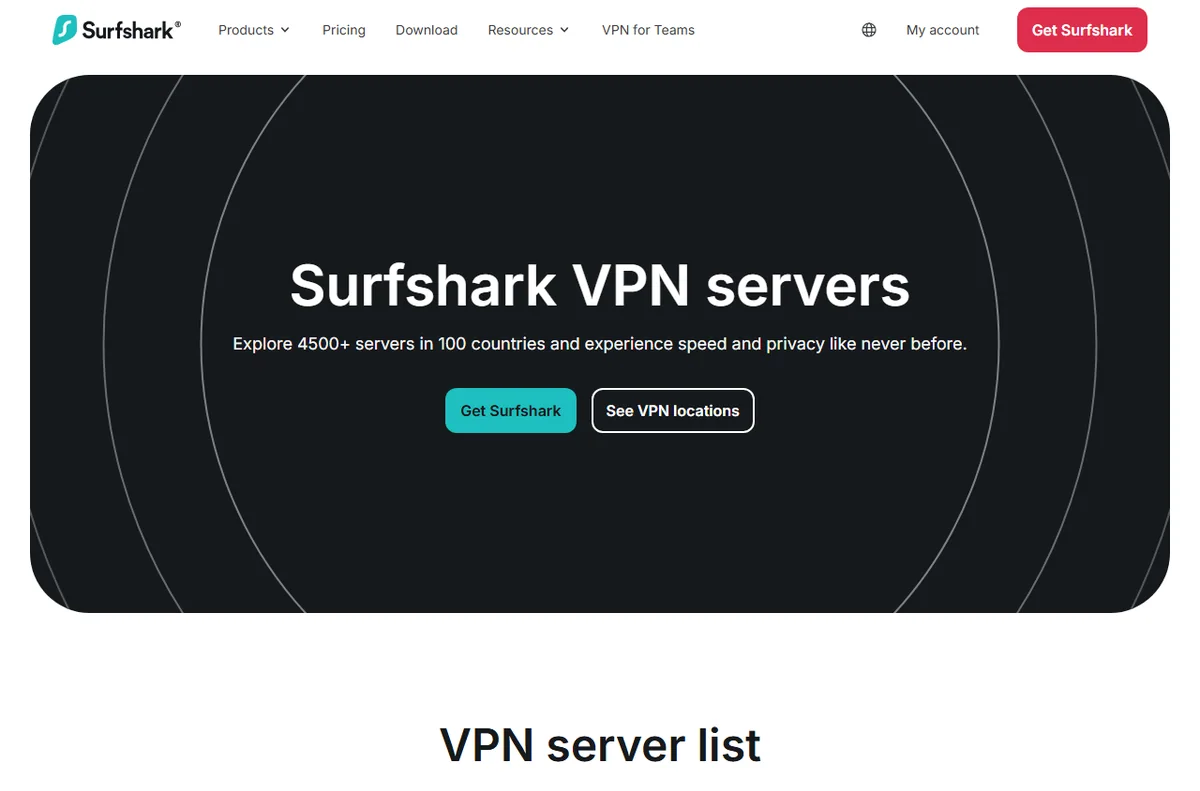
    Surfshark VPN server location list
    Surfshark servers (image: surfshark.com)

    Remote work and untrusted networks

    The clearest win is remote work. A laptop that roams between home, cafes, hotels and client offices is repeatedly joining networks you do not control. With the VPN set to connect automatically, the user does not have to remember anything.

    Travelling staff benefit most. Airports and hotel networks are convenient and hard to trust, and a tunnel turns an unknown network into a consistent one. Confirm the settings on each device once, then let auto-connect handle the rest.

    Surfshark One protective bundle page
    Surfshark One (image: surfshark.com)

    Shared access without sharing passwords

    Sharing one login across the whole company is common and workable at a small scale, but it needs a little discipline. Keep the number of people who know the credentials as small as practical, and store them somewhere central rather than in a chat thread.

    When someone leaves, treat it like any other access change: rotate the password, sign out the devices that should no longer connect, and reconnect the ones that should. A short checklist makes this a five-minute job instead of a scramble.

    Surfshark download page for all devices
    Surfshark download (image: surfshark.com)

    Simple admin and device management

    If your account includes a dashboard, use it as your home base. It gives you a single view of connected devices, which is far easier than asking every person what they installed.

    For a business without dedicated IT, that single view is often the difference between knowing your security posture and guessing. Review it every few weeks, not every day.

    Surfshark pricing plans
    Surfshark pricing (image: surfshark.com)

    Keeping cost predictable

    VPN costs stay predictable when you treat them like any other subscription. Record the renewal date, the device allowance and the plan you are on in one place, and revisit it before renewal rather than after.

    If headcount grows, check whether the current allowance still covers everyone at once. If it does not, compare the next tier against the cost of a second account before deciding.

    A short internal VPN policy

    You do not need a long document. A few clear lines will do, and the team will actually read them.

    • When the VPN should be on: always on untrusted networks, optional on trusted office networks.
    • Who holds the account details, and who is allowed to add or remove devices.
    • What to do if a device is lost: rotate the password and remove the device promptly.
    • Where to check plan limits and renewal dates, so nobody is surprised.
    Surfshark CleanWeb feature page
    Surfshark CleanWeb (image: surfshark.com)

    Common mistakes to avoid

    Most problems come from setup habits rather than the tool. Installing the app without checking the connection, forgetting to verify the device count, and leaving the account details with people who have left are the recurring three.

    A short verification step after each device is set up, plus one regular account review, removes nearly all of it.

    Surfshark blog with privacy guides
    Surfshark blog (image: surfshark.com)

    Where this fits in your wider stack

    To judge whether Surfshark is the right pick for your team, read the independent Surfshark review and start from the security and privacy hub. Weighing alternatives? Compare providers in Surfshark vs PureVPN and review VPNs suited to remote work before you commit.

    Frequently asked

    Do we need a VPN if the whole team works from one office?

    Not always for the office network itself, but it still helps for laptops that leave the building, home workers and anyone using public Wi-Fi. If devices never leave a trusted network, the value is much smaller.

    Is sharing one account across the team acceptable?

    It is common in very small teams and generally workable, but it needs discipline. Keep the list of credential holders short, store the login centrally, and rotate the password when someone leaves.

    How often should we review connected devices?

    Every few weeks is usually enough for a small team. The point is to spot devices that should have been removed, not to watch the dashboard daily.

    Will this replace our other security tools?

    No. A VPN protects traffic in transit. Antivirus, patching and password management still matter and are separate jobs.

    Protect your team with Surfshark

    Review the current plans and device limits on the official site before you choose.

    Referral link — we may earn a reward if you sign up, at no extra cost to you. We are an independent publisher. See our Affiliate Disclosure.

  • How to Set Up Surfshark: VPN, Step by Step

    How to Set Up Surfshark: VPN, Step by Step

    Home / Security & Privacy / Guides / How to set up Surfshark

    Tutorial · security & privacy · updated October 8, 2026

    How to set up Surfshark: a practical walkthrough

    Setting up a VPN for a small team is mostly a matter of order: pick the plan, install the apps, connect, then tighten the settings you actually care about. This walkthrough covers a standard Surfshark setup from first login to a working rollout across a handful of devices, and it assumes no technical background.

    Surfshark official homepage for its VPN and security products
    Surfshark official homepage (image: surfshark.com)

    Independent analysis. This page may contain affiliate links. Some links here are referral links; if you sign up through one we may earn a reward at no extra cost to you, and it never changes what we recommend. We are an independent publisher and are not affiliated with, endorsed by, or an official partner of any tool mentioned. See our Affiliate Disclosure.

    TL;DR

    • Create your account on the official site and pick the plan that matches how many devices you need to cover.
    • Install the app on each device, then sign in with the same account.
    • Connect, confirm the IP and DNS have changed, then switch on the settings that matter for your team.
    • Use the account dashboard to keep an eye on connected devices instead of checking them one by one.
    • Check the official pricing page for current plans, device limits and billing terms.

    On this page: What this covers · Before you start · Choosing a plan · Step 1 — Create your account · Step 2 — Install on your devices · Step 3 — Connect and verify · Step 4 — Turn on the features that matter · Step 5 — Roll it out to a team · Where this fits in your wider stack

    What this covers

    This guide walks through a normal Surfshark setup end to end: choosing a plan, creating the account, installing the app on each device, connecting, and confirming that the connection is really doing what you expect. It then covers the handful of settings that carry most of the value for a small team.

    The order matters more than the speed. If you install first and plan later, you end up re-installing apps and re-sharing logins. Read the whole page once, then work through it.

    Before you start

    • A list of the devices and operating systems you intend to cover.
    • Logins for the people who will use the account, or one trusted owner if you are setting it up on their behalf.
    • A few minutes per device for downloading and installing the app.
    • Your password manager, so the account login is stored rather than reused.
    • Access to your usual network details, in case a service needs to be excluded later.
    Surfshark pricing plans
    Surfshark pricing (image: surfshark.com)

    Choosing a plan

    Surfshark keeps its lineup fairly simple, and the right choice comes down to how many devices and people you are protecting. Terms and device allowances change, so check the official pricing page for the current options before you commit.

    Option What it means Choose it when
    Single accountOne login used across your own devices.One person manages everything and the team is very small.
    Higher device allowanceMore simultaneous connections to share with staff.Several people need to be online at the same time.
    Longer billing termA lower effective monthly rate across a longer commitment.You expect to keep the service and want fewer renewal decisions.
    Based on publicly documented behaviour, checked October 8, 2026.
    Surfshark One protective bundle page
    Surfshark One (image: surfshark.com)

    Step 1 — Create your account

    1. Go to the official Surfshark site and choose a plan.
    2. Create an account with an email address you control and will keep.
    3. Confirm the email, then save the login in your password manager.
    4. Note the renewal date and price somewhere you will find it again before it renews.
    Surfshark download page for all devices
    Surfshark download (image: surfshark.com)

    Step 2 — Install on your devices

    1. Download the app for each operating system from the official downloads page.
    2. Install it and sign in with the account you just created.
    3. Repeat on phones, laptops and any other devices the team uses.
    4. Check how many simultaneous connections your plan allows before adding more.
    Surfshark VPN server location list
    Surfshark servers (image: surfshark.com)

    Step 3 — Connect and verify

    1. Open the app and choose a server location, starting with one nearby for speed.
    2. Connect and wait until the status clearly shows as active.
    3. Check your visible IP address in a search engine to confirm it has changed.
    4. Run a DNS leak test and confirm your real network details are not showing.
    Surfshark CleanWeb ad and tracker blocker feature page
    Surfshark CleanWeb (image: surfshark.com)

    Step 4 — Turn on the features that matter

    Surfshark bundles more than a plain tunnel. For a small team, a few settings carry most of the value, and the rest can wait until you have a reason to use them.

    • Kill switch, so traffic stops instead of leaking if the connection drops.
    • Auto-connect on untrusted networks such as public Wi-Fi.
    • Multi-hop, which routes traffic through a second server for an extra layer.
    • Tracker and ad filtering, to cut down on nuisance scripts while browsing.
    Surfshark VPN features overview for teams
    Surfshark features (image: surfshark.com)

    Step 5 — Roll it out to a team

    Once a single device works, the next step is repetition with a record. Keep a short list of who has installed the app and on what, so you are not hunting for gaps later.

    If the account includes a web dashboard, use it to review connected devices rather than checking each machine by hand. When someone leaves, change the account password and reconnect the devices that stay.

    Surfshark blog with privacy guides
    Surfshark blog (image: surfshark.com)

    Where this fits in your wider stack

    If you are still deciding whether Surfshark is the right fit, start with the independent Surfshark review and the security and privacy hub. Comparing providers directly? See Surfshark vs PureVPN, or browse the best VPN options for small business before you settle.

    Frequently asked

    Do I need technical skills to set Surfshark up?

    No. The apps are graphical, and the steps are the same on most platforms: install, sign in, connect. The only part that deserves care is verifying the connection after the first one.

    How many devices can I use at once?

    That depends on the plan, and it changes over time. Check the official pricing page for the current device allowance before you plan a rollout across a team.

    Will a VPN slow my connection down?

    Any VPN adds some overhead because traffic is encrypted and routed. In practice the effect varies by server and distance, so pick a nearby location when speed matters more than the country shown.

    Is a VPN a replacement for antivirus or a password manager?

    No. A VPN protects traffic in transit. It does not scan files or store your passwords, so keep those tools separate and running.

    Get Surfshark for your team

    Compare the current plans and device allowances on the official site before you decide.

    Referral link — we may earn a reward if you sign up, at no extra cost to you. We are an independent publisher. See our Affiliate Disclosure.