We’re reader-supported — some links are affiliate links. Learn more →

Skip to content

Independent software research. Some links may earn us a commission at no extra cost to you. Learn more →

ICode

Tag: startups

  • FreshBooks for startups: is it worth it in 2026?

    FreshBooks for startups: is it worth it in 2026?

    Home / Payments & Finance / Guides / FreshBooks for startups

    For startups · Payments & Finance · updated 2026

    FreshBooks for startups: is it worth it in 2026?

    If you are early-stage startups, here is how FreshBooks fits, what it does well, where it falls short, and how to decide before you pay.
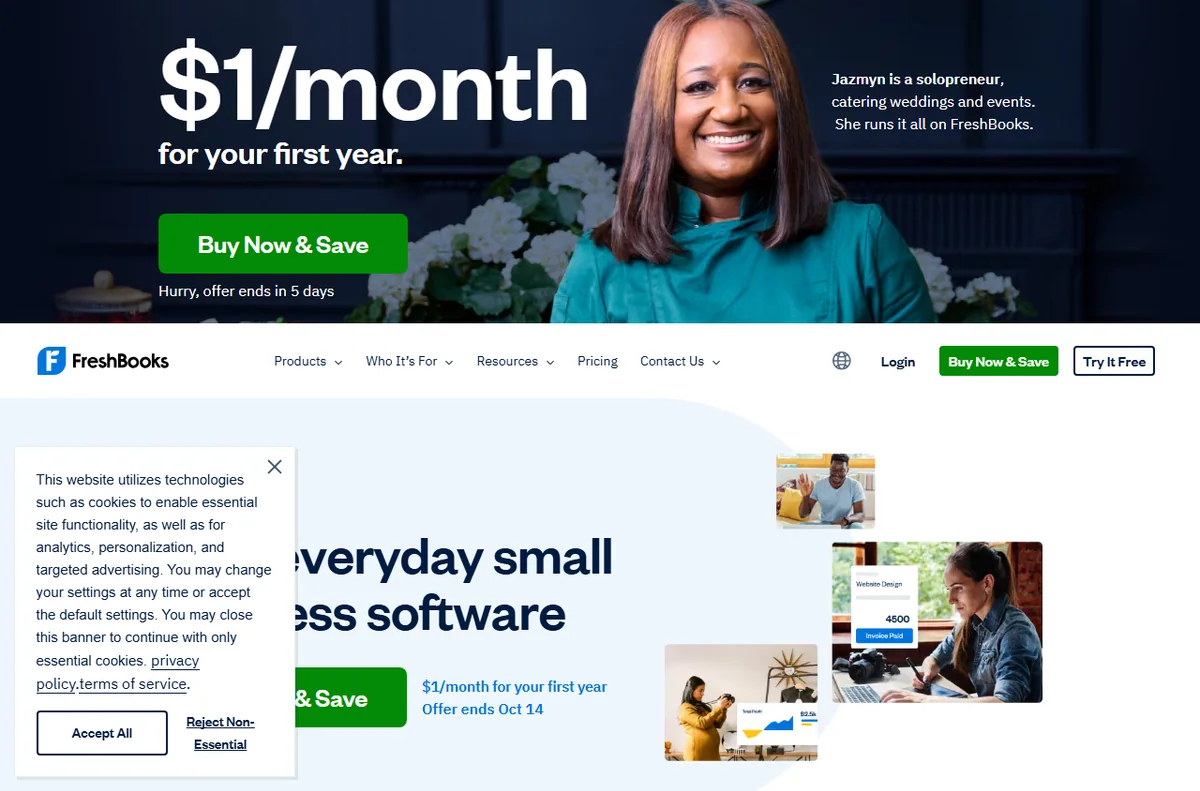
    FreshBooks screenshot
    FreshBooks official site (image: freshbooks.com)

    Independent analysis. This page may contain affiliate links. Some links here are referral links; if you sign up through one we may earn a reward at no extra cost to you, and it never changes what we recommend. See our Affiliate Disclosure.

    TL;DR

    • FreshBooks is Accounting and invoicing for small service businesses.
    • Best for: freelancers and small service firms.
    • Standout strength: invoicing simplicity.
    • Pricing: From about $19/mo.

    Does FreshBooks fit startups?

    For early-stage startups, FreshBooks is a strong fit when invoicing simplicity matters more than limited client billing features. Teams that need the opposite often pair it with a complementary tool.

    FreshBooks accounting dashboard with invoices and expenses
    FreshBooks accounting dashboard (image: freshbooks.com)

    What you get

    • Simple invoicing and expenses
    • Great for freelancers
    • Time tracking built in

    Where it falls short

    • Limited client billing features
    • Pricier as clients grow
    • Fewer accountant tools
    FreshBooks sign-up screen to create a new account
    FreshBooks sign-up (image: freshbooks.com)

    How to set up FreshBooks for startups

    • Create your account and pick the plan that matches your volume.
    • Connect the tools you already use for startups.
    • Start with one high-value workflow, then expand once it runs clean.
    • Review pricing before you scale usage or seats.
    FreshBooks pricing plans and tiers
    FreshBooks pricing (image: freshbooks.com)

    Pricing

    From about $19/mo. Confirm current pricing and renewal rates on the official site before committing.

    Alternatives to consider

    • Wise review — freelancers and businesses paying internationally.

    Verdict

    FreshBooks is worth it for early-stage startups when you value invoicing simplicity. Compare it with the alternatives above and our full FreshBooks review before you decide.

    Ready to try FreshBooks? Check current plans and pricing on the official site. Visit FreshBooks → (affiliate link)

    FreshBooks company page
    FreshBooks company page (image: freshbooks.com)

    Frequently asked questions

    Is FreshBooks good for startups?

    Yes, for many early-stage startups it is a solid choice, especially when invoicing simplicity is a priority.

    How much does FreshBooks cost?

    Entry pricing is from about $19/mo. Check the official pricing page for current numbers.

    Can I start free?

    There is no permanent free plan; there is usually a trial instead.

    Related reading

  • Wise for startups: is it worth it in 2026?

    Wise for startups: is it worth it in 2026?

    Home / Payments & Finance / Guides / Wise for startups

    For startups · Payments & Finance · updated 2026

    Wise for startups: is it worth it in 2026?

    If you are early-stage startups, here is how Wise fits, what it does well, where it falls short, and how to decide before you pay.

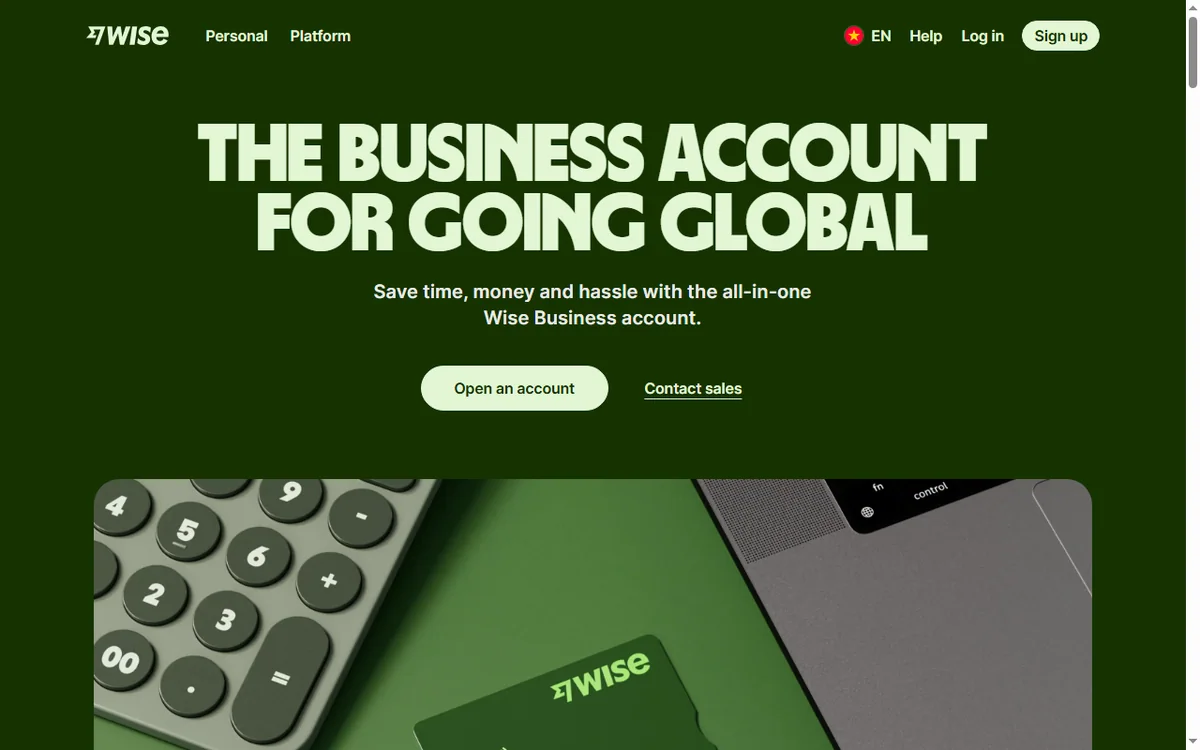
    Wise screenshot
    Wise official site (image: wise.com)

    Independent analysis. This page may contain affiliate links. Some links here are referral links; if you sign up through one we may earn a reward at no extra cost to you, and it never changes what we recommend. See our Affiliate Disclosure.

    TL;DR

    • Wise is Low-cost international transfers and multi-currency accounts.
    • Best for: freelancers and businesses paying internationally.
    • Standout strength: exchange-rate honesty.
    • Pricing: Free account; small fee per transfer.

    Does Wise fit startups?

    For early-stage startups, Wise is a strong fit when exchange-rate honesty matters more than not a full bank. Teams that need the opposite often pair it with a complementary tool.

    Wise multi-currency account view
    Wise multi-currency account (image: wise.com)

    What you get

    • The real exchange rate with low fees
    • A multi-currency account and card
    • Transparent pricing

    Where it falls short

    • Not a full bank
    • Limited credit products
    • Availability varies by country
    Wise registration screen for a new account
    Wise sign-up (image: wise.com)

    How to set up Wise for startups

    • Create your account and pick the plan that matches your volume.
    • Connect the tools you already use for startups.
    • Start with one high-value workflow, then expand once it runs clean.
    • Review pricing before you scale usage or seats.
    Wise pricing and fees page
    Wise pricing (image: wise.com)

    Pricing

    Free account; small fee per transfer. Confirm current pricing and renewal rates on the official site before committing.

    Alternatives to consider

    Verdict

    Wise is worth it for early-stage startups when you value exchange-rate honesty. Compare it with the alternatives above and our full Wise review before you decide.

    Ready to try Wise? Check current plans and pricing on the official site. Visit Wise → (affiliate link)

    Wise business account features
    Wise business (image: wise.com)

    Frequently asked questions

    Is Wise good for startups?

    Yes, for many early-stage startups it is a solid choice, especially when exchange-rate honesty is a priority.

    How much does Wise cost?

    Entry pricing is free account; small fee per transfer. Check the official pricing page for current numbers.

    Can I start free?

    Yes, there is a free or free-to-start plan you can evaluate first.

    Related reading

  • Pabbly Connect for startups: is it worth it in 2026?

    Pabbly Connect for startups: is it worth it in 2026?

    Home / Automation / Guides / Pabbly Connect for startups

    For startups · Automation · updated 2026

    Pabbly Connect for startups: is it worth it in 2026?

    If you are early-stage startups, here is how Pabbly Connect fits, what it does well, where it falls short, and how to decide before you pay.

    Pabbly Connect screenshot
    Pabbly Connect official site (image: pabbly.com)

    Independent analysis. This page may contain affiliate links. Some links here are referral links; if you sign up through one we may earn a reward at no extra cost to you, and it never changes what we recommend. See our Affiliate Disclosure.

    TL;DR

    • Pabbly Connect is Flat-rate automation with unlimited tasks on paid plans.
    • Best for: budget-conscious users with high task volume.
    • Standout strength: flat-rate pricing.
    • Pricing: Free; paid plans from about $16/mo.

    Does Pabbly Connect fit startups?

    For early-stage startups, Pabbly Connect is a strong fit when flat-rate pricing matters more than smaller integration library. Teams that need the opposite often pair it with a complementary tool.

    What you get

    • Unlimited tasks on paid tiers
    • Lower cost than task-based rivals
    • Supports multi-step workflows

    Where it falls short

    • Smaller integration library
    • Interface is less polished
    • Some apps lag behind

    How to set up Pabbly Connect for startups

    • Create your account and pick the plan that matches your volume.
    • Connect the tools you already use for startups.
    • Start with one high-value workflow, then expand once it runs clean.
    • Review pricing before you scale usage or seats.

    Pricing

    Free; paid plans from about $16/mo. Confirm current pricing and renewal rates on the official site before committing.

    Alternatives to consider

    • Make review — teams that want visual control over complex workflows.
    • Zapier review — beginners connecting two apps quickly.
    • n8n review — technical teams that want control and privacy.

    Verdict

    Pabbly Connect is worth it for early-stage startups when you value flat-rate pricing. Compare it with the alternatives above and our full Pabbly Connect review before you decide.

    Ready to try Pabbly Connect? Check current plans and pricing on the official site. Visit Pabbly Connect → (affiliate link)

    Frequently asked questions

    Is Pabbly Connect good for startups?

    Yes, for many early-stage startups it is a solid choice, especially when flat-rate pricing is a priority.

    How much does Pabbly Connect cost?

    Entry pricing is free; paid plans from about $16/mo. Check the official pricing page for current numbers.

    Can I start free?

    Yes, there is a free or free-to-start plan you can evaluate first.

    Related reading

  • n8n for startups: is it worth it in 2026?

    n8n for startups: is it worth it in 2026?

    Home / Automation / Guides / n8n for startups

    For startups · Automation · updated 2026

    n8n for startups: is it worth it in 2026?

    If you are early-stage startups, here is how n8n fits, what it does well, where it falls short, and how to decide before you pay.

    n8n screenshot
    n8n official site (image: n8n.io)

    Independent analysis. This page may contain affiliate links. Some links here are referral links; if you sign up through one we may earn a reward at no extra cost to you, and it never changes what we recommend. See our Affiliate Disclosure.

    TL;DR

    • n8n is Open-source, self-hostable automation with code when you need it.
    • Best for: technical teams that want control and privacy.
    • Standout strength: self-hosting flexibility.
    • Pricing: Self-host free; cloud from about $24/mo.

    Does n8n fit startups?

    For early-stage startups, n8n is a strong fit when self-hosting flexibility matters more than self-hosting needs technical skill. Teams that need the opposite often pair it with a complementary tool.

    What you get

    • Self-host to control costs and data
    • Code nodes for custom logic
    • Fair-code licence

    Where it falls short

    • Self-hosting needs technical skill
    • The cloud plan is newer
    • Docs assume some coding

    How to set up n8n for startups

    • Create your account and pick the plan that matches your volume.
    • Connect the tools you already use for startups.
    • Start with one high-value workflow, then expand once it runs clean.
    • Review pricing before you scale usage or seats.

    Pricing

    Self-host free; cloud from about $24/mo. Confirm current pricing and renewal rates on the official site before committing.

    Alternatives to consider

    Verdict

    n8n is worth it for early-stage startups when you value self-hosting flexibility. Compare it with the alternatives above and our full n8n review before you decide.

    Ready to try n8n? Check current plans and pricing on the official site. Visit n8n → (affiliate link)

    Frequently asked questions

    Is n8n good for startups?

    Yes, for many early-stage startups it is a solid choice, especially when self-hosting flexibility is a priority.

    How much does n8n cost?

    Entry pricing is self-host free; cloud from about $24/mo. Check the official pricing page for current numbers.

    Can I start free?

    Yes, there is a free or free-to-start plan you can evaluate first.

    Read more: How small teams wire workflows with n8n

    Read more: How small teams wire workflows with n8n

    Read more: How small teams wire workflows with n8n

    Read more: How small teams wire workflows with n8n

    Read more: How small teams wire workflows with n8n

    Read more: How small teams wire workflows with n8n

    Read more: How small teams wire workflows with n8n

    Read more: How small teams wire workflows with n8n

    Read more: How small teams wire workflows with n8n

    Read more: How small teams wire workflows with n8n

    Read more: How small teams wire workflows with n8n

  • Zapier for startups: is it worth it in 2026?

    Zapier for startups: is it worth it in 2026?

    Home / Automation / Guides / Zapier for startups

    For startups · Automation · updated 2026

    Zapier for startups: is it worth it in 2026?

    If you are early-stage startups, here is how Zapier fits, what it does well, where it falls short, and how to decide before you pay.

    Zapier screenshot
    Zapier official site (image: zapier.com)

    Independent analysis. This page may contain affiliate links. Some links here are referral links; if you sign up through one we may earn a reward at no extra cost to you, and it never changes what we recommend. See our Affiliate Disclosure.

    TL;DR

    • Zapier is The widest app-to-app integration library for simple automations.
    • Best for: beginners connecting two apps quickly.
    • Standout strength: breadth of integrations.
    • Pricing: Free; paid plans from about $19.99/mo.

    Does Zapier fit startups?

    For early-stage startups, Zapier is a strong fit when breadth of integrations matters more than gets pricey as task volume grows. Teams that need the opposite often pair it with a complementary tool.

    What you get

    • Thousands of app integrations
    • Simple trigger-and-action setup
    • Reliable for linear tasks

    Where it falls short

    • Gets pricey as task volume grows
    • Multi-step logic is awkward
    • The free plan is very limited

    How to set up Zapier for startups

    • Create your account and pick the plan that matches your volume.
    • Connect the tools you already use for startups.
    • Start with one high-value workflow, then expand once it runs clean.
    • Review pricing before you scale usage or seats.

    Pricing

    Free; paid plans from about $19.99/mo. Confirm current pricing and renewal rates on the official site before committing.

    Alternatives to consider

    Verdict

    Zapier is worth it for early-stage startups when you value breadth of integrations. Compare it with the alternatives above and our full Zapier review before you decide.

    Ready to try Zapier? Check current plans and pricing on the official site. Visit Zapier → (affiliate link)

    Frequently asked questions

    Is Zapier good for startups?

    Yes, for many early-stage startups it is a solid choice, especially when breadth of integrations is a priority.

    How much does Zapier cost?

    Entry pricing is free; paid plans from about $19.99/mo. Check the official pricing page for current numbers.

    Can I start free?

    Yes, there is a free or free-to-start plan you can evaluate first.

    Related reading

  • Make for startups: is it worth it in 2026?

    Make for startups: is it worth it in 2026?

    Home / Automation / Guides / Make for startups

    For startups · Automation · updated 2026

    Make for startups: is it worth it in 2026?

    If you are early-stage startups, here is how Make fits, what it does well, where it falls short, and how to decide before you pay.

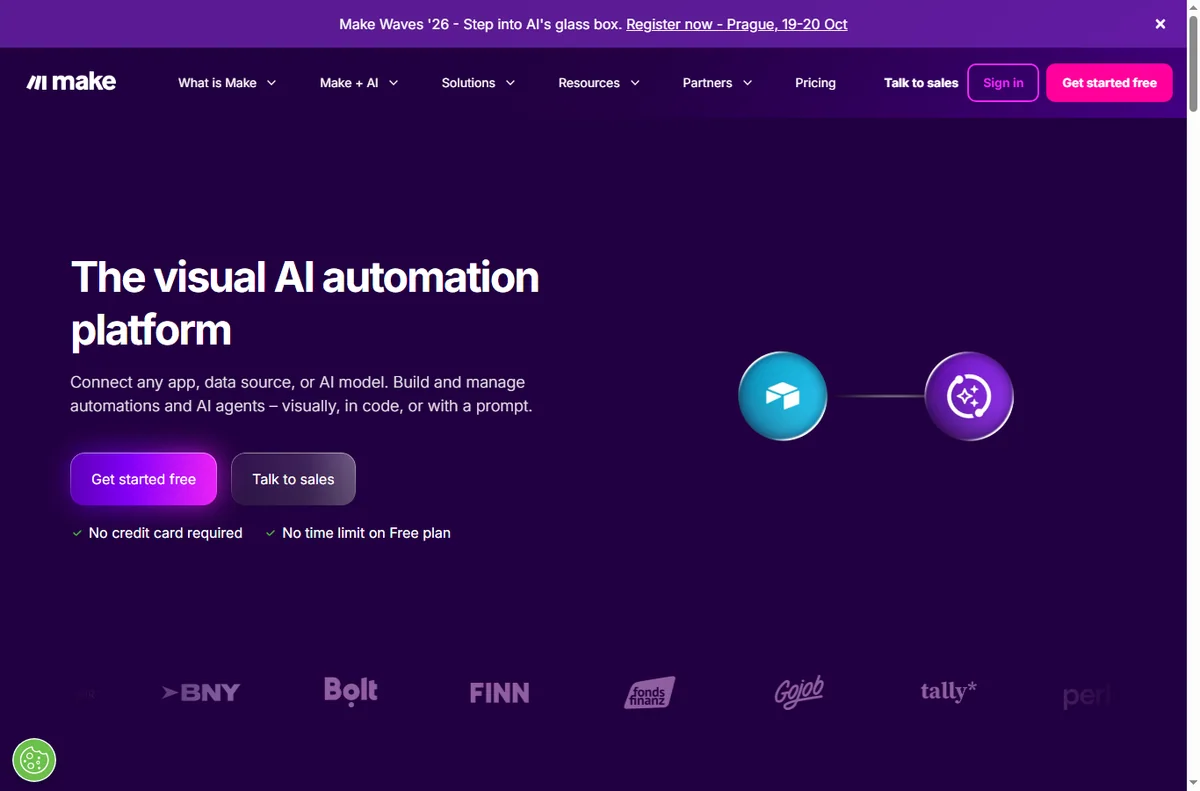
    Make screenshot
    Make official site (image: make.com)

    Independent analysis. This page may contain affiliate links. Some links here are referral links; if you sign up through one we may earn a reward at no extra cost to you, and it never changes what we recommend. See our Affiliate Disclosure.

    TL;DR

    • Make is Visual, no-code automation for multi-step workflows.
    • Best for: teams that want visual control over complex workflows.
    • Standout strength: visual power at volume.
    • Pricing: Free; paid plans from about $9/mo.

    Does Make fit startups?

    For early-stage startups, Make is a strong fit when visual power at volume matters more than steeper learning curve than simpler tools. Teams that need the opposite often pair it with a complementary tool.

    What you get

    • Drag-and-drop scenario builder
    • Large app library plus HTTP and webhook modules
    • Cheaper than rivals at high operation counts

    Where it falls short

    • Steeper learning curve than simpler tools
    • Operations-based pricing can surprise you
    • Errors often need manual debugging

    How to set up Make for startups

    • Create your account and pick the plan that matches your volume.
    • Connect the tools you already use for startups.
    • Start with one high-value workflow, then expand once it runs clean.
    • Review pricing before you scale usage or seats.

    Pricing

    Free; paid plans from about $9/mo. Confirm current pricing and renewal rates on the official site before committing.

    Alternatives to consider

    Verdict

    Make is worth it for early-stage startups when you value visual power at volume. Compare it with the alternatives above and our full Make review before you decide.

    Ready to try Make? Check current plans and pricing on the official site. Visit Make → (affiliate link)

    Frequently asked questions

    Is Make good for startups?

    Yes, for many early-stage startups it is a solid choice, especially when visual power at volume is a priority.

    How much does Make cost?

    Entry pricing is free; paid plans from about $9/mo. Check the official pricing page for current numbers.

    Can I start free?

    Yes, there is a free or free-to-start plan you can evaluate first.

    Related reading