
Independent analysis. This page may contain affiliate links.
How to Scale a Freelance Business
Freelancing rarely fails for lack of skill. It fails for lack of systems. Scaling means moving from doing every task yourself to running a business that delivers reliably, prices properly, and does not collapse when you take a week off.
This guide covers the moves that let a solo freelancer grow income without burning out, plus the tools that keep operations, clients, and finances under control.

Quick comparison table
| Option | Best for | Starting price |
|---|---|---|
| Upwork | Finding early clients and building a track record | Free (service fees apply) |
| Fiverr | Productized services and repeat orders | Free (20% commission) |
| Toptal | Senior freelancers seeking vetted clients | Free (application required) |
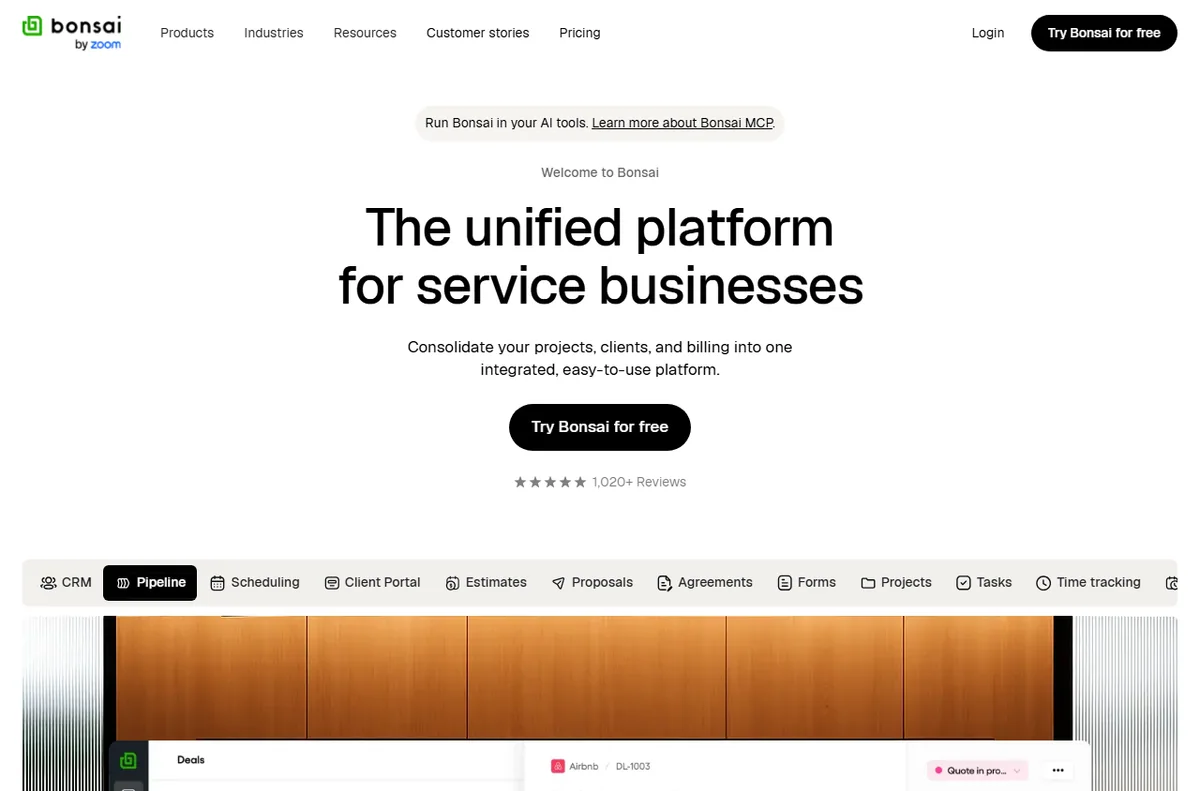
| Bonsai | Contracts, invoicing, and client management | From $25/mo |
| HoneyBook | Creative freelancers managing clients end to end | From $19/mo |
| FreshBooks | Freelancers wanting clean accounting and invoicing | From $19/mo |
Raise your rates before you hire help
Scaling starts with pricing. If you are fully booked and turning work away, your rate is too low. Raise prices for new clients first, then for existing ones at renewal with clear notice.
Higher rates attract better clients and give you the margin to delegate. A business running at capacity with low rates has nowhere to grow and no room for error. Recheck your rates every six months, because the market and your track record both move.
Productize what you sell repeatedly
Services you deliver the same way every time can be packaged into fixed-scope offers with fixed prices. Productized services are easier to sell, easier to deliver, and easier to hand off.
Document the steps once, then treat the package as a repeatable process. What once took custom scoping on every call becomes a standard checklist a contractor can follow. Name each package clearly so clients can choose without a long conversation.

Delegate and build a small team
Start by outsourcing the work that does not require your specific expertise: admin, scheduling, bookkeeping, and first-draft production. Hire contractors for depth when a single client needs more capacity.
Grow slowly and keep quality control tight. One reliable subcontractor you can trust beats three who need rework, and it protects the reputation that wins you clients. Set clear briefs and checkpoints so a mistake is caught before it reaches the client, not after.
Systemize client acquisition
Relying word-of-mouth alone makes income lumpy. Build a simple pipeline: a clear service page, a referral incentive, and one channel such as content or partnerships that brings inquiries consistently.
Track where clients come from. Double down on the two channels that actually convert and cut the rest rather than spreading yourself thin. Keep a light CRM so you know which prospects need a follow-up and when.

Get your finances and cash flow in order
Scaling strains cash flow because you pay contractors before clients pay you. Request deposits, shorten invoice terms, and keep a buffer that covers at least a couple of months of expenses.
Use accounting software to track profitability per client and per service. Some clients look lucrative until you account for the hours and revisions they consume. Set aside money for taxes and slow months, because freelance income rarely arrives on a smooth schedule.
Protect against burnout and single points of failure
If every deliverable depends on you, the business cannot scale and cannot survive a bad week. Reduce the number of clients you serve personally and increase the value of each engagement.
Build in time for business development and rest. A freelance business that only works when you are exhausted is not scaled; it is stretched. Protect your calendar the way you protect a client deadline, because your capacity is the whole business.
Pros
- Higher rates and productized offers create margin without adding hours
- Delegating routine work frees you for high-value client work
- Systemized acquisition smooths income instead of relying on luck

Cons
- Delegation risks quality dips if onboarding and review are sloppy
- Cash flow tightens when you pay contractors before clients pay you
- Growing beyond solo work means taking on management duties, not just craft
Frequently asked questions
When should I raise my rates?
When you are consistently booked and turning work away, or when a client takes a disproportionate share of your time. Raise for new clients first, and give existing clients clear advance notice.
Should I hire employees or contractors?
Most freelancers start with contractors for flexibility and lower overhead. Move to employees when you have steady, predictable work and need long-term reliability and control.
How do I keep clients when I raise prices?
Lead with the value and results you deliver, give notice well ahead of renewal, and offer a bridge for loyal clients if needed. Some will leave; the ones who stay usually fit you better and pay more.
What is a productized service?
A fixed-scope, fixed-price offer you deliver the same way each time, such as a website audit in five days. It simplifies selling, standardizes delivery, and makes delegation far easier.

Verdict
Scaling a freelance business is a sequence, not a leap. Raise rates until you have margin, productize repetitive work, delegate what you should not be doing, systemize how clients find you, and manage cash flow so growth does not become fragility. Tools like Bonsai, HoneyBook, and FreshBooks handle the operations so you can focus on the work that pays. The goal is a business that runs without you in every detail.
Read more: price your services · delegate work.