Independent analysis. This page may contain affiliate links.
How to Run Effective Meetings: A Practical Playbook
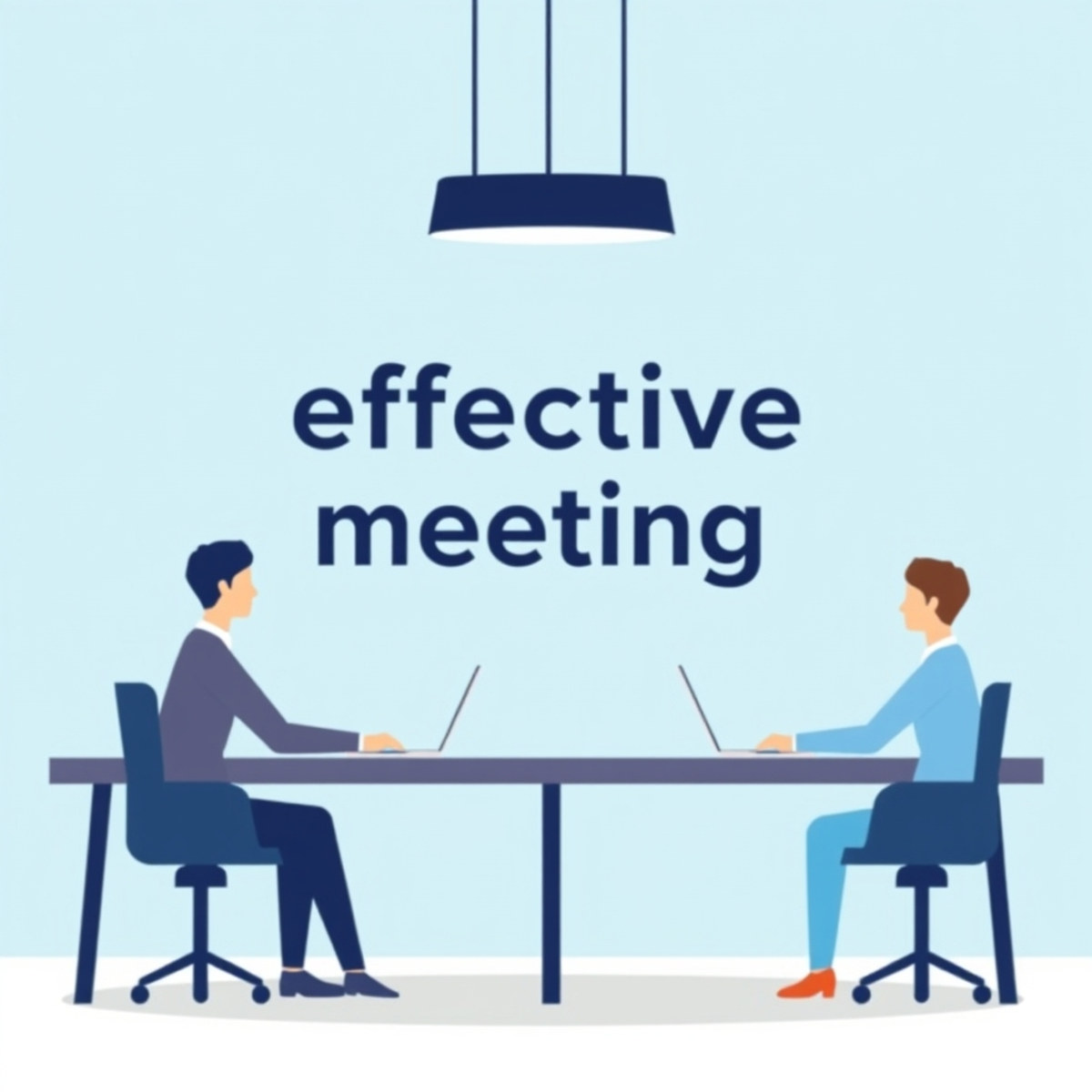
Most meetings fail before they start. No clear purpose, no agenda, too many people, and no decision at the end. The fix is not a new tool — it is a repeatable process you apply to every meeting, from a two-person check-in to a full team review.
This guide covers deciding whether a meeting is needed, building an agenda, facilitating well, and following up so work actually moves.
Quick comparison table
| Option | Best for | Starting price |
|---|---|---|
| Zoom | Video meetings and webinars | Free tier; paid from around $15/mo per host |
| Google Meet | Teams already on Google Workspace | Free; included with Workspace from around $6/user/mo |
| Microsoft Teams | Microsoft 365 organizations | Free tier; included with Business plans from around $6/user/mo |
| Calendly | Scheduling without email ping-pong | Free tier; paid from around $10/mo |
| Fellow | Agendas, notes, and action items | Free tier; paid from around $7/user/mo |
| Notion | Shared agendas and follow-ups | Free tier; paid from around $10/user/mo |
Ask whether a meeting is needed
Before booking, write down the outcome in one sentence. If you cannot, the meeting is not ready. A decision, a review, a brainstorm, or a status update each calls for different formats.
If the purpose is purely to share information, a written update usually beats a meeting. Reserve synchronous time for discussion, disagreement, and decisions that need real-time back-and-forth.
Build a tight agenda
Every agenda needs three things: the outcome, the topics with time boxes, and who owns each item. Put the most important item first, not last, because energy and attendance drop as time runs on.
Share the agenda in advance and ask people to add context beforehand. A short pre-read turns a thirty-minute meeting into fifteen.
Facilitate deliberately
Start on time even if someone is late; waiting rewards tardiness. State the outcome, then work the agenda. As facilitator your job is to keep discussion on track, draw out quiet voices, and cut tangents into a parking lot for later.
Parking-lot ideas are not lost — they are deferred. Decide explicitly whether this is a decision meeting or a discussion. If a decision is needed, name the decision-maker and end with a clear call.
Assign actions and follow up
Never end without reading back the actions, owners, and due dates. Vague commitments like “someone should look into this” evaporate within a day.
Send a short recap within a few hours: decisions made, actions assigned, and anything parked. Store it where the team works so it can be found, not buried in an inbox.
Shrink the standing meeting
Recurring meetings grow like weeds. Audit them monthly: does this still need to exist, could it be shorter, could it be async? Cut the attendee list to essential people and let others read the notes.
Try a standing agenda with rotating deep dives, and cancel the meeting when there is nothing to decide. A canceled meeting is often the most productive one.
Use async where it fits
Status updates, simple approvals, and FYI items belong in writing. Tools like Notion, Slack, or project boards handle them better than a call. Keep meetings for what genuinely benefits from live conversation.
When you do meet, record it or capture notes so absent people are not forced into a second meeting to catch up.
Pros
- A clear agenda cuts meeting time dramatically
- Defined owners and due dates prevent stalled work
- Canceling unnecessary meetings frees hours each week
Cons
- Requires discipline that lapses without a facilitator
- Async alternatives fail if the team ignores written updates
Frequently asked questions
How long should a meeting be?
Set the shortest length that fits the agenda — often 25 or 50 minutes rather than 30 or 60, which also leaves transition time.
Should I record meetings?
Record when attendees or stakeholders cannot attend live, but always ask for consent and remember recordings are not a substitute for a recap.
What if the meeting keeps running over?
Time-box each agenda item and park anything over budget. If it happens repeatedly, the agenda is trying to cover too much.
Verdict
Effective meetings are designed, not improvised. Decide if you need one, build a tight agenda, facilitate to a decision, and follow up with clear owners. Cut everything else and move it to writing — your calendar, and your team, will thank you.
Read more: team communication · remote management.