
Independent analysis. This page may contain affiliate links.
Customer Onboarding Best Practices
Onboarding is where new customers decide whether your product was worth buying. A thoughtful welcome sequence shortens time to value, reduces early churn, and turns first-time buyers into advocates. A neglected one leaves users confused and cancels the subscription before they ever see the payoff.
This guide covers the practices that consistently move activation and retention numbers, plus the tools teams use to deliver them at scale.
Quick comparison table
| Option | Best for | Starting price |
|---|---|---|
| Intercom | Combining support chat with onboarding tours | From $74/mo |
| Userpilot | Product tours without engineering help | From $249/mo |
| Appcues | Non-technical teams building in-app flows | From $249/mo |
| Pendo | Product analytics tied to guided onboarding | Free base tier |
| Chameleon | Design-focused in-app experiences | From $279/mo |
| UserGuiding | Budget-conscious startups | From $129/mo |
Define what ‘onboarded’ means
Before you build anything, define the activation milestone that predicts retention. It might be connecting a data source, inviting a teammate, or sending the first invoice. Everything in onboarding should pull the user toward that moment.
Measure time to value, not steps completed. A user who reaches the key action in day one is far more likely to renew than one who wanders through a ten-step tour. Write the milestone on the wall of your team room, and review whether new features actually move users toward it. A milestone is only useful if you can measure it, so define the event in your analytics the same week you commit to it.
Reduce friction in the first session
Every extra field, permission request, and setup screen is a reason to leave. Let users explore with sample data, defer configuration until after they see value, and make the first win achievable in minutes.
Progress indicators help people finish what they start. A simple checklist that shows how close a user is to being set up consistently lifts completion rates. Audit the signup form every few months and delete every field you cannot justify.
Use in-app guidance instead of long emails
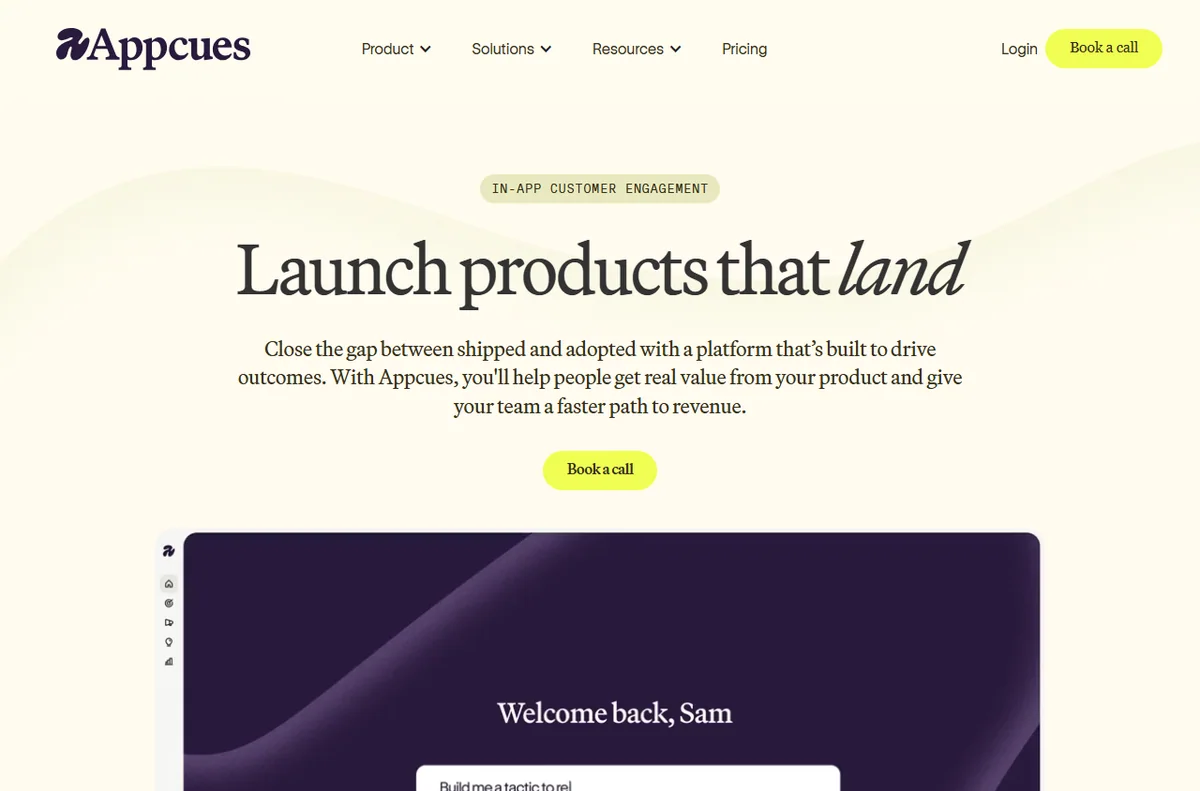
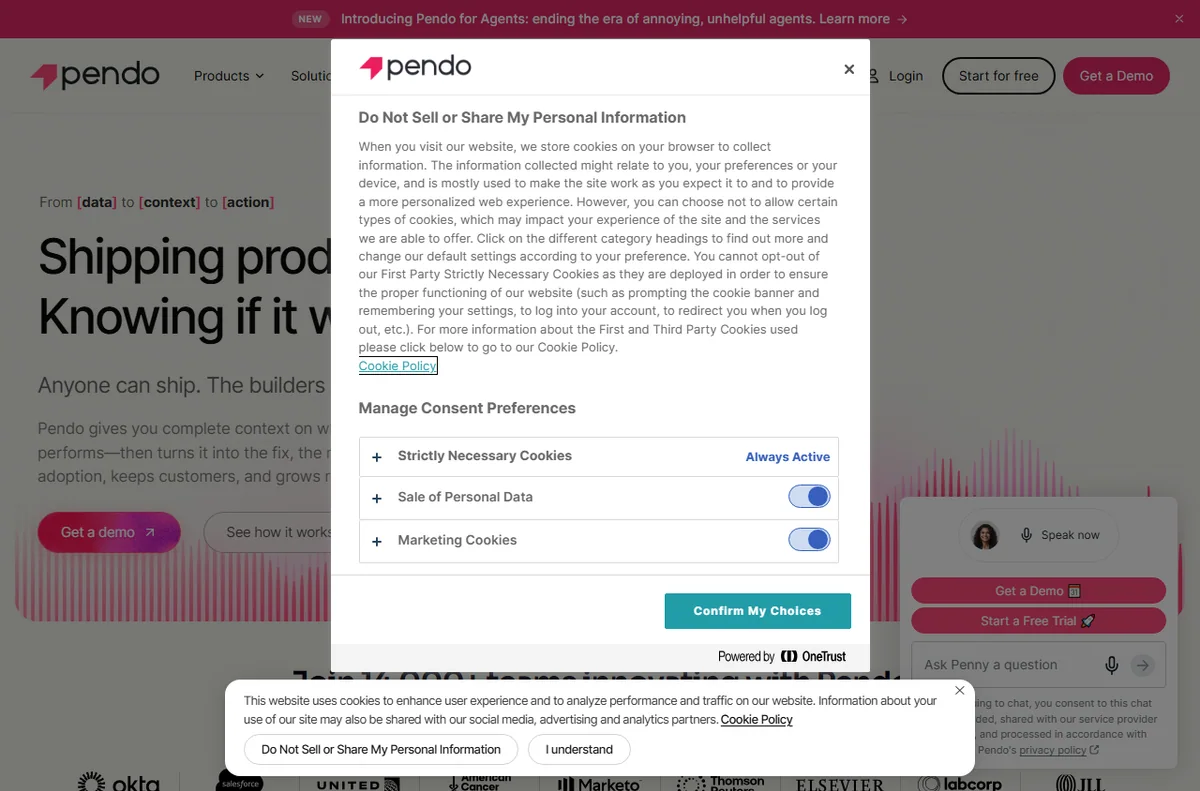
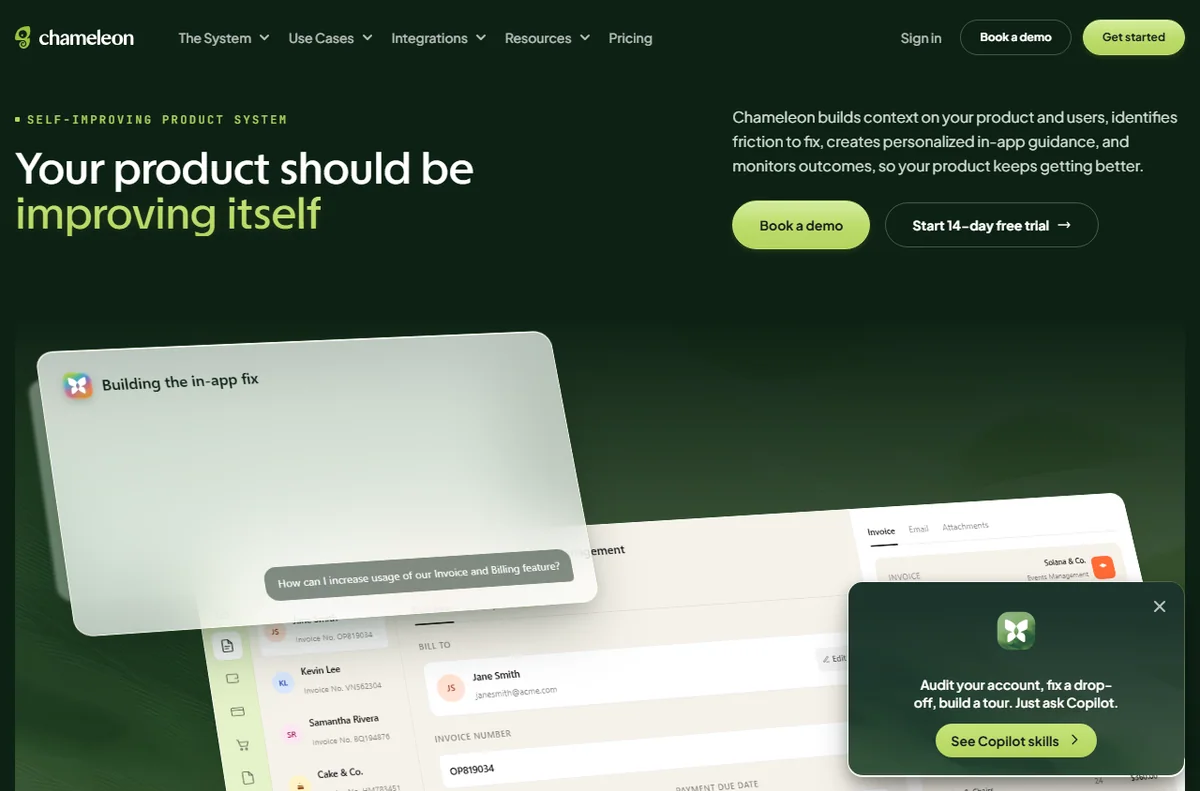
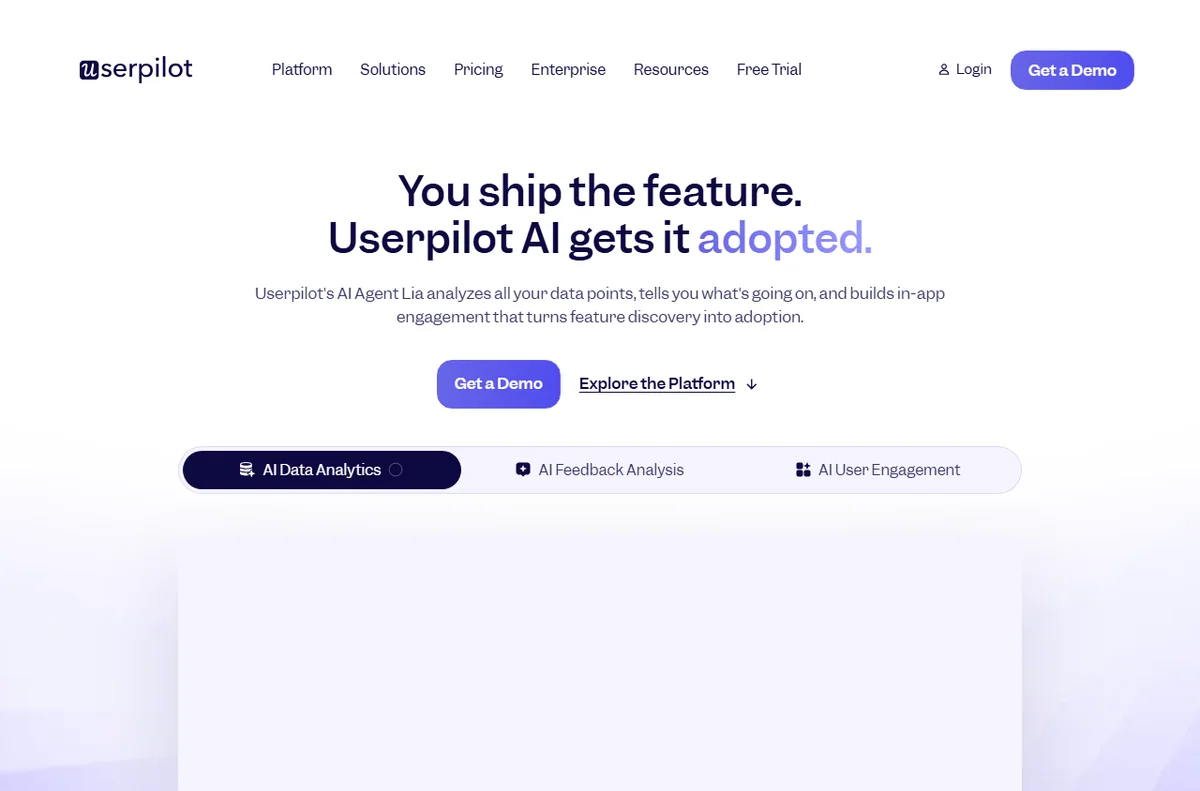
Tooltips, checklists, and short tours teach in context, where the user actually is. They beat a welcome email nobody reads. Tools like Userpilot, Appcues, and Chameleon let product managers build these flows without waiting on engineers.
Keep tours short and skippable. The goal is momentum, not a lecture. Save detailed education for a help center and surface it exactly when it is needed, ideally linking to the relevant article from the spot where a user is likely to get stuck. Review your in-app copy for jargon, because unclear wording creates the very confusion the guide is meant to remove.

Segment the welcome experience
A solo user and an enterprise admin need different onboarding. Segment by plan, role, and acquisition source, then vary the copy, the checklist, and the human touch.
For high-value accounts, add a live onboarding call or a dedicated channel. For self-serve users, automate reminders and nudge them toward the activation milestone with personalized in-app messages. Review segment performance quarterly, because the mix of customers shifts as you grow.

Measure, learn, and iterate
Track activation rate, time to value, and day-30 retention for each cohort. Find where users drop off in the checklist and fix the step that loses the most people.
Run small experiments rather than redesigning everything at once. Even replacing a wall of text with a single clear call to action can move the numbers measurably. Keep a running log of what you changed and the result, so onboarding improves as a practice rather than by accident. Share results with the whole company, so support and sales reinforce what onboarding teaches.
Pros
- A clear activation milestone keeps onboarding focused on outcomes instead of activity
- In-app guidance teaches users where they are, which outperforms standalone emails
- Segmenting the experience lets high-value and self-serve accounts get the right level of help
Cons
- Over-long tours and checklists can overwhelm users and slow adoption
- Measuring activation requires product analytics, which adds tooling and setup work
- Guidance tools need ongoing maintenance as the product interface changes
Frequently asked questions
How long should onboarding take?
As short as possible. Aim for the first meaningful win within the first session and full setup within a week. If time to value stretches beyond a few days, examine each step for friction you can remove.
Are onboarding emails still useful?
Yes, but as a supporting channel. Pair behavioral emails triggered by user actions with in-app guidance. Generic drip sequences send the same message regardless of what the user actually did.
Do I need paid onboarding software?
Not at first. Simple checklists and help content can carry early-stage products. Dedicated tools become worthwhile once you need segmentation, experiments, and analytics without engineering effort.
What metrics should I track?
Activation rate, time to value, checklist completion, and day-30 retention by cohort are the core set. Watch where users abandon setup, because that step is usually your biggest leak.
Verdict
Great onboarding is a process, not a tour. Define the activation moment, strip friction from the first session, teach in context, and segment by value. Then let the data tell you what to fix next. Tools like Userpilot, Appcues, and Pendo make delivery easier, but the thinking comes first. Teams that treat onboarding as an ongoing experiment see the retention gains; teams that ship one tour and move on do not.
Read more: customer retention · customer journey.