
Independent analysis. This page may contain affiliate links.
Best Agency Management Tools
Agency management software ties together the moving parts of a client-services business: projects, time tracking, budgets, resourcing, and invoicing. When those pieces live in separate spreadsheets, profitability is hard to see until the quarter is already over.
The tools below range from full agency operating systems built around utilization and retainer billing to flexible work-management platforms you can shape to your own process. The right pick depends on whether you bill by the hour, run fixed-price projects, or manage a mix of both.
Quick comparison table
| Option | Best for | Starting price |
|---|---|---|
| Function Point | Full-service creative agencies | Custom quote |
| Teamwork | Client services with time tracking and billing | From ~$5.99/user/mo |
| Scoro | Professional services, quoting to invoicing | Custom quote |
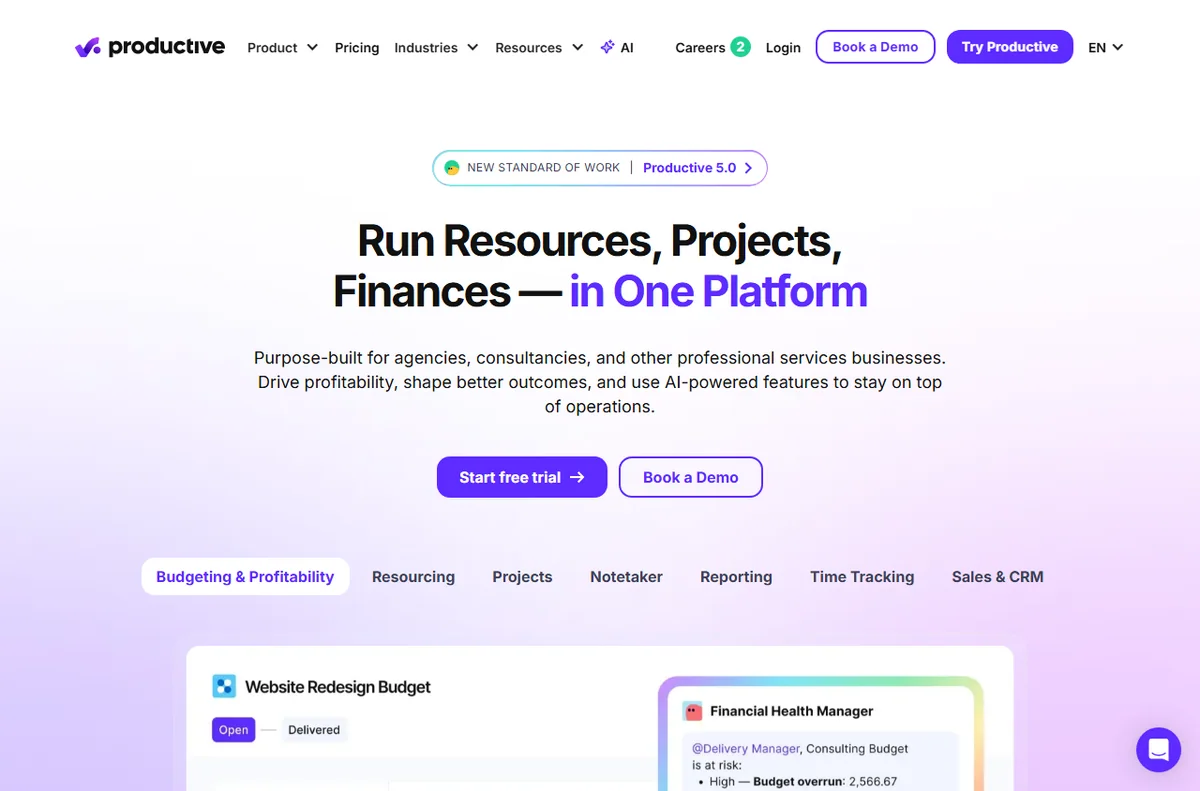
| Productive | Agencies tracking utilization and profit | From ~$24/user/mo |
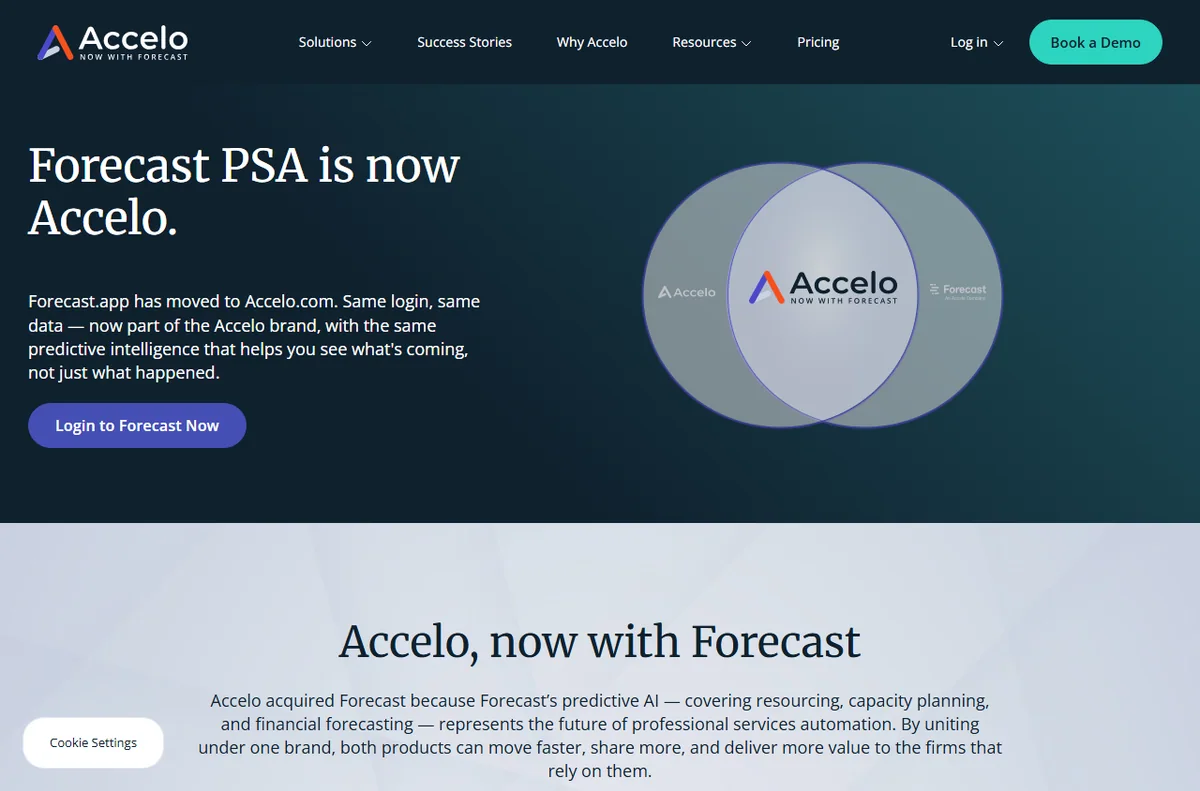
| Accelo | Service businesses running retainers | From ~$30/user/mo |
| monday.com | Flexible boards with automations | Free tier; from ~$9/seat/mo |
What agency management software actually does
At its core, agency management software connects the work to the money. Tasks and projects hold the deliverables, timesheets record the hours, budgets track the spend against a client’s fee, and the system rolls all of it into an invoice. When those functions are integrated, a project manager can see at a glance whether a retainer is ahead or underwater.
Standalone tools solve one piece well, but the value of an agency platform is the linkage. Time logged against a task flows into a budget that flows into a report, so nobody has to reconcile three systems to answer a simple question about margin.

Time tracking, budgets, and profitability
For agencies, profit lives or dies on utilization and scope creep. Good tools separate billable from non-billable time, compare actual hours against an estimate, and warn you when a fixed-fee project is drifting past its budget. Productive and Accelo put profitability reporting front and center, which suits owners who need to know which clients and services earn their keep.
Look for real-time budget alerts rather than month-end surprises, plus the ability to lock timesheets once approved so invoices do not change after billing.
Resourcing and utilization
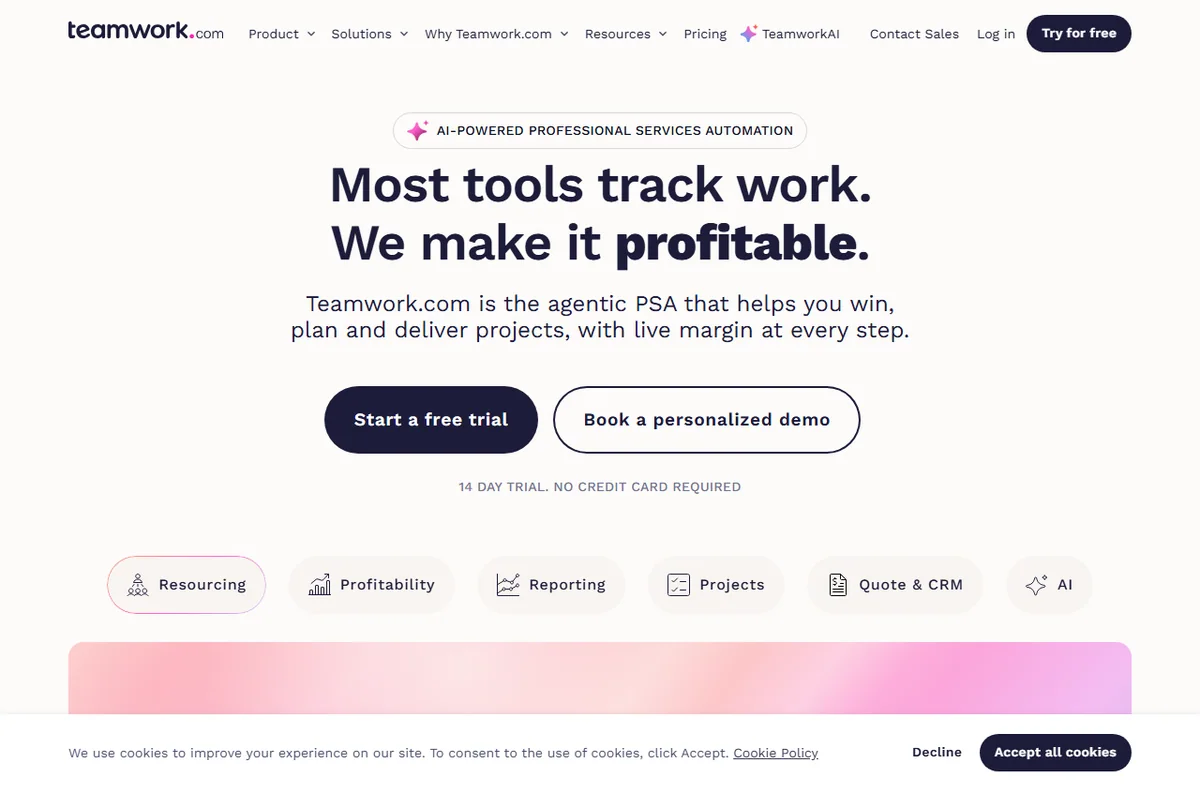
Scheduling is the operational heart of an agency. A resourcing view shows who is booked, who is free, and where a new project will collide with existing commitments. Tools like Teamwork and Scoro offer capacity views that help managers avoid both burnout and idle benches.
Utilization targets differ by role: billable staff, managers, and new-business time should not be measured the same way. The best platforms let you set targets per team and report against them without manual math.

Client portals, proposals, and billing
Client-facing features reduce email churn. A portal can give clients status updates, shared files, and approvals without granting them access to your internal workspace. Proposal and quote modules let you turn an accepted estimate into a live project and a deposit invoice in a few clicks.
On the billing side, look for recurring retainer invoices, milestone billing, and payment gateway integrations. If you already run accounting software, confirm the platform syncs cleanly rather than creating a second set of books.
How to choose the right platform
Start with how you bill. Hourly and retainer agencies prioritize timesheets, utilization, and recurring invoices; fixed-price studios prioritize estimates, scope tracking, and profitability per project. Then weigh team size, since some tools price per user and admins often need separate licenses.
Trial one tool with a live project before committing, and check migration and export options so your data is never trapped. Confirm current pricing directly with each vendor, as plans and inclusions change frequently.
Pros
- Connects time tracking to budgets and invoices in one system
- Utilization and profitability reporting expose unprofitable clients
- Client portals and approvals cut email back-and-forth
- Recurring and milestone billing match agency revenue models
Cons
- Per-user pricing gets expensive as headcount grows
- Full agency suites take real setup time before they pay off
- Specialist features you do not use add cost and clutter
Frequently asked questions
What is the best agency management tool for small agencies?
Teamwork and Productive are common starting points for smaller teams because they combine projects, time tracking, and billing without an enterprise rollout. Function Point and Scoro suit larger shops with more complex finance needs.
Do agencies need time tracking if they bill fixed fees?
Yes. Even on fixed fees, tracking hours reveals the true cost of each project and tells you which services to price higher next time.
Can I use a general project tool like monday.com instead?
You can, and flexible platforms work well for planning. If billing, utilization, and profitability drive your business, a purpose-built agency tool usually saves time by connecting that data automatically.
How do these tools price?
Most charge per user per month, with several requiring a custom quote for higher tiers. Entry rates vary widely, so confirm current figures with each vendor.
Verdict
Pick a platform that mirrors how you bill: utilization-led tools for hourly and retainer work, estimate-led tools for fixed-fee studios. Integrate time, budget, and invoicing so margin is visible in real time, and trial one live project before you commit.
Read more: project management · time tracking.