Independent analysis. This page may contain affiliate links.
Best Affiliate Tracking Software
Affiliate tracking software records who referred each sale, calculates the commission, and pays partners accurately. Get it wrong and you either overpay, underpay, or lose your best affiliates to a competitor with cleaner reporting. The platforms below span self-hosted tools, SaaS networks, and modern partner ecosystems.
This guide compares them on tracking reliability, payout flexibility, integration depth, and pricing, so you can pick a system that fits both your tech stack and your partner program goals.

Quick comparison table
| Option | Best for | Starting price |
|---|---|---|
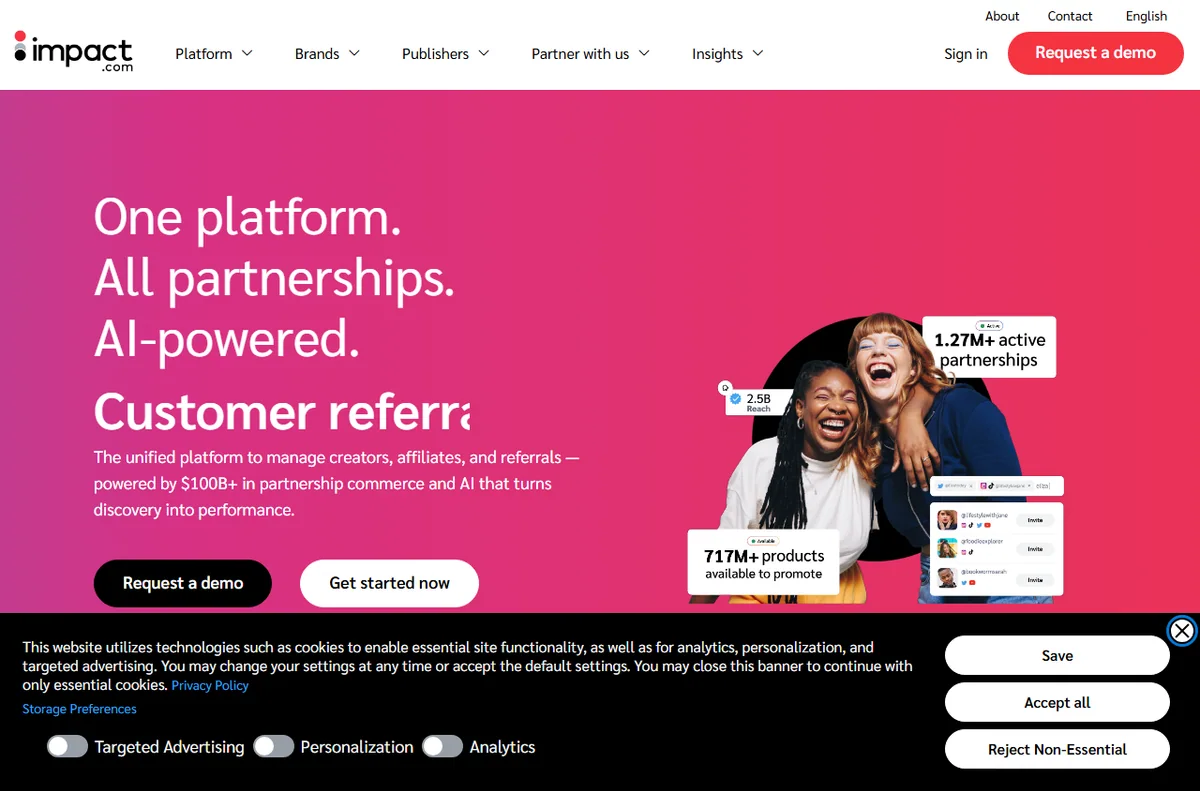
| Impact | Large brands running partner ecosystems | Custom quote |
| PartnerStack | B2B SaaS affiliate and reseller programs | From $499/mo |
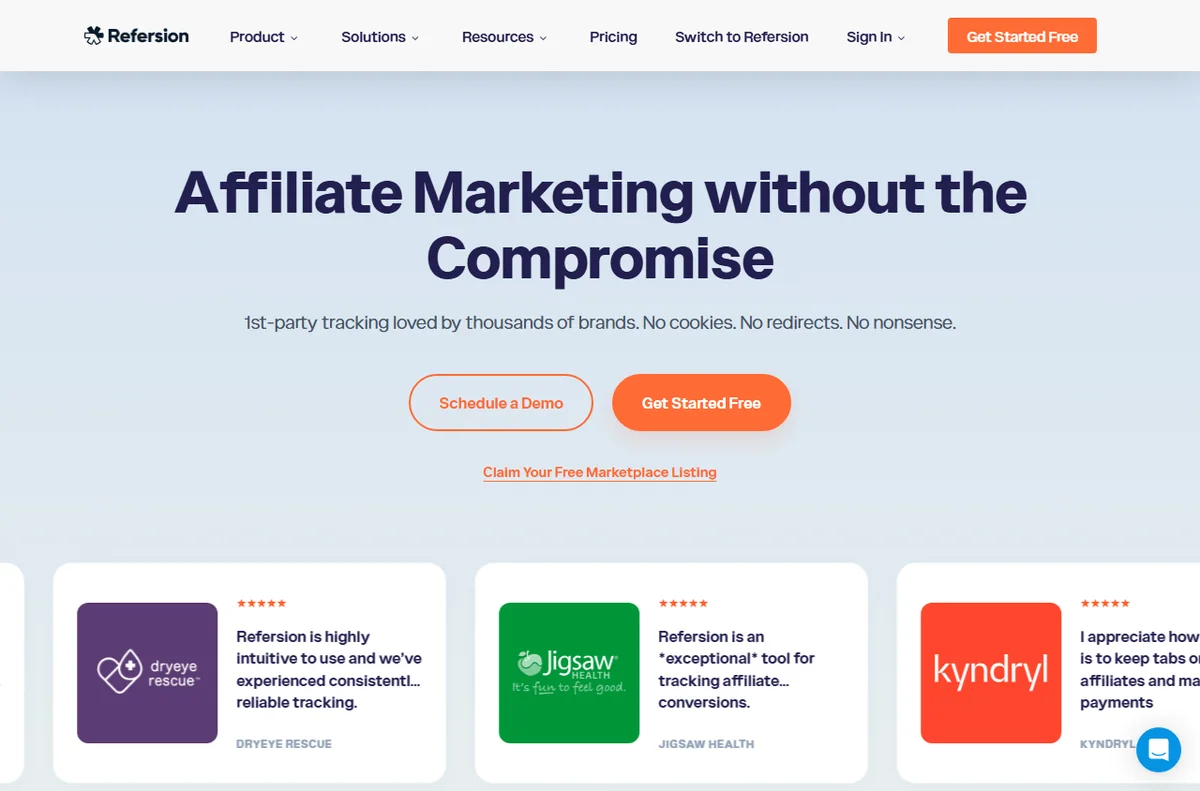
| Refersion | Ecommerce stores on Shopify and BigCommerce | From $99/mo |
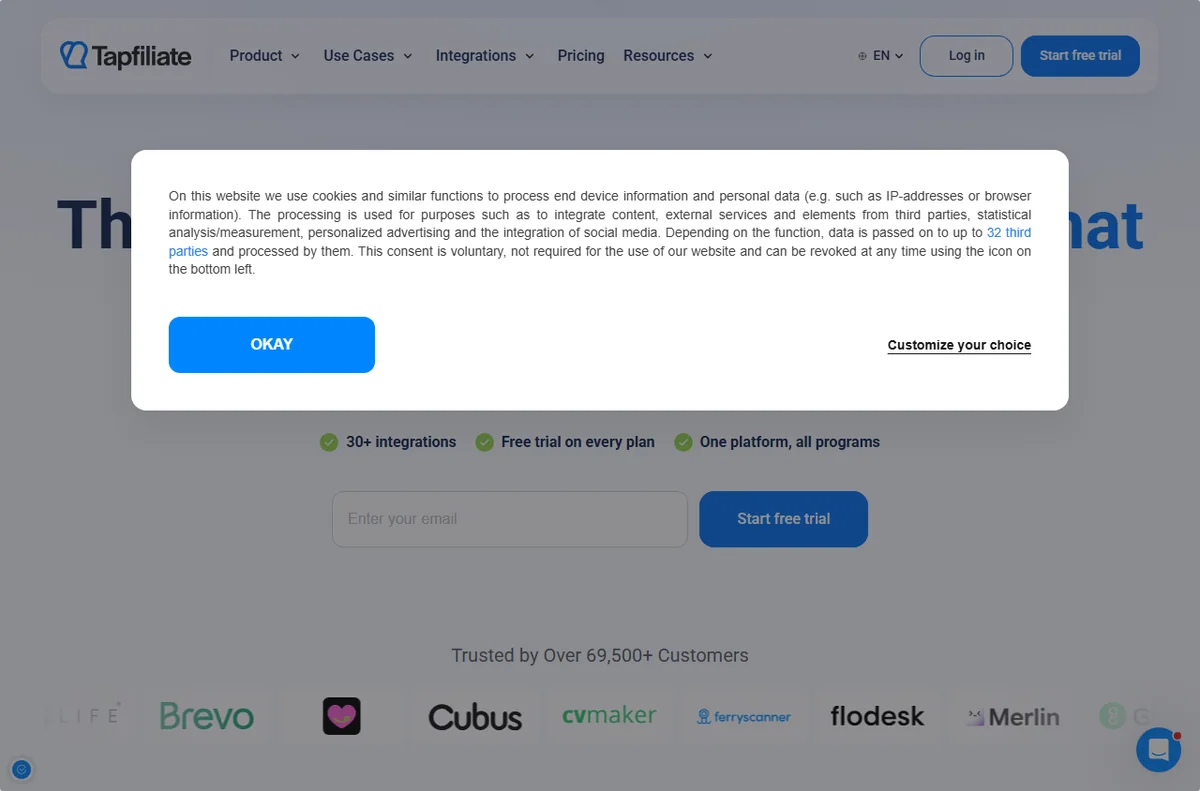
| Tapfiliate | SMBs wanting a simple self-serve setup | From $89/mo |
| Post Affiliate Pro | Self-hosted programs with full data control | From $129/mo |
| ShareASale | Merchants seeking a built-in affiliate network | Setup fee applies |
How affiliate tracking works
Tracking starts with a unique link or coupon tied to a partner. When a visitor clicks, the platform drops a cookie or stores a click ID, then reconciles it with a later purchase. Attribution windows, cross-device tracking, and mobile app conversions are where platforms differ most.
Cookie-based tracking loses accuracy as browsers restrict third-party cookies. Prefer platforms that support server-side tracking or first-party identifiers for durable reporting. Decide your attribution window carefully, because a generous window boosts affiliate goodwill while a tight one reduces abuse. Keep written notes on how each platform attributes mobile and app purchases, because these are the cases that generate disputes.
Networks versus standalone software
A network like ShareASale or Impact brings a marketplace of affiliates who can discover your program and apply to join. Standalone software such as Tapfiliate or Refersion tracks your own recruited partners without introducing you to new ones.
If you have no partners yet, a network accelerates discovery at the cost of fees and less control. If you already have an audience of affiliates, standalone software usually costs less and integrates more cleanly. Many brands run both, using a network for reach and their own tracking for their highest-value partners.

Payouts, commissions, and fraud
Look for flexible commission rules: flat fees, percentages, tiered rates, recurring revenue, and multi-level structures. Post Affiliate Pro and Tapfiliate handle most models, while enterprise tools add partner-specific negotiated terms.
Fraud protection matters as programs grow. Watch for self-referrals, coupon-site abuse, and bot clicks. Set up approval workflows and delay commission confirmation until the return window closes, and review your top earners regularly for patterns that do not look like genuine customers.
Integrations and reporting
Ecommerce platforms live or die on integration. Refersion connects tightly to Shopify, BigCommerce, and WooCommerce, syncing orders automatically. PartnerStack targets SaaS with native Stripe, Recurly, and CRM integrations for subscription tracking.
Reporting should show clicks, conversions, revenue, and refunds per affiliate, and export to your accounting tools. If you cannot reconcile a payout to source data, keep looking. Schedule a monthly reconciliation so discrepancies surface before payouts go out, not after. Export raw click logs periodically, so you own the data if you ever switch vendors.

Pricing models to expect
Costs usually combine a monthly platform fee with a percentage of tracked revenue or a per-order charge. Entry tiers suit small programs; enterprise deals are quoted. Watch for overage fees when affiliate count or tracked sales exceed plan limits.
Self-hosted options remove recurring platform fees but shift hosting, security, and upgrades to your team. Only choose that route if you have the engineering capacity to maintain it. Model total cost across two years, since the cheapest entry plan often stops being cheapest once your program grows. Read the cancellation and data-retention clauses before you sign a multi-year deal.
Pros
- Automated tracking removes manual commission math and reduces payout disputes
- Networks expose your program to affiliates you would never reach on your own
- Flexible commission models support flat, percentage, tiered, and recurring payouts
Cons
- Cookie restrictions keep eroding attribution accuracy across the industry
- Revenue-share and overage fees can make costs hard to predict as programs scale
- Self-hosted platforms put security and upgrade work on your own engineering team
Frequently asked questions
Do I need an affiliate network or standalone software?
Choose a network if you want affiliates to discover and apply to your program. Choose standalone software if you already recruit partners yourself and want lower fees plus tighter integration with your stack.
How are affiliates paid?
Most platforms support PayPal, direct deposit, and store credit, and some integrate with payment providers like Stripe. Self-hosted tools often let you run payouts manually or via an add-on.
How do I prevent affiliate fraud?
Use click and conversion approval workflows, block self-referrals, monitor coupon-site traffic, and hold commission confirmation until refund windows close. No platform eliminates fraud entirely.
Can I track recurring subscription commissions?
Yes. PartnerStack, Impact, and Post Affiliate Pro handle recurring revenue well, which matters for SaaS. Verify the platform reads your billing system’s renewal events.
Verdict
For SaaS programs, PartnerStack and Impact offer the strongest subscription tracking and partner discovery. Ecommerce stores on Shopify or BigCommerce get the fastest path to value with Refersion, while Tapfiliate and Post Affiliate Pro suit teams that want control and predictable pricing. Whichever you choose, plan for server-side tracking now, because cookie-only attribution is a shrinking foundation.
Read more: blog affiliate · affiliate for beginners.