Independent analysis. This page may contain affiliate links.
How to Hire Your First Employee: A Step-by-Step Guide
Hiring your first employee is a milestone that also raises the stakes: payroll, taxes, and legal obligations arrive with the new team member. Getting the process right protects you and sets the hire up to succeed.
This guide walks through the practical steps, from deciding the role to onboarding day.
Quick comparison table
| Where to post | Best for | Starting price |
|---|---|---|
| Indeed | Broad reach across roles | Free to post; pay-per-click |
| LinkedIn Jobs | Professional and salaried roles | Credit-based pricing |
| ZipRecruiter | Fast distribution to many boards | From ~$299/mo |
| Upwork | Contractors and short projects | Posting free; fees apply |
| Local networks | Trusted referrals | Free |
Decide whether to hire an employee or contractor
Before posting a job, confirm you need an employee rather than a freelancer or agency. Contractors handle defined projects with less overhead; employees commit to ongoing hours and give you more control. Misclassifying a worker can bring penalties, so match the arrangement to the actual working relationship.
Define the role and the outcome
Write a job description around outcomes, not a wish list of skills. State what the person will own in their first 90 days, what success looks like, and how the role supports the business. A focused description attracts better candidates and sets clear expectations from day one.
Find and screen candidates
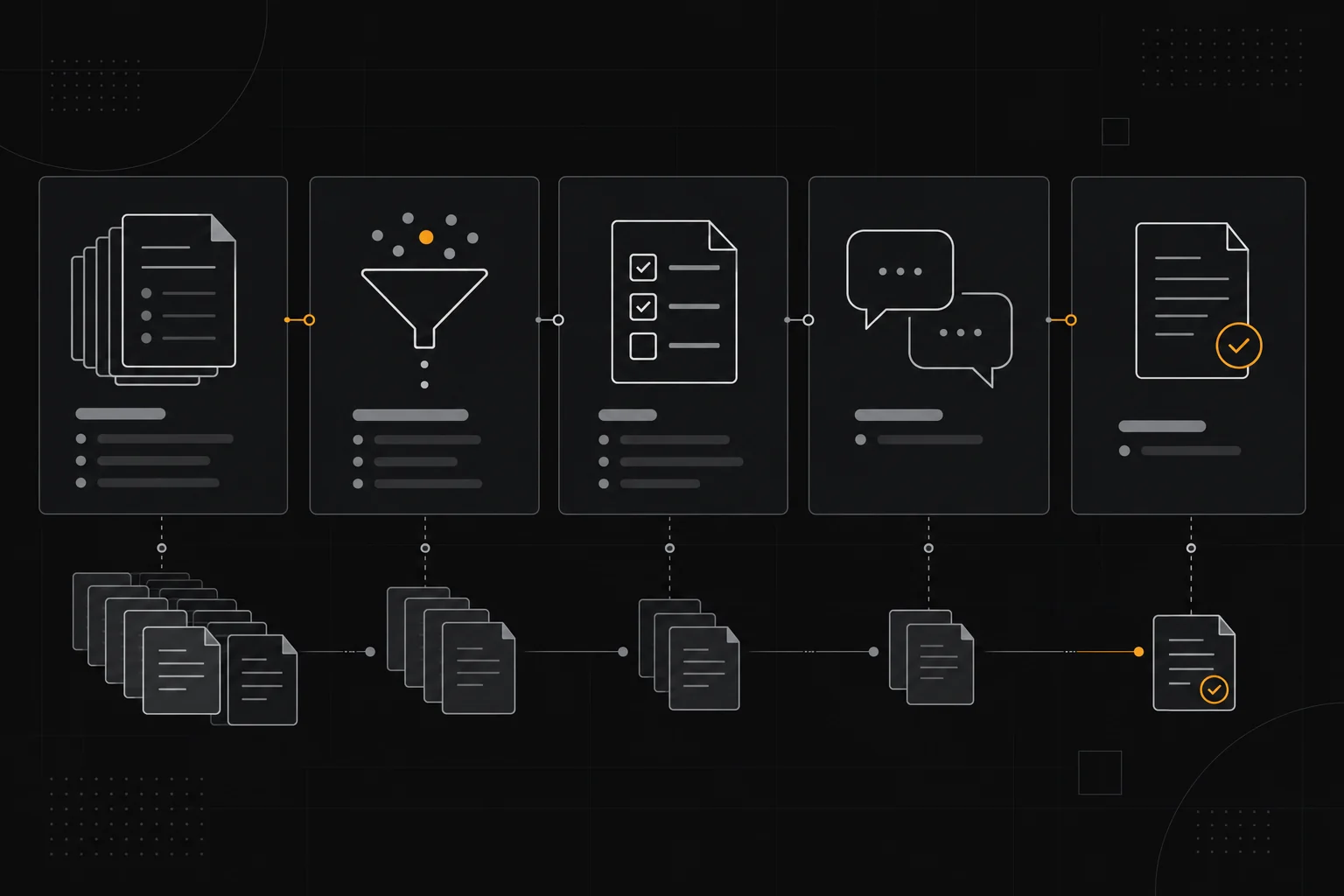
Post where your candidates actually are: general boards for reach, niche communities for specialist roles, and your network for trust. Screen resumes against the core requirements, run a short phone call to confirm fit, then use a structured interview with the same questions for everyone to reduce bias.

Handle the legal and payroll essentials
Register as an employer, obtain an employer identification number where required, and set up payroll withholding and workers’ compensation insurance. Verify eligibility to work, and check whether your state requires new-hire reporting. Getting these basics right up front prevents expensive problems later.
Make an offer and onboard well
Send a written offer stating pay, schedule, and start date, then have the employment agreement reviewed if the terms are complex. Onboarding matters as much as hiring: prepare tools, logins, and a first-week plan, and assign a point person for questions. A structured first 30 days dramatically improves retention.
Pros
- Adds capacity to grow revenue beyond your own hours
- A good hire frees you to focus on higher-value work
- Establishes processes you can scale later
Cons
- Adds payroll, tax, and legal obligations
- A bad hire costs time, money, and team morale
- Requires management time many founders underestimate
Frequently asked questions
What is the first step to hiring an employee?
Confirm the role truly needs an employee rather than a contractor, then write a clear job description focused on outcomes before you post anywhere.
Do I need an employer identification number?
In the US, most employers need an EIN from the IRS to handle payroll and tax reporting. Requirements vary, so confirm the rules for your location.
How do I reduce the risk of a bad hire?
Use structured interviews with consistent questions, check references, and consider a paid trial or probation period to confirm fit.
Verdict
Hiring your first employee is a legal and managerial commitment, not just a recruitment task. Define the outcomes you need, screen deliberately, sort out payroll and classification, and invest in onboarding. Do these well and your first hire becomes a growth engine rather than a liability.
Read more: freelancer toolkit · HR software.