
Independent analysis. This page may contain affiliate links.
Best Ecommerce Personalization Tools
Personalization is how online stores make a big catalog feel small. Instead of showing every shopper the same homepage, personalized stores surface products, offers, and content based on what each visitor browsed, bought, or searched for.
The tools here span search, product recommendations, site testing, and email and SMS personalization. The right stack depends on your store size, your platform, and whether you want a point solution or an enterprise suite.
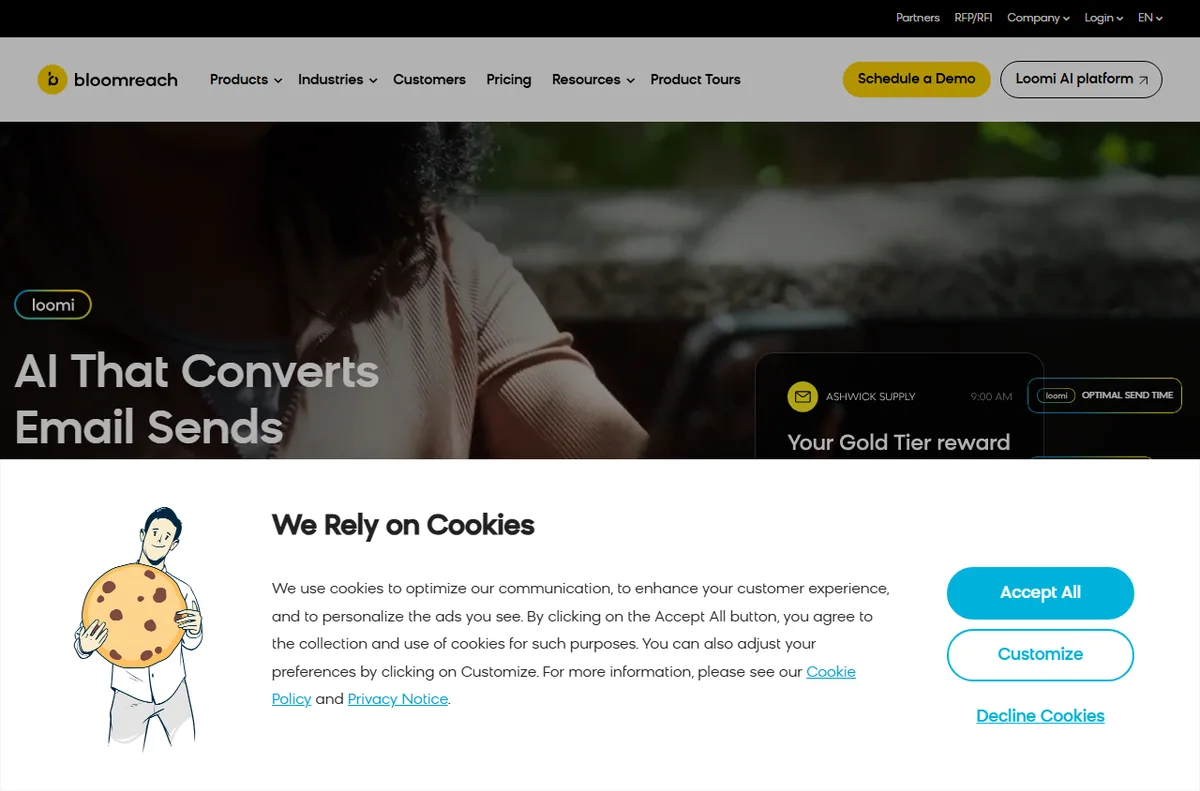
Quick comparison table
| Option | Best for | Starting price |
|---|---|---|
| Bloomreach | Enterprise search and personalization | Custom pricing |
| Dynamic Yield | Enterprise testing and personalization | Custom pricing |
| Nosto | Mid-market product recommendations | Custom pricing |
| Algolia | Fast, personalized site search | Usage-based / from free tier |
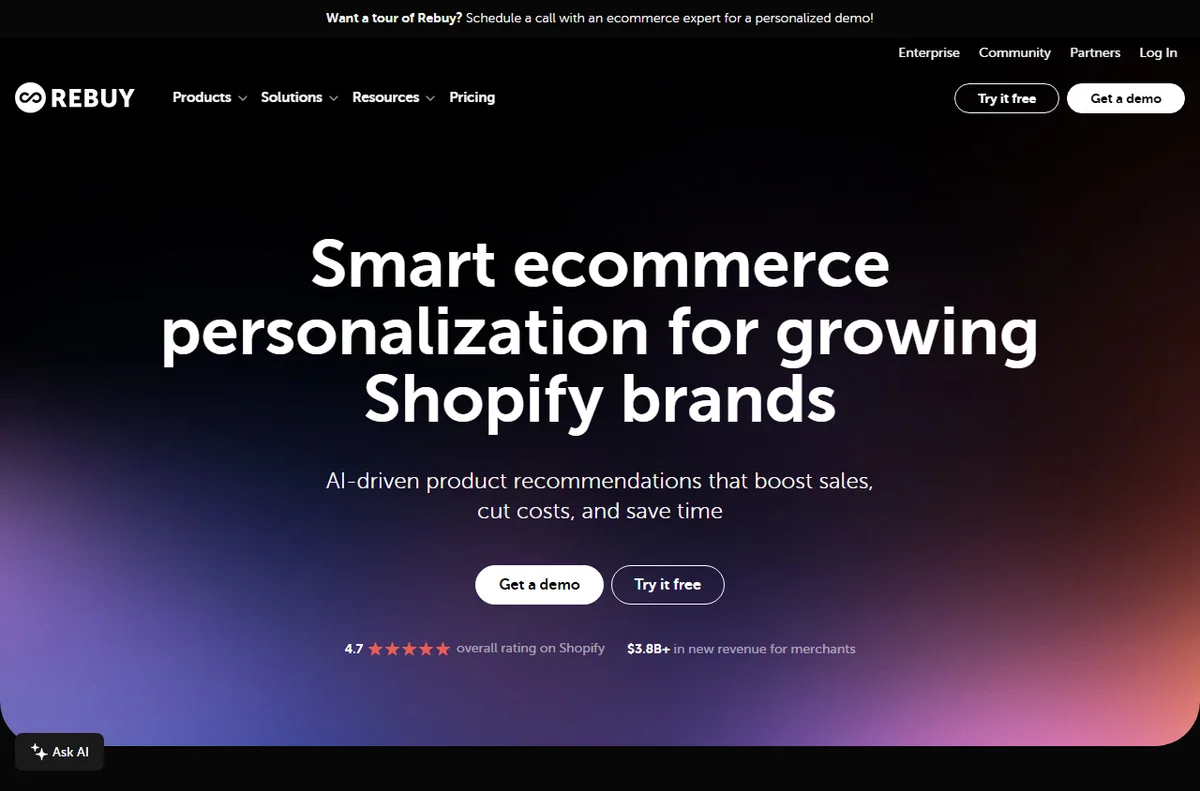
| Rebuy | Shopify upsells and smart bundles | From $99/mo |
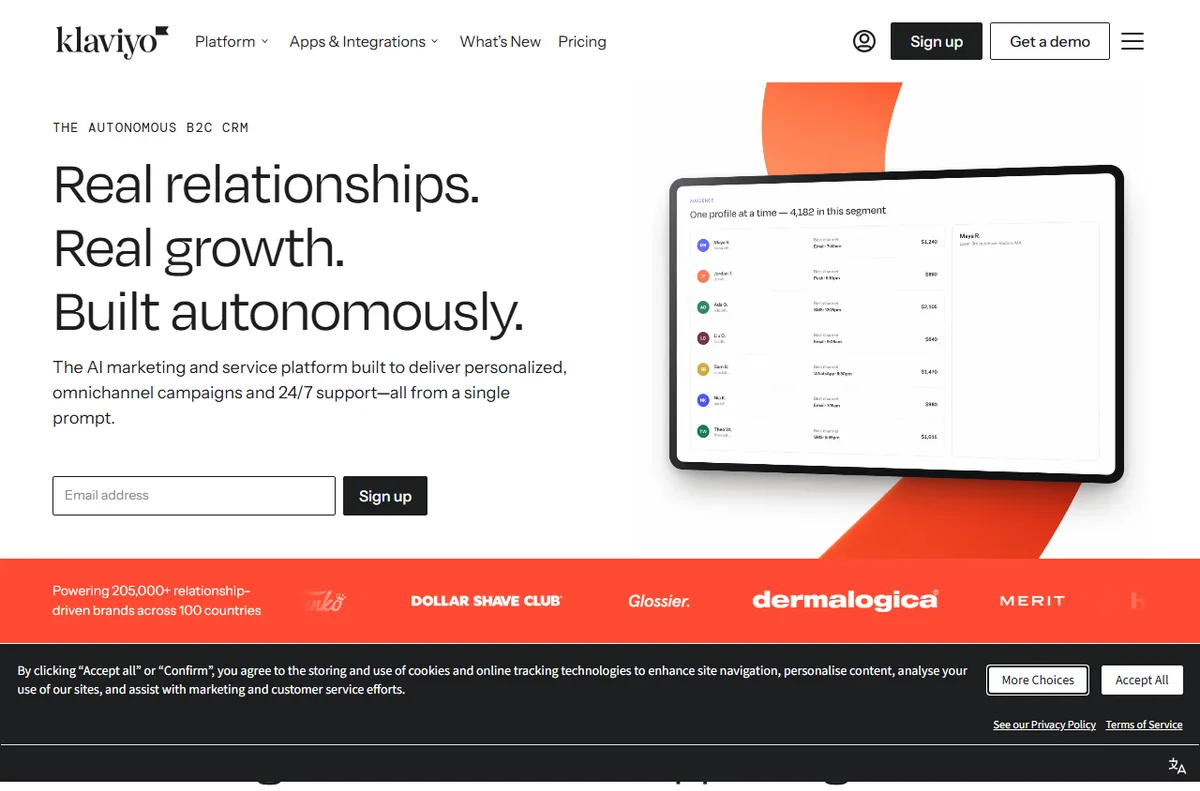
| Klaviyo | Personalized email and SMS by segment | Free / from $45/mo |
What Personalization Actually Does
Personalization shows the right product to the right shopper at the right moment. It powers ‘recommended for you’ carousels, personalized search results, category ordering tuned to browsing history, and emails that reinsert the exact product someone left behind.
The payoff is measurable: higher conversion rates, larger average order values, and better repeat purchase. It also makes cold traffic feel more familiar, which matters when a first-time visitor lands on a deep product page from an ad.
Search and Discovery
Site search is often the highest-intent experience on a store, and poor results quietly cost sales. Algolia delivers fast, relevant, typo-tolerant search with personalization and merchandising controls, and it has an accessible entry point for smaller catalogs.
Bloomreach goes further for large retailers, blending search with merchandising rules, recommendations, and content. If shoppers rely on search to find products, investing here usually beats a homepage widget.
Product Recommendations and Upsells
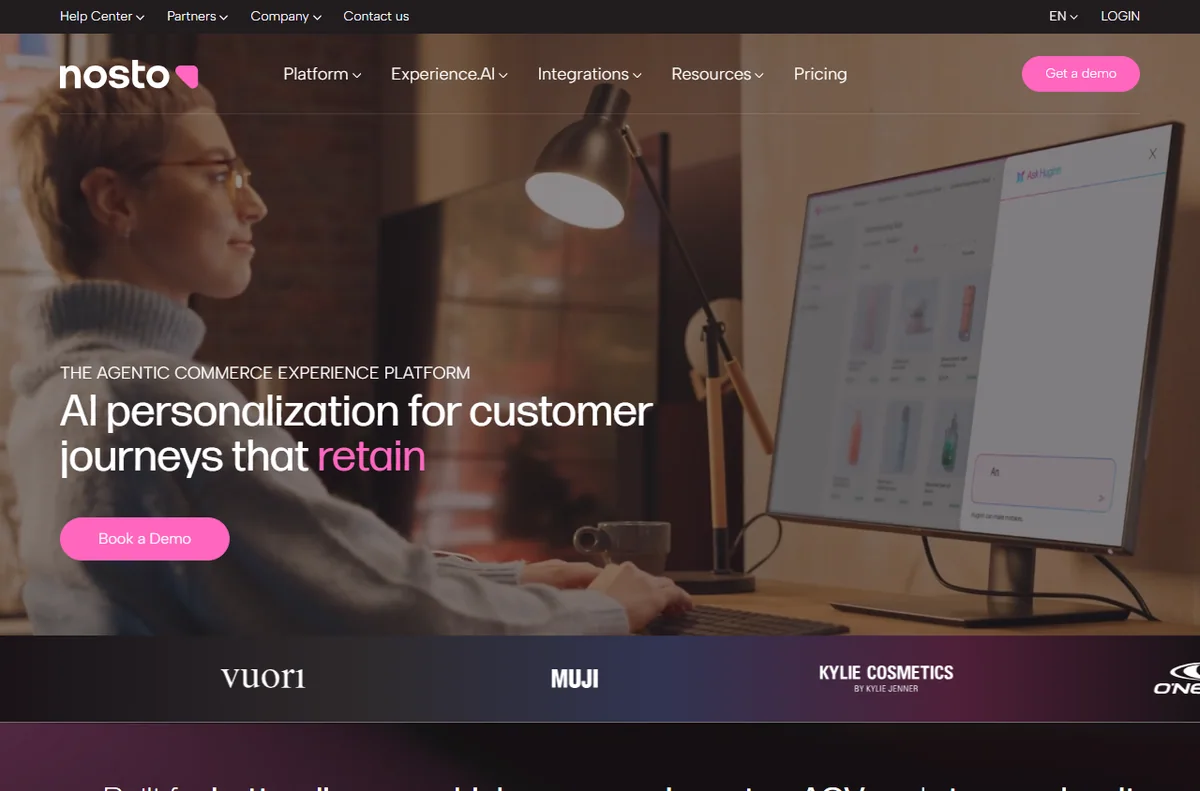
Recommendation engines increase basket size by suggesting related products, frequently bought together, and complementary items. Nosto is a popular mid-market choice with recommendations, search, and segmentation. Rebuy focuses on Shopify stores that want upsells, bundles, and post-purchase offers inside the cart flow.
Start with the placements that matter most: product page, cart, and post-purchase. Track added revenue per placement so you can tell which widget earns its keep, and cut the ones that do not.

Testing and Optimization Suites
Personalization without testing is guesswork. Dynamic Yield lets large teams run A/B tests and serve personalized experiences across the site, then measure lift against control groups. That discipline keeps you from shipping changes that feel clever but do not sell.
Enterprise suites like Bloomreach and Dynamic Yield are powerful but demand clean data feeds and dedicated ownership. Smaller stores rarely need them; a focused recommendation tool plus a solid email platform often delivers most of the gain for a fraction of the cost.
Choosing and Implementing
Match ambition to resources. Small stores should start with search or recommendations on the highest-traffic templates, then add email personalization through Klaviyo or a similar platform they already use. Mid-market stores can layer Nosto or Rebuy onto their existing stack.
Implementation quality decides results. Feed the engines accurate catalog and behavior data, define success metrics before launch, and test placements rather than trusting defaults. Personalization rewards iteration, not a one-time install.
Pros
- Lifts conversion and average order value with relevant recommendations
- Personalized search helps shoppers find products faster
- Testing tools let you prove lift against a control group
- Scales from focused Shopify apps to enterprise suites
Cons
- Enterprise tools require clean data and dedicated staff
- Custom pricing often means long sales cycles
- Poor recommendations can feel intrusive or repetitive
- Costs stack when you combine several point solutions
Frequently asked questions
Do small stores need personalization tools?
Small stores benefit most from personalized search and a few recommendation placements, or from email personalization through a platform they already use. Full enterprise suites usually are not worth it until you have meaningful traffic and data.
How much does personalization software cost?
Focused Shopify apps start around $99 per month, usage-based search starts near a free tier, and enterprise platforms like Bloomreach and Dynamic Yield use custom pricing that scales with traffic and features.
Which placements matter most?
Product page recommendations, cart upsells, and post-purchase offers tend to have the clearest impact. Start there, measure added revenue per placement, and expand only where the data supports it.
Can personalization hurt the experience?
It can if recommendations are irrelevant or if it hides navigation shoppers rely on. Keep core browsing intact, avoid aggressive popups, and always test changes against a control group before rolling them out.
Verdict
Match the tool to your size: Algolia for search, Nosto or Rebuy for recommendations, and Klaviyo for email and SMS personalization if you are a growing store. Enterprise shoppers wanting testing and breadth should evaluate Dynamic Yield or Bloomreach. Whatever you choose, start with the highest-traffic placements and let measured lift, not hype, guide the next step.
Read more: increase order value · marketing ecommerce.