
Independent analysis. This page may contain affiliate links.
Email List Building Guide: Tools, Tactics, and Pricing
An email list is the one audience you own outright. Social platforms can throttle your reach or shut an account down overnight, but the contacts in your list stay yours as long as you follow anti-spam rules and keep the list clean and engaged.
This guide covers the tools worth using, what they realistically cost, and the tactics that turn casual visitors into subscribers and then keep those subscribers opening your messages.
Quick comparison table
| Option | Best for | Starting price |
|---|---|---|
| MailerLite | Beginners who want a generous free tier | Free up to 1,000 subscribers |
| Mailchimp | Brands that want a mature all-in-one suite | Free up to 500 contacts |
| Kit (ConvertKit) | Creators, bloggers, and newsletter writers | Free up to 10,000 subscribers |
| Beehiiv | Newsletter-first publishers growing via referrals | Free; paid from about $39/mo |
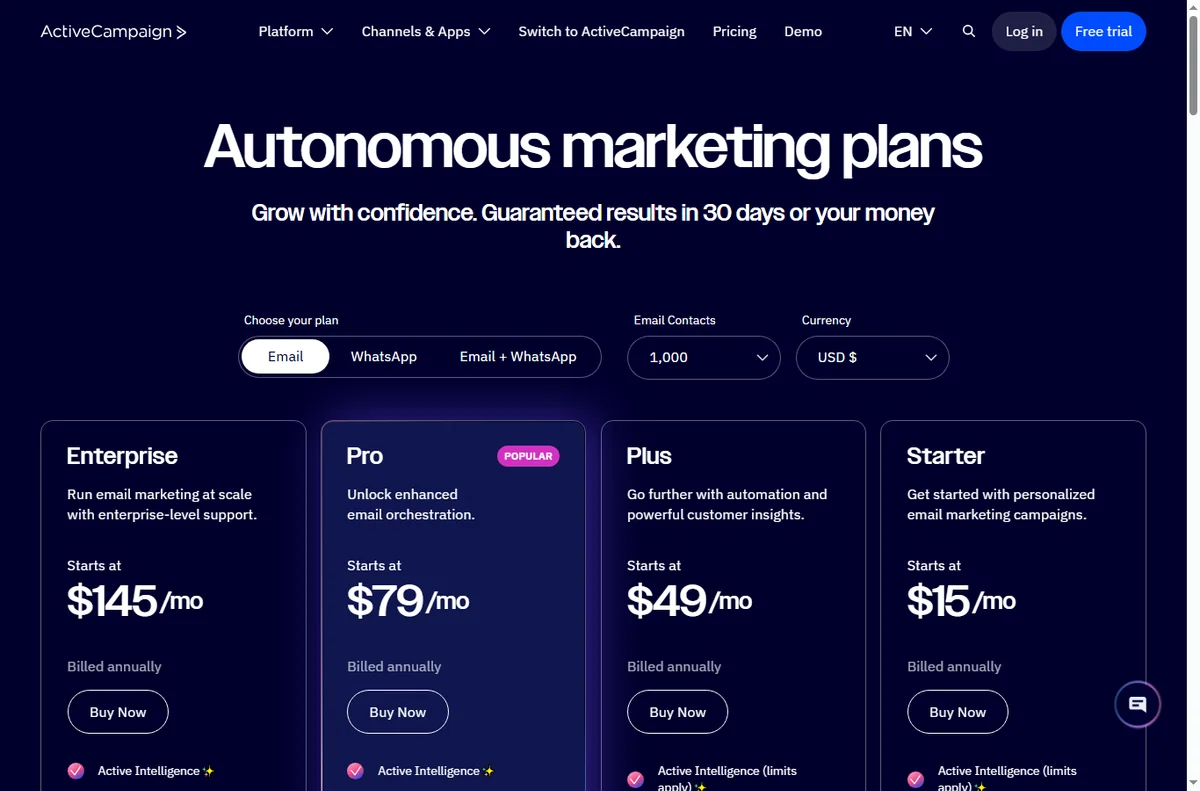
| ActiveCampaign | Small businesses needing deep automation | From about $15/mo |
| Klaviyo | Ecommerce stores, especially on Shopify | Free up to 250 contacts |

Why an Email List Still Beats Social Followers
Email consistently returns more revenue per subscriber than any social channel, because you control delivery and the inbox is where people expect commercial messages. An algorithm change on a social network can cut your reach in half with no notice; your list is unaffected by that.
The tradeoff is responsibility. You must get consent, honor unsubscribes quickly, and keep bounce rates low. Do that and email becomes the most durable marketing asset a small business can build.

Pick the Right Tool for Your Stage
If you are starting from zero, use a free tier so you pay nothing until the list grows. MailerLite and Kit both offer free plans that cover the first thousand subscribers, and Mailchimp’s free tier is fine for a few hundred contacts. Beehiiv is purpose-built for newsletter publishers who want built-in referral growth.
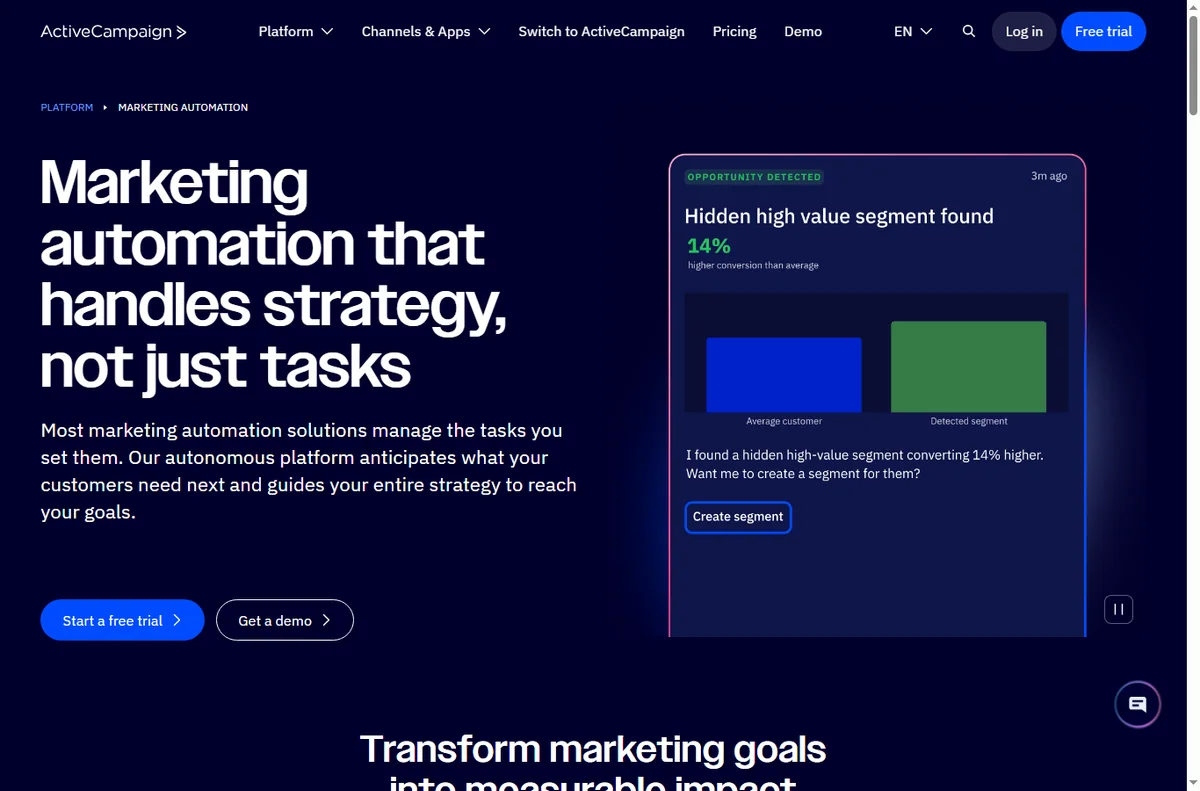
Once you sell physical or digital products at volume, Klaviyo or ActiveCampaign justify their cost through segmentation and behavioral automation. Choose based on the automations you will actually use, not the longest feature list.
High-Converting Opt-In Tactics
A single newsletter signup in the footer converts poorly. Offer something specific in exchange for the address: a checklist, template, discount, or mini-course. Place that offer in a dedicated landing page, a slide-in after a reader is partway down an article, and at the end of high-traffic posts.
Keep the form to email only, or email plus first name. Every extra field lowers conversion. Test the offer before the design: swapping the lead magnet usually moves results more than restyling the button.
Deliverability: Landing in the Inbox, Not Spam
Deliverability is mostly about sender reputation. Set up SPF, DKIM, and DMARC records for your sending domain, send from a consistent address, and never buy or scrape lists. Purchased lists trigger spam complaints that can poison your domain for legitimately interested subscribers.
Warm up slowly, remove hard bounces automatically, and re-engage subscribers who have not opened in several months before deleting them. A smaller engaged list outperforms a large dormant one on every metric that matters to inbox providers.
From Zero to 1,000 Subscribers
The first thousand is the hardest. Guest posting, podcast interviews, and partnerships put your opt-in page in front of audiences that already trust someone else. A free tool or calculator relevant to your niche can pull in search traffic that converts to subscribers for years.
Track where each subscriber came from with UTM tags, then double down on the two or three sources that actually produce engaged readers rather than sheer volume.
Pros
- Email delivers higher revenue per subscriber than social channels you do not control
- Free tiers from MailerLite, Kit, Mailchimp, and Beehiiv let you start at no cost
- Behavioral automation lets you nurture leads without manual effort
- You can export your list, so you are never locked in to one vendor

Cons
- Costs scale with subscriber count, so large lists get expensive
- Deliverability requires technical setup such as SPF, DKIM, and DMARC
- List hygiene and consent rules add ongoing compliance work
Frequently asked questions
Do I need a paid email tool to start?
No. MailerLite, Kit, Mailchimp, and Beehiiv all offer free plans. Start free and upgrade only when you outgrow the contact limit or need automation.
How often should I email a new list?
Weekly is a safe default. Consistency matters more than frequency; subscribers tolerate regular sends far better than sporadic bursts.
Is buying an email list ever okay?
No. Purchased lists violate most provider terms and destroy sender reputation through spam complaints. Build consent-based lists only.
What is a good open rate?
For engaged small-business lists, 25 to 40 percent is healthy. Rates well below 15 percent usually mean deliverability or relevance problems.
Verdict
Start with a free tier from MailerLite or Kit, focus on one strong lead magnet, and invest the early effort in deliverability and consent rather than volume. Upgrade to ActiveCampaign or Klaviyo only when your automation needs and revenue justify the monthly cost.
Read more: email automation · hub email marketing.